

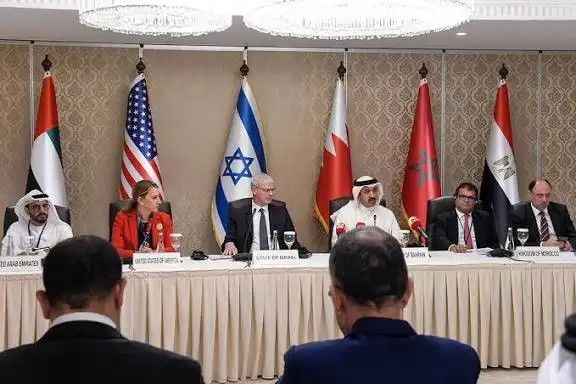
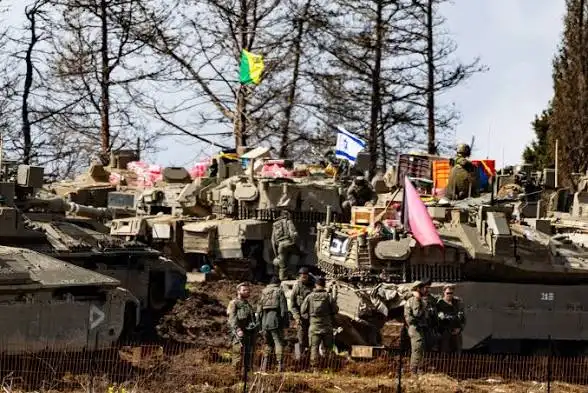
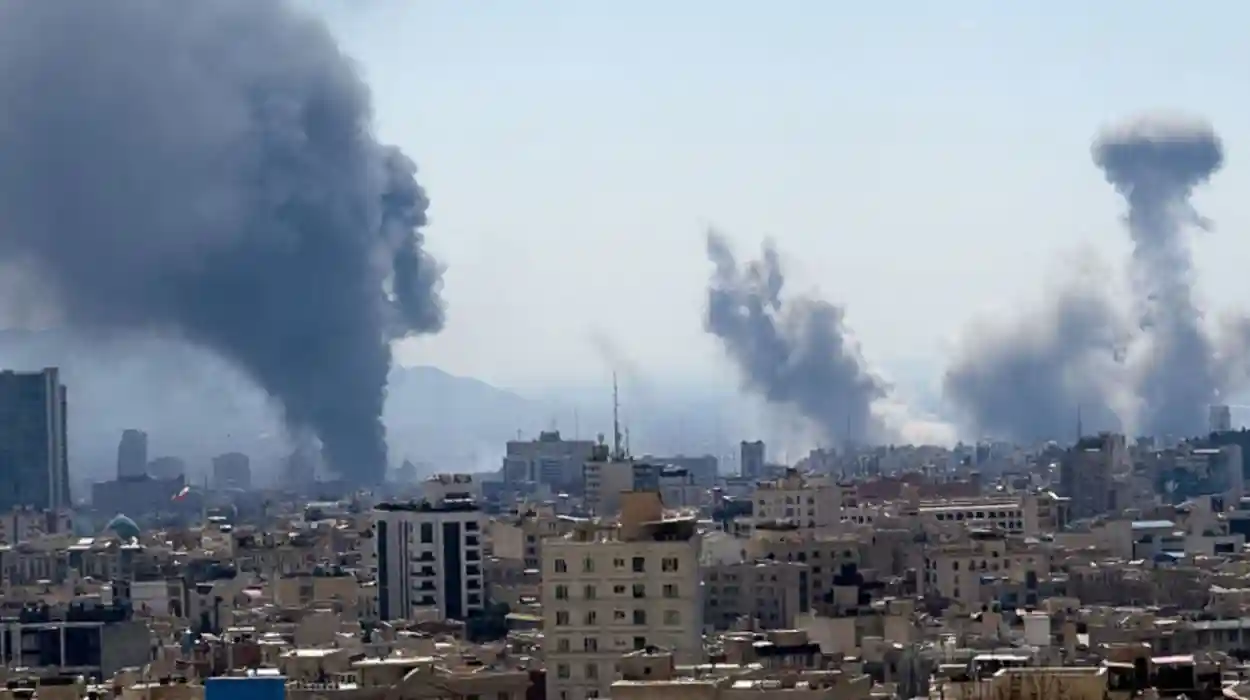
Diplomatic pressure from governments and international organizations is intensifying as leaders across the world call for immediate efforts to reduce tensions in the expanding Middle East conflict. The widening scope of military activity involving several countries has prompted urgent appeals for restraint, with officials warning that continued escalation could lead to a broader regional crisis with far reaching global consequences.
Representatives from multiple nations have urged all parties involved to prioritize dialogue and avoid further military action that could deepen the conflict. Diplomatic statements released in recent days emphasize the importance of maintaining communication channels and supporting international mediation efforts. Officials say that preventing additional s and reducing hostilities is critical to protecting civilian populations and preserving regional ility.

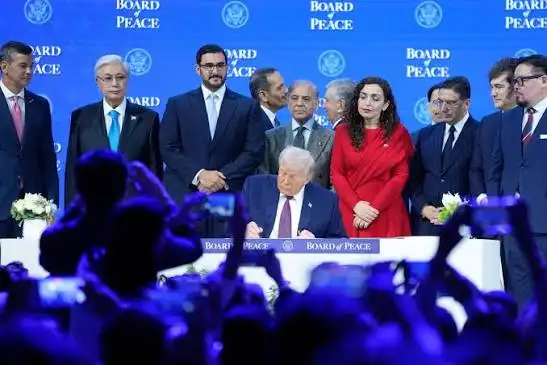
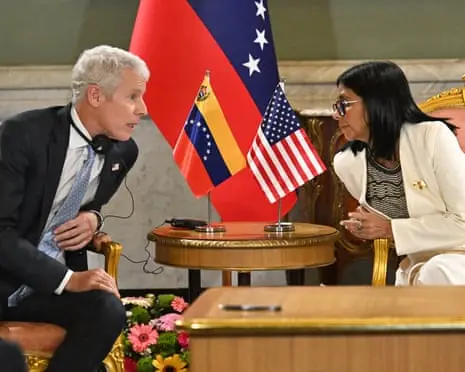
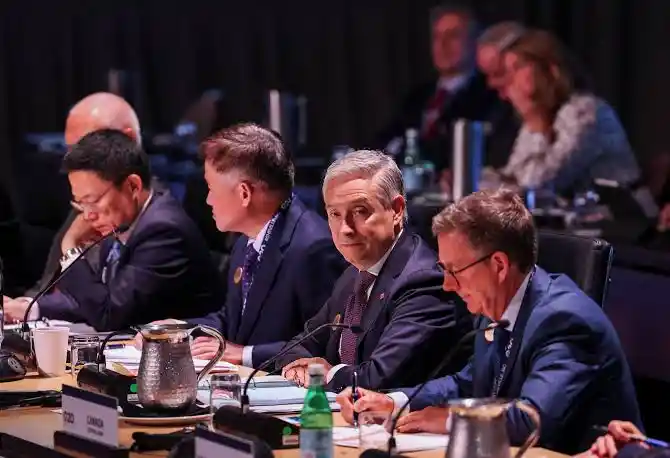
International organizations have also joined the calls for de escalation. Senior diplomats working through global forums have been coordinating consultations aimed at identifying possible steps toward reducing tensions. These discussions involve both regional actors and global powers that have influence over the parties involved in the confrontation. Analysts note that diplomatic engagement during moments of crisis can sometimes help prevent further escalation by creating opportunities for negotiation.
Many governments have expressed concern about the humanitarian risks associated with a prolonged conflict. Civilian communities across the region face the possibility of displacement, infrastructure damage, and shortages of essential services if fighting continues to expand. Aid organizations have warned that even limited military exces can disrupt supply chains and complicate efforts to deliver humanitarian assistance to vulnerable populations.
Economic concerns are also playing a role in the growing diplomatic pressure. The Middle East remains a vital hub for global energy production and international trade routes. Any sustained disruption in the region could affect oil and natural gas supplies as well as maritime shipping corridors used by commercial vessels around the world. Governments and financial institutions are closely monitoring developments as they assess potential impacts on markets and economic ility.
Security experts say that the involvement of missile and drone technology increases the urgency of diplomatic intervention. These weapons allow s to reach distant targets within a short period of time, raising the risk that additional countries could become involved if strikes cross borders or affect strategic infrastructure. Preventing further escalation therefore requires careful coordination among governments and security agencies.
Diplomats involved in the negotiations say that achieving de escalation will require cooperation from all sides. Confidence building measures, temporary ceasefires, and renewed dialogue could form part of a broader strategy to reduce hostilities. However analysts caution that such efforts often face challenges when mistrust between opposing parties remains high.
Despite these difficulties, many leaders continue to emphasize that diplomacy remains the most effective path toward reducing tensions and avoiding a wider war. Governments around the world have reiterated their support for peaceful solutions and have urged all sides to consider the long term consequences of continued confrontation.
As the situation continues to evolve, diplomatic initiatives are expected to remain a central focus of international efforts to ilize the region. Observers say the coming days will be crucial in determining whether sustained diplomatic pressure can help prevent the conflict from expanding further and threatening broader global security.












Leave a comment