

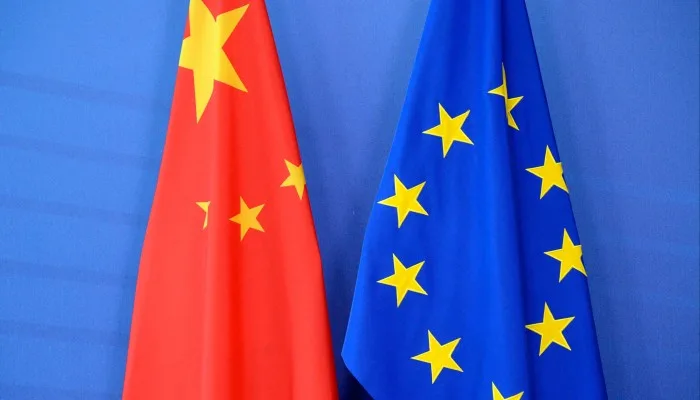
Major economic and security realignments are reshaping the global landscape as Central European nations turn toward China for economic partnerships while the United States deepens military ties with key Asian allies. The dual developments highlight how traditional Western alliances are adapting to new geopolitical realities in 2026.
Central European countries are increasingly looking to Beijing as a buffer against economic turbulence from Germany’s struggling economy. The region hopes Chinese investment and trade relationships can cushion the impact of what economists are calling “China Shock 2.0,” marking a significant shift in economic orientation away from traditional dependence on German industrial strength.
Meanwhile, Washington approved a potential $125 million sale of advanced AIM-9X Sidewinder Block II air-to-air missiles to South Korea, reinforcing security commitments in the Indo-Pacific region. The State Department authorized 103 tactical missiles and 10 guidance units along with supporting equipment, pending congressional review. Officials emphasized the sale would enhance South Korea’s air defense capabilities and ensure continued interoperability with American forces.
These parallel developments underscore the fragmentation of post-Cold War alliances. As economic pressures push European nations eastward and security concerns strengthen Pacific partnerships, the international order continues evolving toward a more multipolar configuration with profound implications for trade, defense, and diplomatic relations worldwide.




















Leave a comment