

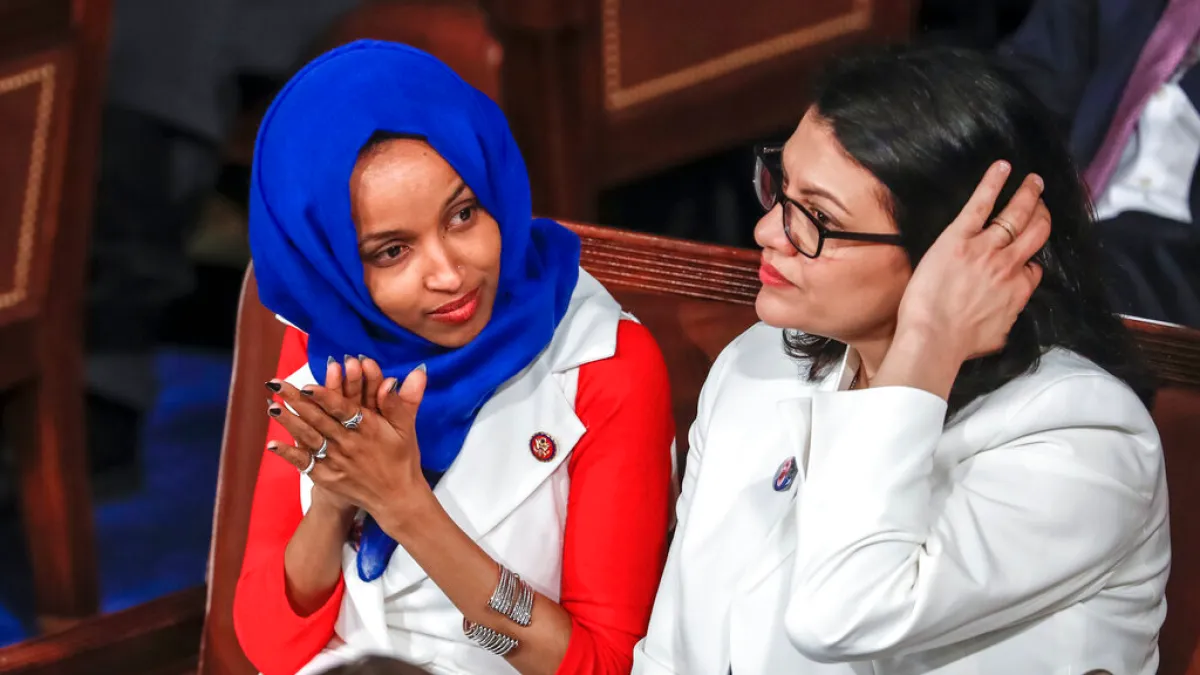
The sound of the Islamic call to prayer now echoes across several American cities, from Hamtramck, Michigan to Paterson, New Jersey, marking a visible transformation in these communities. As Muslim American participation in political life accelerates, with 228 elected officials now serving across 26 states, local governments are beginning to reflect the cultural priorities of these growing populations.
Following in the footsteps of previous immigrant waves, Muslim Americans have gained control or significant influence in several municipalities. Hamtramck now has an all Muslim city council, while nearby Dearborn and parts of New York City have seen substantial Muslim political representation. These officials have implemented ces including Islamic holiday recognition in schools, halal lunch programs, and modified noise ordinances to accommodate religious practices.
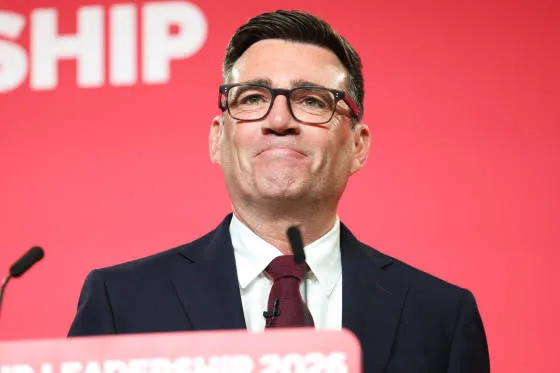
However, this political emergence has sparked concerns among critics who point to several troubling patterns. Some Muslim candidates have received campaign funding from organizations with alleged ties to extremist groups, while others have maintained past associations with individuals convicted of terrorism. Additionally, elected officials in cities like Hamtramck face investigation for election fraud, and questions have arisen about the protection of fraud networks in Minneapolis.
As Muslim American political engagement continues expanding, observers emphasize the need for careful scrutiny of foreign influence, campaign finance sources, and commitment to constitutional principles that separate religious law from civil governance.










Leave a comment