


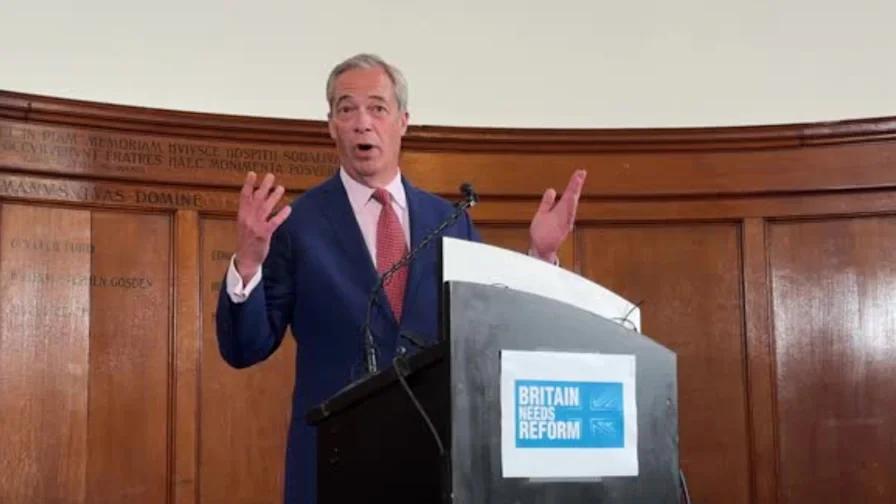
Andy Burnham, the charismatic mayor of Greater Manchester known affectionately as the ‘King of the North,’ has positioned himself as the politician who can rescue the Labour Party from fracture and fend off the populist challenge mounted by Nigel Farage and his Reform UK movement. His conviction rests on a belief that Britain can avoid the polarizing trajectory of American politics if Labour reconnects with working class voters who feel abandoned by Westminster’s political elishment.
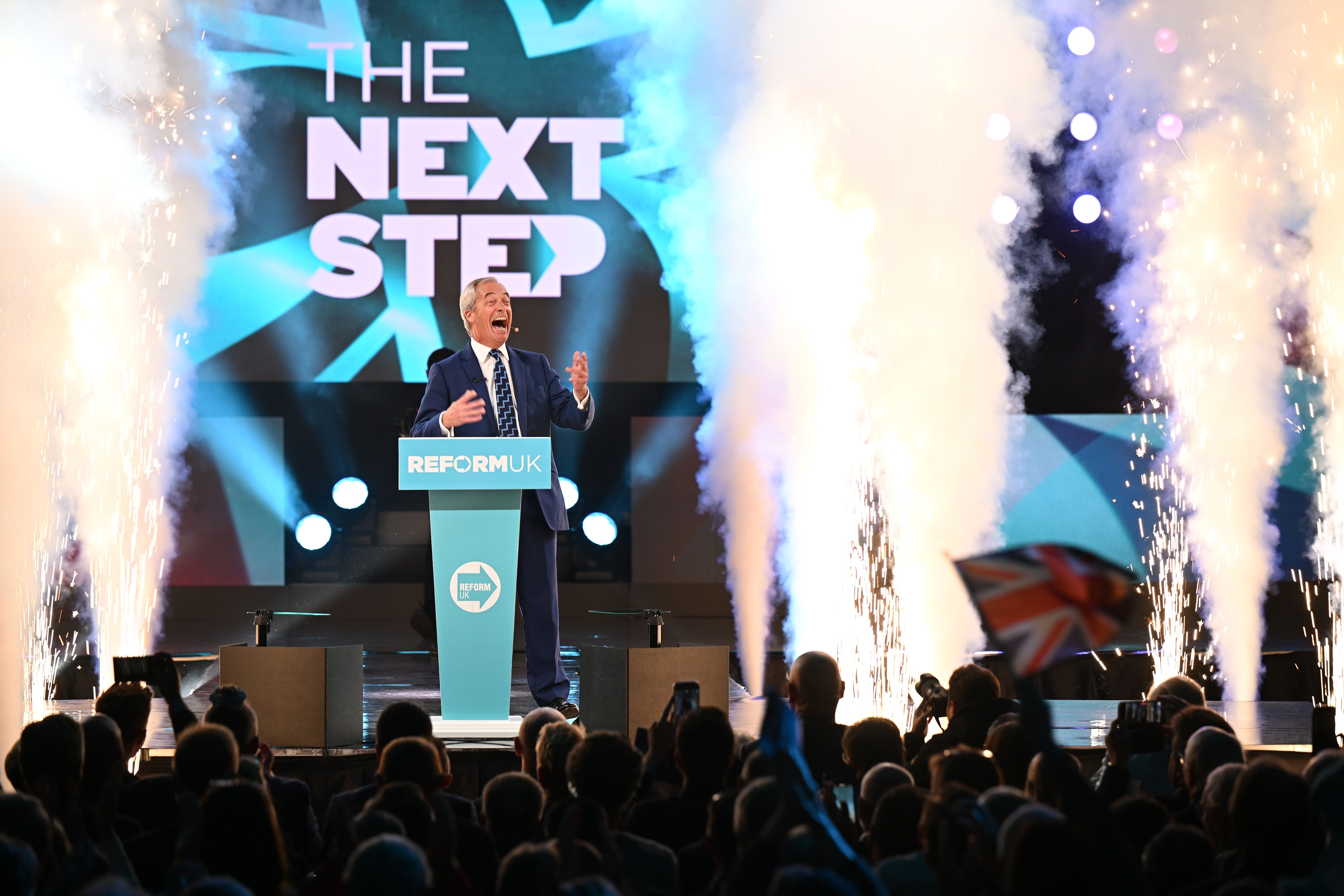
Burnham’s confidence comes at a critical juncture for British politics. Reform UK has been steadily chipping away at traditional Labour strongholds in northern England, exploiting grievances over immigration, economic decline, and a perception that mainstream parties have lost touch with ordinary citizens. Farage, a veteran disruptor of the British political landscape, has positioned Reform as the natural home for voters disillusioned with both major parties. Labour’s challenge is not merely electoral arithmetic but existential: can a party historically rooted in the working class reclaim its identity before populist forces permanently reshape the political map?
Burnham’s tenure in Manchester has given him a platform to demonstrate an alternative approach. He has combined pragmatic governance with populist communication ss, championing local causes like transport improvements and workers’ rights while maintaining an accessible public persona. His willingness to challenge national government policies, regardless of which party holds power, has earned him credibility among voters who see Westminster politicians as remote and self-serving. That reputation for authenticity, rare in contemporary British politics, forms the foundation of his belief that he can succeed where others have struggled.
Yet skeptics point out that regional popularity does not automatically translate into national leadership. Burnham’s previous attempts to lead Labour, most notably his unsuccessful bid for party leadership in 2015, demonstrated the difficulty of building a coalition broad enough to satisfy both traditional supporters and newer progressive activists. Britain’s political landscape has only grown more fragmented since then, with Brexit realigning traditional loyalties and creating new fault lines that cut across conventional left and right divisions. Whether Burnham’s northern base provides a springboard or a ceiling remains an open question.
The comparison to American political dysfunction resonates deeply in Britain, where political debate has grown increasingly acrimonious and polarized in recent years. Many observers worry that social media amplification, culture war conflicts, and the erosion of shared civic institutions are pushing British democracy down a path already well worn in the United States. Burnham’s pitch is that a return to bread and butter politics, focused on material improvements in people’s lives rather than symbolic battles, can arrest this decline. His argument finds support among political scientists who note that populist movements often flourish when mainstream parties fail to address concrete economic anxieties.
Whether Burnham gets the opportunity to test his theory on a national stage depends on variables beyond his control, including Labour’s performance in upcoming elections and the appetite within the party for yet another leadership contest. What seems certain is that the challenge posed by Reform UK will not disappear on its own, and Labour will need figures who can speak credibly to communities feeling left behind by economic and social ce. Burnham’s wager is that his combination of northern grit, administrative competence, and political savvy represents Labour’s best chance to reconnect with its historical base while building a coalition capable of governing. The coming months will reveal whether party members and voters share his confidence or whether British politics continues its drift toward the fragmentation and polarization that has come to define democracies across the Western world.
You May Like
















Leave a comment