

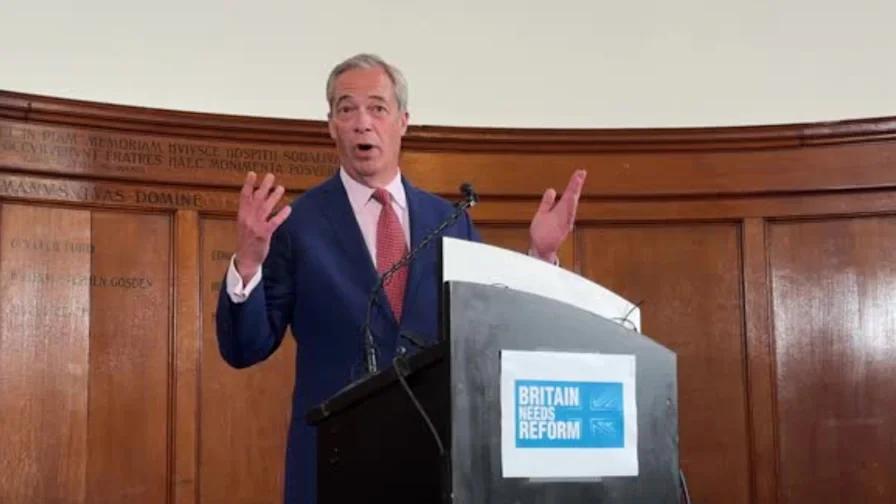
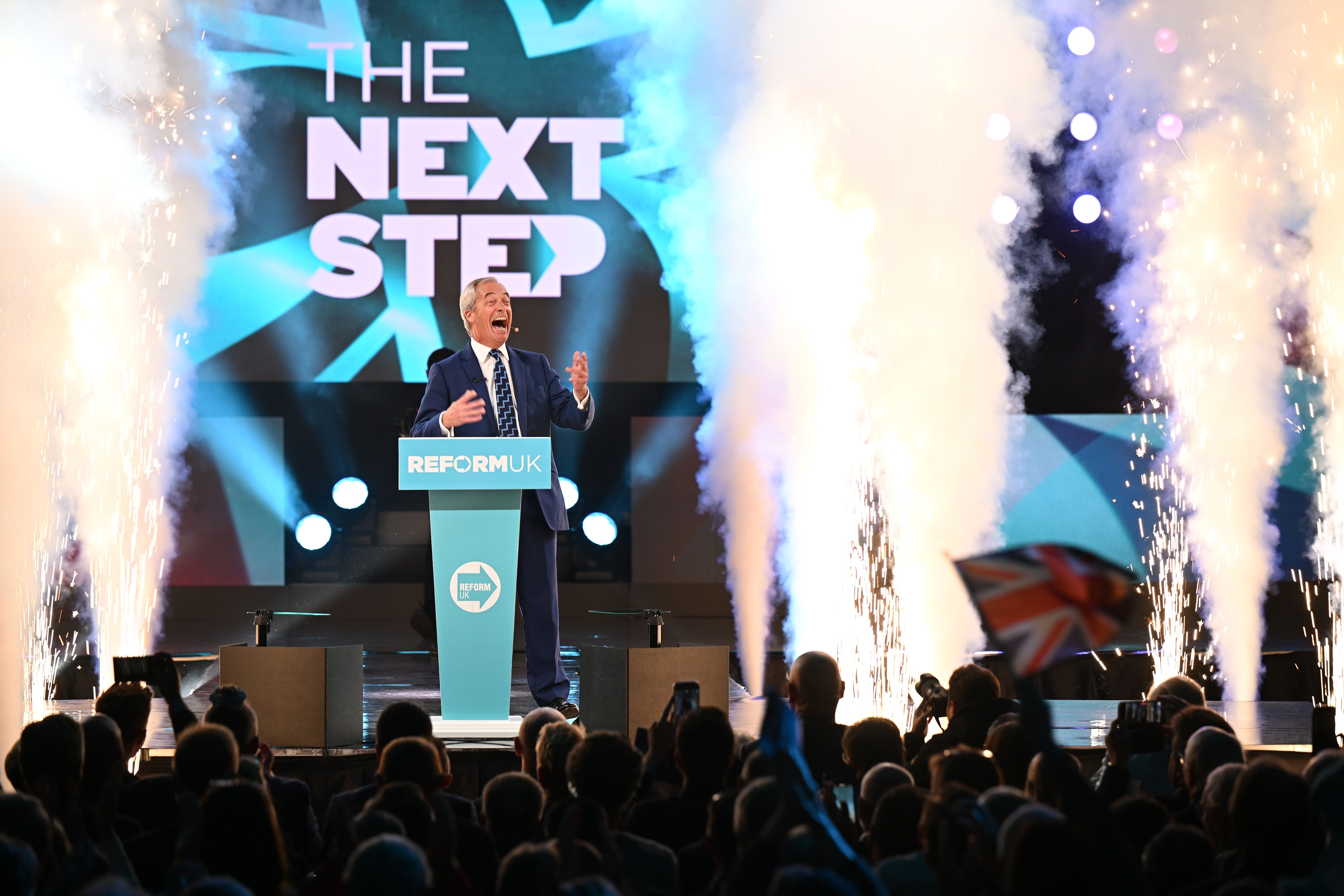
Nigel Farage has thrown British politics into fresh chaos by resigning his parliamentary seat and triggering a byelection in Clacton, a move widely interpreted as an audacious attempt to outmaneuver damaging revelations about his personal finances. The Reform UK leader’s gambit comes as two explosive stories threaten to engulf his political career: a £5 million gift from cryptocurrency billionaire Christopher Harborne and alleged favours from convicted fraudster George Cottrell.
The timing of Farage’s resignation appears calculated to preempt what could have been a devastating recall petition. Parliamentary authorities are still investigating whether the substantial financial gifts should have been declared under ethics rules. Farage maintains the payments were personal in nature and therefore exempt from disclosure requirements, but critics argue such large sums inevitably raise questions about influence and access. If investigators conclude he breached parliamentary standards, he could face censure and a forced byelection anyway. By seizing the initiative now, Farage hopes to control the narrative and present himself as a victim of elishment persecution.
Yet the political landscape has shifted considerably since Farage captured Clacton with a comfortable majority. Reform UK’s momentum has stalled following a series of disappointing byelection results that have undermined the party’s claim to be a government in waiting. Public enthusiasm for the populist insurgency appears to have cooled as voters confront the complexities of governing versus the simplicity of opposition rhetoric. What looked like an unstoppable force last year now faces serious questions about its staying power.
Adding to Farage’s difficulties is the emergence of Restore Britain, a breakaway movement led by former Reform MP Rupert Lowe. Lowe’s departure from Reform was acrimonious, and he will relish the opportunity to challenge his former leader on home turf. The prospect of a splintered right wing vote could transform what should be a safe seat into a genuine contest. Conservative and Labour strategists are already gaming out scenarios where they could slip through the middle of a divided opposition.
Farage’s relationship with George Cottrell presents particularly thorny problems. Cottrell, who served time in a US federal prison for fraud and money laundering, has reportedly provided various forms of support to the Reform leader over several years. While friendship alone is not disqualifying, the nature and extent of any financial arrangements will come under intense scrutiny during the campaign. Opponents will hammer away at questions of judgment and propriety, asking what favours might have been exced and whether voters were entitled to know about these connections.
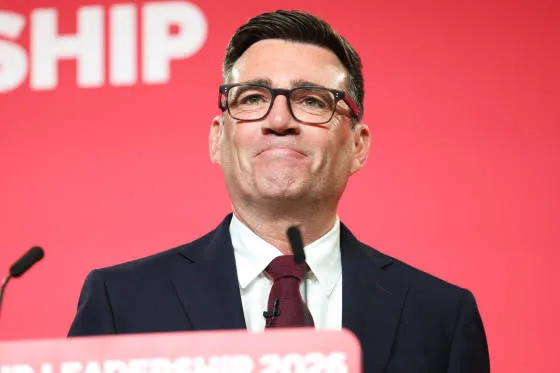
The byelection date remains at Farage’s discretion, giving him tactical flexibility but also forcing a high stakes calculation. A quick vote might capitalize on sympathy from supporters who view the investigations as politically motivated harassment. Delaying too long risks allowing opposition forces to organize and negative stories to accumulate. Meanwhile, Prime Minister Andy Burnham’s new government would prefer to focus public attention on its own agenda rather than hand Farage weeks of dominating headlines. Whether this gamble pays off or marks the beginning of the end for one of Britain’s most polarizing political figures will be answered in the coming weeks.














Leave a comment