

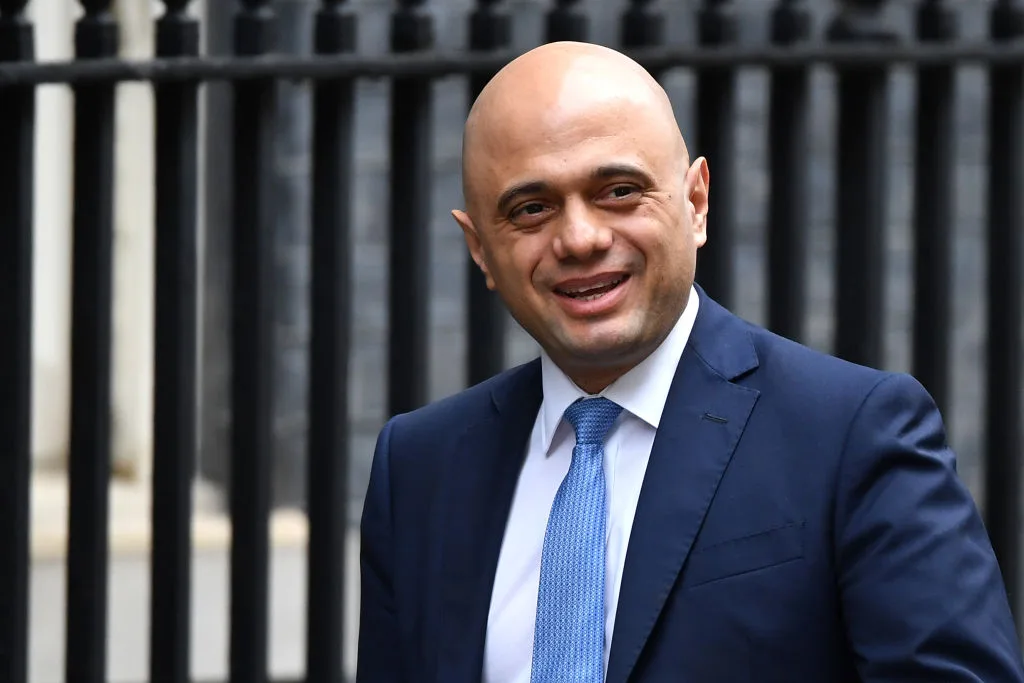
Former Conservative chancellor Sir Sajid Javid has revealed that becoming an MP was the worst financial decision of his career, despite the role paying nearly £100,000 annually. In a candid interview, the former banker turned politician said that while entering parliament was one of his best life decisions, it left him earning less in real terms than when he started his banking career at just 21 years old.
MPs currently take home at least £98,588 per year, a figure that places them well above the UK median full time salary of £39,039 recorded in 2025 by the Office for National Statistics. Yet for someone who spent nearly two decades climbing the ranks of global investment banking, the parliamentary salary represented a precipitous drop. When Javid was first elected as the member for Bromsgrove in 2010, the basic MP salary stood at £65,738, equivalent to approximately £103,000 in today’s money. By contrast, senior managing directors at major investment banks like Deutsche Bank, where Javid served as a board member, are widely understood to earn well over £1 million annually when salaries and bonuses are combined.
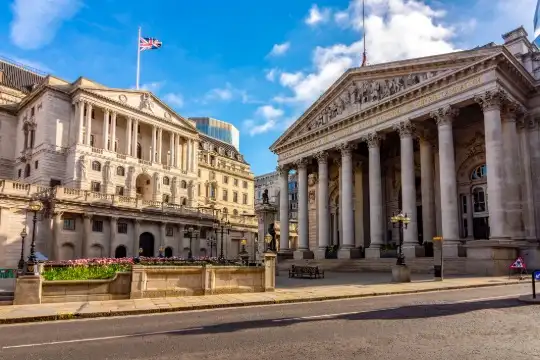
Javid’s journey from finance to Westminster was nothing short of dramatic. After studying economics and politics at the University of Exeter, he joined Chase Manhattan Bank in 1991 and rose rapidly through the organisation, becoming a vice president by age 25 while working primarily in Latin American markets. He later moved to Deutsche Bank, where he ascended to become a senior managing director and board member of Deutsche Bank International. If industry estimates are accurate, his transition to politics likely meant accepting more than a 90% reduction in his earnings, a sacrifice few professionals would contemplate.
Despite the financial cost, Javid insists he has no regrets about the career ce. Speaking about his decision to leave the City for politics, he explained that the ability to improve lives on a large scale made the sacrifice worthwhile. His words reflect a tension familiar to many who move from lucrative private sector roles into public service, where the compensation is measured not in bonuses but in legislative impact and constituent welfare. During his political career, Javid served in several high profile roles including health secretary, home secretary, and chancellor of the exchequer, becoming the first Muslim to hold the home secretary position.
Javid’s current wealth stands in stark contrast to his humble beginnings as the son of Pakistani immigrants. Born in Rochdale in 1969, he spent most of his childhood in Bristol, where his parents ran a small shop and frequently struggled to make ends meet. He has spoken openly about growing up on Stapleton Road, once notoriously labeled Britain’s most dangerous street, and experiencing racism during his youth. In his memoir, he recounted living in cramped accommodation and watching his parents’ financial difficulties before becoming the first member of his family to attend university. His subsequent wealth from banking allowed him to purchase a house for his parents, a gesture that symbolised how far he had travelled from those early days.
Javid’s reflections on the financial realities of political service raise broader questions about who can afford to serve in parliament and whether current salary levels adequately compensate elected representatives for their responsibilities. While nearly £100,000 remains far above average earnings, it may not be sufficient to attract top talent from sectors like finance, law, or technology where compensation packages can reach into seven figures. As parliament continues to grapple with questions about diversity, representation, and the caliber of its membership, Javid’s experience serves as a reminder that the decision to enter politics often requires sacrifices that extend well beyond the campaign trail.
You May Like

















Leave a comment