

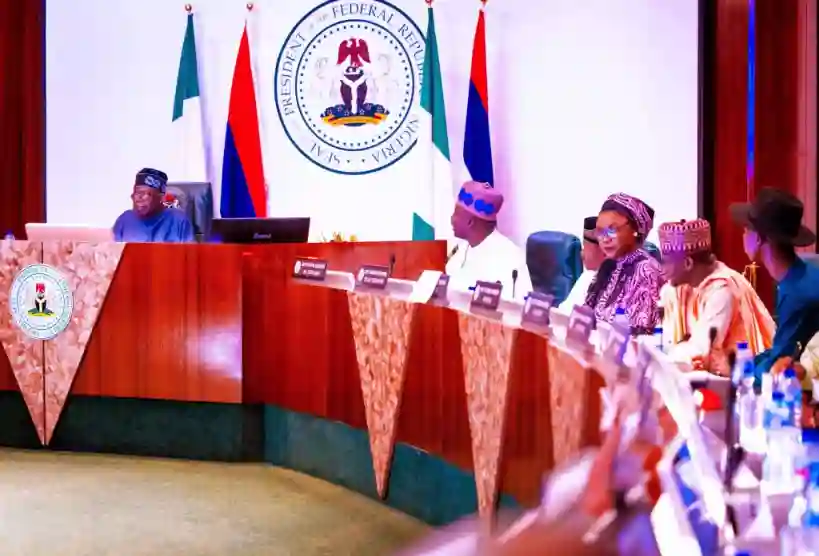
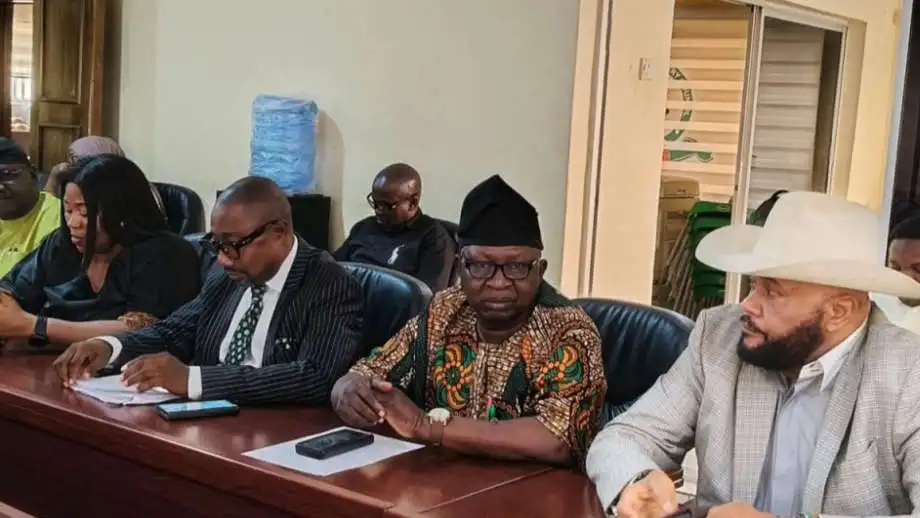
Nigeria’s Federal Government has pledged to deploy comprehensive security measures and combat the growing threat of misinformation to ensure the 2027 general elections are conducted peacefully and credibly. Mohammed Idris, Minister of Information and National Orientation, delivered the commitment on Tuesday in Abuja, emphasizing that electoral integrity depends on far more than what happens at polling stations on election day.
According to Idris, the success of democratic elections hinges on multiple interconnected factors including the security environment, institutional credibility, political actor conduct, media professionalism, and the quality of information reaching citizens. He underscored that under President Bola Tinubu’s administration, the security and welfare of Nigerians remain paramount government responsibilities. The Federal Government will continue mobilizing necessary resources, personnel, and technology to confront terrorism, banditry, kidnapping, and other threats endangering Nigerian lives.

The minister raised particular alarm about the accelerating dangers posed by misinformation and disinformation, especially as rapid advancements in Artificial Intelligence technology make it increasingly feasible to create convincing but entirely fabricated audio recordings, videos, and images. Democracy cannot survive, Idris warned, in environments where citizens face deliberate manipulation and deception. His comments reflect growing international concern about how sophisticated digital fakery could undermine electoral processes worldwide.
Senator Abdul’Aziz Yari Abubakar, former Governor of Zamfara State now representing Zamfara West Senatorial District, argued that addressing insecurity requires collective action extending well beyond security agencies alone. Political leaders, communities, ordinary citizens, and other stakeholders must all contribute their efforts. Drawing on his extensive government experience, Yari noted that insecurity has plagued successive administrations and electoral cycles, cautioning strongly against politicizing these challenges for electoral advantage. He urged Nigerians to unite in confronting security threats and building a safer nation for current and future generations.
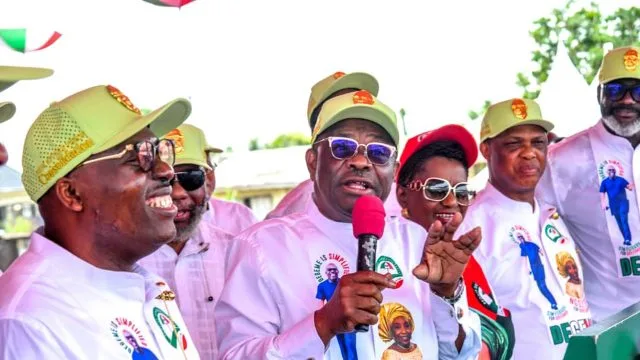
Retired General Christopher Musa, Minister of Defence, through his representative Major General O.T. Akinjobi, outlined how evolving security threats demand a fundamentally broader approach to protecting the 2027 elections. Safeguarding democratic processes can no longer focus merely on protecting polling units and electoral materials, he explained, as emerging dangers now encompass cyber interference, coordinated misinformation campaigns, and systematic attempts to erode public confidence in democratic institutions. Election security, Musa asserted, ultimately means protecting democratic legitimacy itself. He called for intelligence driven security planning, reinforced cybersecurity infrastructure, improved inter agency coordination, strategic communication efforts, and expanded citizen participation.
As Nigeria approaches another pivotal electoral cycle, these official commitments signal recognition that modern election security extends into cyberspace and the information environment as much as physical polling locations. Whether the government can translate these promises into effective action remains the critical question facing Nigerian democracy. With less than a year before campaigns intensify, citizens, civil society organizations, and international observers will scrutinize how authorities balance security imperatives with preserving democratic freedoms and ensuring truly transparent electoral processes that reflect the will of the Nigerian people.











Leave a comment