

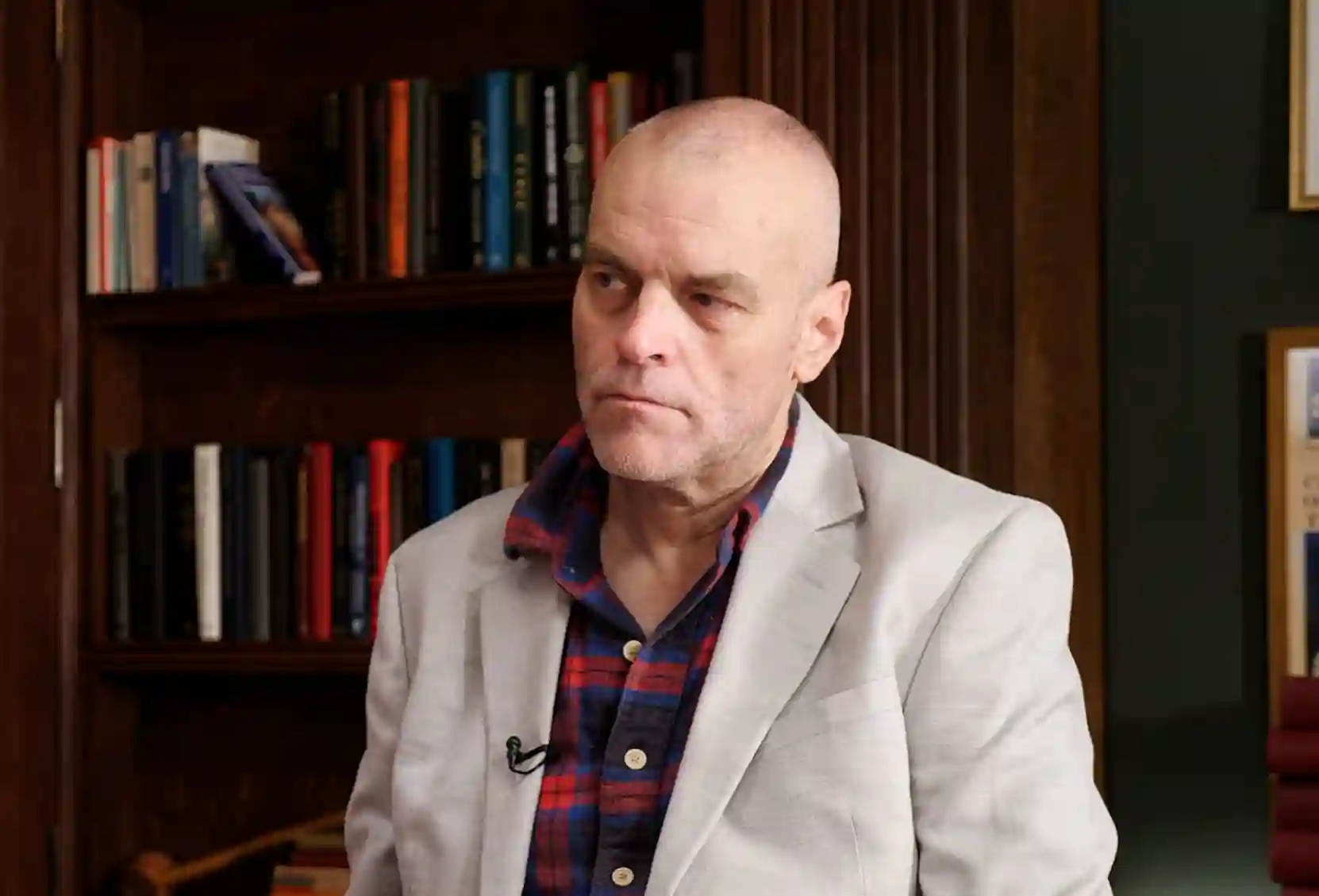

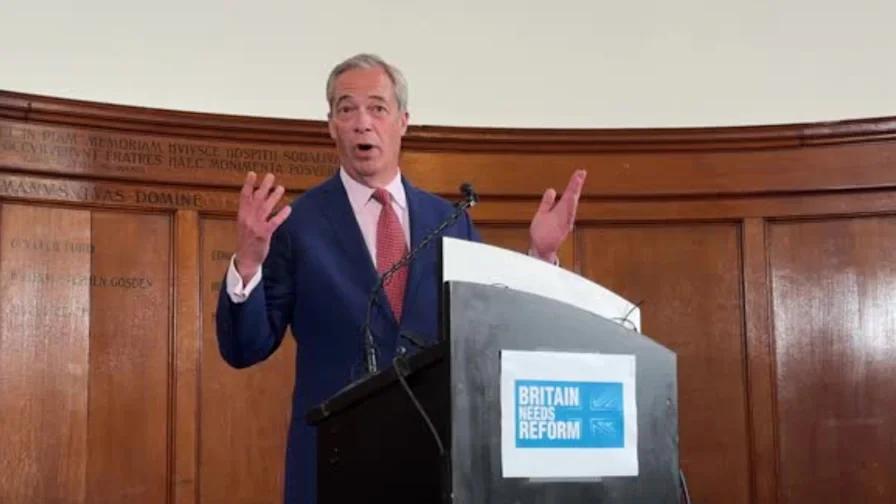
Reform UK has plunged into fresh turmoil after suspending one of its most prominent supporters, Tim Montgomerie, following a bitter public row in which he dismissed party chairman Zia Yusuf as a ‘child’ and appeared to confirm deepening rifts within the leadership.
The suspension marks yet another chapter in the ongoing internal strife that has plagued the right wing political party in recent months, raising serious questions about its ability to maintain unity as it seeks to elish itself as a credible electoral force.
Montgomerie, a well known conservative commentator and former adviser who had thrown his support behind Reform UK, made the controversial remarks during an exce that quickly escalated on social media.
His comments suggested not only personal animosity toward Yusuf but also hinted at broader tensions involving party leader Nigel Farage. When asked whether Farage had ‘fallen out of love’ with Yusuf’s leadership approach, Montgomerie reportedly agreed, a striking admission that exposes the fragile relationships at the heart of Reform UK’s power structure.
Zia Yusuf, a businessman who assumed the role of party chairman amid much fanfare, has faced mounting criticism from various quarters within Reform UK. Some party insiders have questioned his political experience and strategic direction, particularly as the party attempts to translate electoral momentum into sustained parliamentary influence. Yusuf’s defenders, however, argue that such public s undermine party discipline at a critical juncture when unity should be paramount.
The decision to suspend Montgomerie was swift, with Reform UK issuing a statement emphasizing that public criticism of senior party figures would not be tolerated. Party sources indicated that the move was necessary to preserve internal cohesion and demonstrate that no supporter, regardless of their profile or previous contributions, would be exempt from disciplinary action. Yet the suspension itself has sparked debate about whether Reform UK is stifling legitimate internal debate or simply enforcing reasonable standards of collective responsibility.
Political analysts suggest that these internal battles reflect deeper structural challenges facing Reform UK as it transitions from a protest movement into a more elished political entity. Managing diverse personalities, reconciling different strategic visions, and maintaining message discipline have proven difficult for a party built largely on opposition to the mainstream political elishment. Farage himself has remained largely silent on the matter, a reticence that some interpret as strategic ambiguity and others view as reluctance to openly back either side in the dispute.
Looking ahead, Reform UK faces a critical test of its organizational maturity. Whether the party can resolve these internal conflicts without further public acrimony will likely determine its capacity to capitalize on any future electoral opportunities. For now, the suspension of Tim Montgomerie serves as a stark reminder that political movements built on insurgent energy must eventually grapple with the unglamorous work of institutional discipline and leadership coherence. As members and supporters watch closely, the coming weeks will reveal whether Reform UK can move beyond factional disputes to present a united front to voters increasingly weary of political infighting across the spectrum.















Leave a comment