

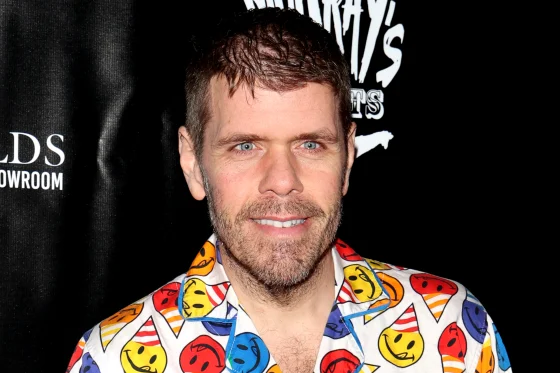

Celebrity blogger Perez Hilton is currently receiving medical care at an undisclosed hospital following a TikTok livestream that alarmed thousands of viewers and prompted immediate concerns about his wellbeing. The incident, which unfolded in real time before a live aunce, has sparked widespread discussion about the pressures facing public figures who maintain constant digital visibility and the mental health challenges that can accompany life in the perpetual spotlight.
Hilton, whose real name is Mario Armando Lavandeira Jr., rose to prominence in the mid 2000s as one of the internet’s first celebrity gossip bloggers. His website became notorious for its unfiltered commentary on Hollywood stars, elishing him as both a influential media figure and a polarizing personality. Over the past two decades, he has evolved alongside the digital landscape, transitioning from traditional blogging to social media platforms where he maintains millions of followers across Instagram, Twitter, and TikTok. His willingness to share intimate details of his personal life has long been part of his brand, though recent events suggest that transparency may come at a significant cost.
Details surrounding the specific medical emergency remain limited as Hilton’s representatives have requested privacy during this difficult time. Witnesses to the livestream reported observing behavior that suggested acute distress, prompting multiple viewers to contact emergency services. The rapid response from both his online community and local authorities underscores how social media has fundamentally altered the relationship between public figures and their aunces, creating scenarios where fans can witness crises unfold in real time and potentially intervene in ways that were impossible in previous eras of celebrity culture.
Mental health professionals have increasingly voiced concerns about the psychological toll of maintaining a constant online presence, particularly for individuals whose careers depend on regular engagement with followers. Social media platforms reward frequency and authenticity, creating pressure to share ever more personal content to sustain aunce interest and algorithmic favor. For personalities like Hilton, whose entire career has been built on revelations and controversy, the line between public persona and private struggle can become dangerously blurred. Experts suggest that the expectation of perpetual availability and performance can exacerbate underlying mental health conditions and create environments where seeking help becomes complicated by professional obligations.
Hilton’s hospitalization comes during a broader cultural reckoning about the human costs of internet fame and the responsibility that platforms bear in protecting users who generate content. While TikTok and similar services have implemented various mental health resources and crisis intervention tools, critics argue these measures remain inadequate given the scale of distress occurring across social networks. Several high profile cases in recent years have demonstrated how quickly online spaces can shift from entertainment venues to sites of genuine medical emergency, raising questions about whether current safety protocols are sufficient to address these evolving challenges.
As Hilton continues his recovery, the incident serves as a sobering reminder that the people behind our screens remain vulnerable human beings despite their carefully curated digital facades. His condition will be closely monitored by both medical professionals and a concerned public that has watched his career evolve over two decades. Whether this episode prompts broader conversations about sustainable approaches to online celebrity or leads to concrete ces in how platforms handle mental health crises remains to be seen, but the urgency of addressing these issues has never been clearer. For now, supporters and critics alike are united in hoping for his swift and complete recovery.
You May Like











Leave a comment