


President Donald Trump dismissed growing concerns about the mental health and wellbeing of American sailors aboard the USS Abraham Lincoln on Friday, declaring that the aircraft carrier’s record breaking deployment of more than 260 days was “not nearly long enough” despite bipartisan alarm from lawmakers and reports of deteriorating conditions at sea.
Speaking to reporters before departing for New York, Trump contradicted assertions that military families have raised concerns about the extended deployment supporting operations against Iran. The president insisted the carrier would soon be replaced by another vessel, though he offered no timeline for the relief. Multiple Democratic senators, including Richard Blumenthal of Connecticut and Ruben Gallego of Arizona, have pressed the Pentagon for answers about conditions aboard the Lincoln, which Defense Secretary Pete Hegseth insisted Thursday were “completely misrepresented.” Hegseth added that American forces could maintain the current blockade of Iranian ports “indefinitely,” signaling no immediate end to operations that have kept thousands of sailors away from their families for nearly nine months.
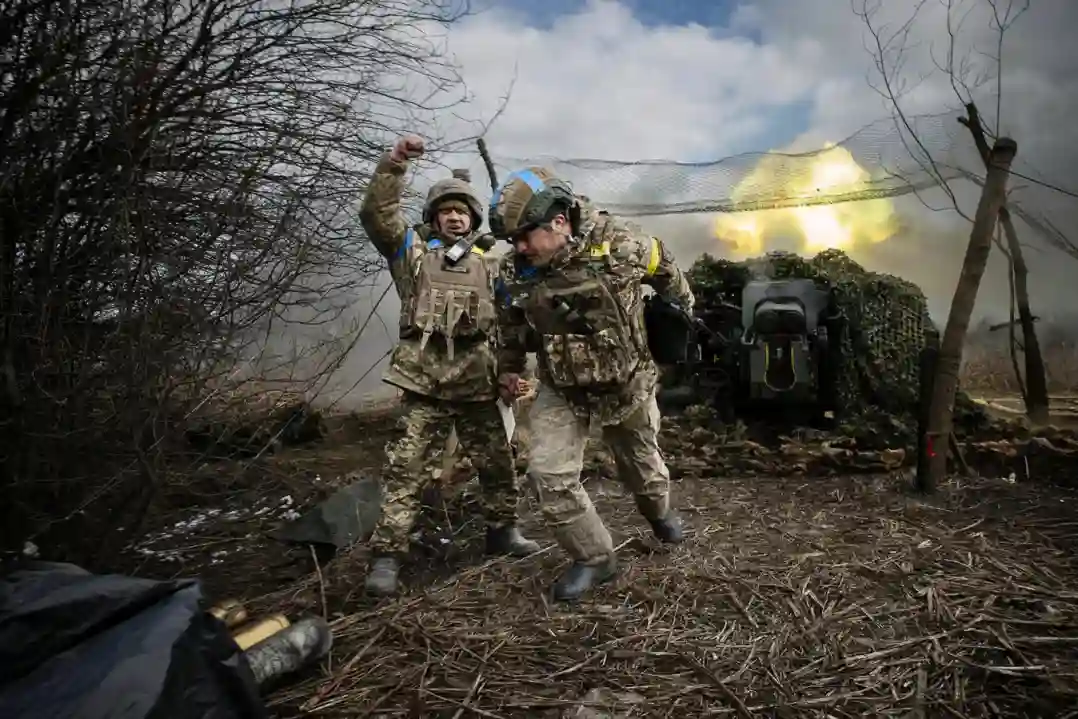
The extended deployment has ignited a political firestorm over military readiness and the human cost of prolonged operations. Representative Jason Crow, a Colorado Democrat who served three combat tours in Iraq and Afghanistan, took to social media to condemn the president’s remarks. “President Trump does not care about our servicemembers or their families,” Crow wrote on X, echoing frustrations voiced by military families across the country. Extended carrier deployments place enormous strain not only on personnel but also on equipment and maintenance schedules, raising questions about long term sustainability of current operations.
Reports surfaced in recent days that sailors aboard the Lincoln were struggling with mental health issues, though Navy officials insisted they have “not observed an increase in suicidal ideations or attempts aboard the ship.” Officials declined to provide supporting data, citing both operational security and patient privacy concerns. A Navy official confirmed that a sailor went overboard in early August but was quickly recovered, treated by the ship’s medical team, and transferred off the vessel for additional care. Whether the incident constituted a attempt remains unclear, and military officials have refused to characterize it further.
U.S. Central Command, which oversees all military operations throughout the Middle East, has firmly pushed back against reports of poor conditions aboard the carrier. The USS George Washington departed Da Nang, Vietnam, last week and is expected to relieve the Lincoln as one of two American aircraft carriers currently stationed in the region. While tensions between the United States and Iran have eased somewhat in recent weeks, the Navy has reimposed a blockade on Iranian ports in the strategically vital Strait of Hormuz, through which nearly a third of global seaborne oil passes daily. The Trump administration has provided no clarity on how or when it plans to conclude the conflict.
Carrier deployments traditionally last six to seven months, making the Lincoln’s mission one of the longest in recent Navy history. Extended time at sea compounds stress on crew members who face separation from spouses, children, and support networks while managing the demanding operational tempo of combat readiness. Supply chain issues, maintenance challenges, and the psychological toll of prolonged deployment create cascading problems that military leaders have long warned could undermine retention and readiness across the force.
As the George Washington steams toward the Middle East to provide relief, fundamental questions remain unanswered about the future of American military involvement in the region. Without a clear strategy for de escalation or withdrawal, military families and service members face the prospect of repeated extended deployments that test the limits of force readiness. How the administration balances strategic objectives against the human cost of sustained operations will likely define military policy debates for months to come, particularly as the 2028 election cycle approaches and military families make their voices heard at the ballot box.
You May Like



















Leave a comment