

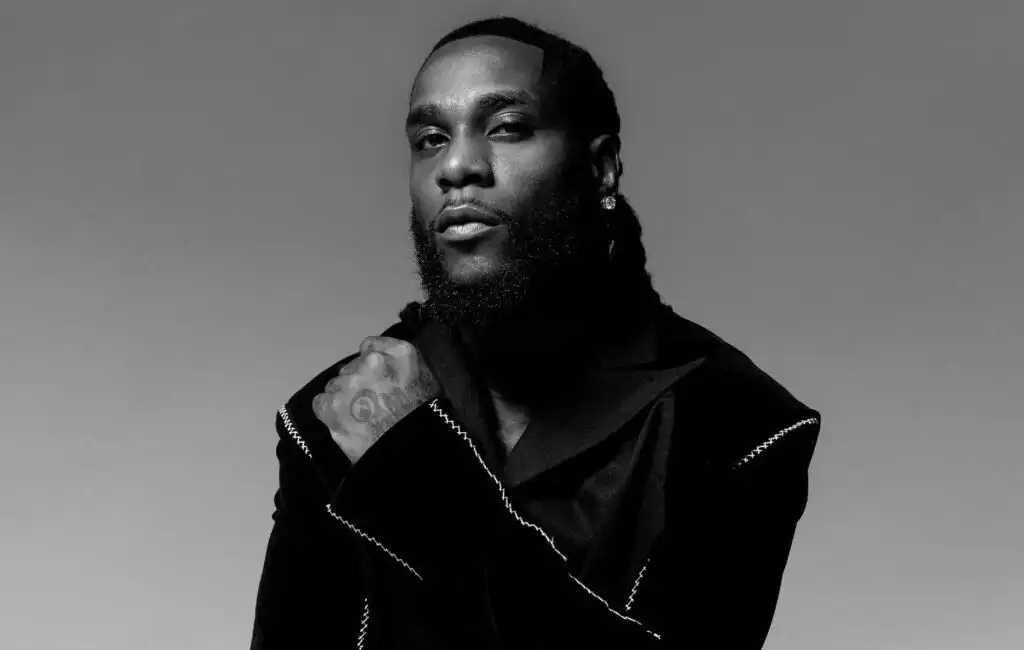
Grammy winning Nigerian superstar Burna Boy has publicly addressed the wave of criticism following his recent acquisition of a custom Venuum Widebody Bugatti Chiron, reportedly valued at 9 billion naira. During a performance at the Afronation concert in Portugal on Friday night, the artist born Damini Ogulu defended his luxury purchase through a freestyle rap that directly confronted his detractors.
The controversy erupted after news broke of the exclusive vehicle purchase, with social media users and critics questioning the wisdom of such extravagant spending. Many commentators argued that the singer, one of Africa’s most successful musical exports, should instead focus his wealth on charitable causes or business investments that could benefit his community. Others pointed to Nigeria’s notoriously poor road infrastructure, questioning the practicality of driving such an exotic automobile in a country where potholes and unpaved roads remain commonplace even in major cities.
Addressing the backlash during his concert appearance, Burna Boy delivered a pointed response in his characteristic style. “I buy Bugatti, dem ask which road I go drive am? No be today we dey do road like Julius Berger,” he rapped, referencing the prominent construction company known for road building across Nigeria. The freestyle moment quickly went viral, with fans and observers divided over whether his response was justified or tone deaf given Nigeria’s economic challenges.
This is not the first time Burna Boy’s spending habits have attracted public scrutiny and controversy. Last year, socialite Sophia Egbueje made headlines when she accused the singer of failing to fulfill a promise to buy her a Lamborghini in exce for intimacy. Rather than directly addressing the allegations, Burna Boy appeared to mock the situation in his song “No Do,” though he never explicitly confirmed or denied Egbueje’s claims. Egbueje subsequently announced she had purchased the Lamborghini herself, bringing a close to the widely publicized dispute that strained their relationship.
The debate around Burna Boy’s spending reflects broader tensions in Nigerian society about wealth, responsibility, and the role of successful artists in addressing social challenges. As one of the continent’s most commercially successful musicians, with record breaking streaming numbers and international recognition, his financial decisions carry symbolic weight beyond personal choice. Critics argue that high profile figures have a moral obligation to use their platforms and resources for social good, particularly in a nation grappling with widespread poverty and infrastructure deficits.
Whether this latest controversy will impact Burna Boy’s career or public image remains to be seen. His unapologetic stance suggests he views his spending as a personal matter beyond public judgment. As Nigerian artists continue to achieve unprecedented global success and accumulate significant wealth, questions about how they choose to spend their earnings and their responsibilities to their communities are likely to intensify. For now, Burna Boy appears determined to enjoy the fruits of his labor on his own terms, regardless of public opinion.
You May Like













Leave a comment