

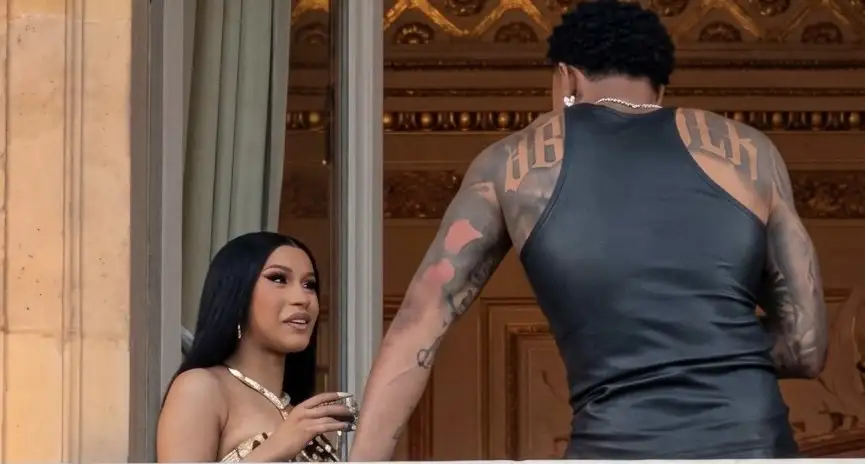
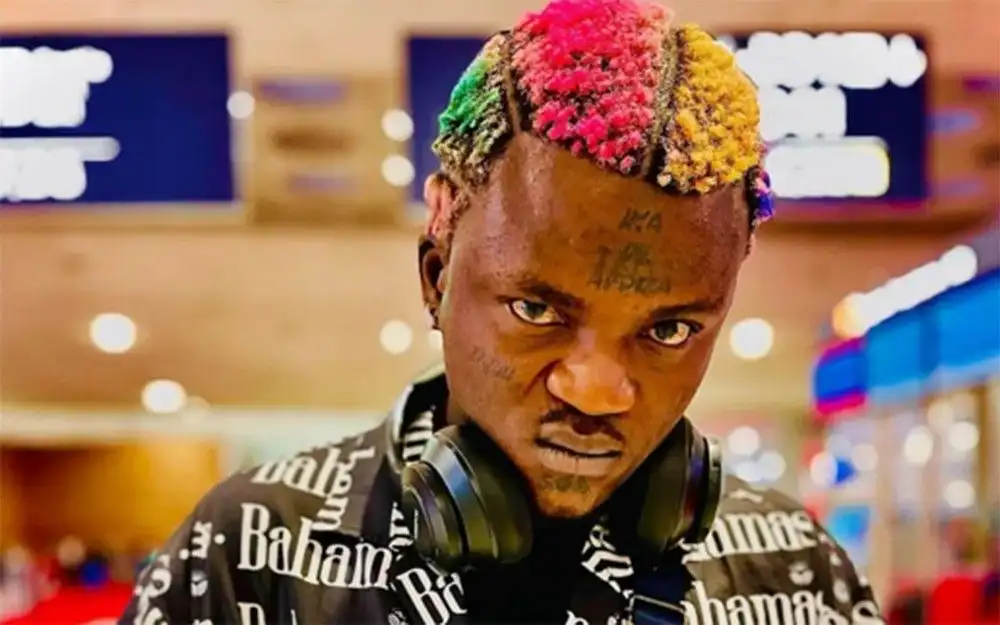
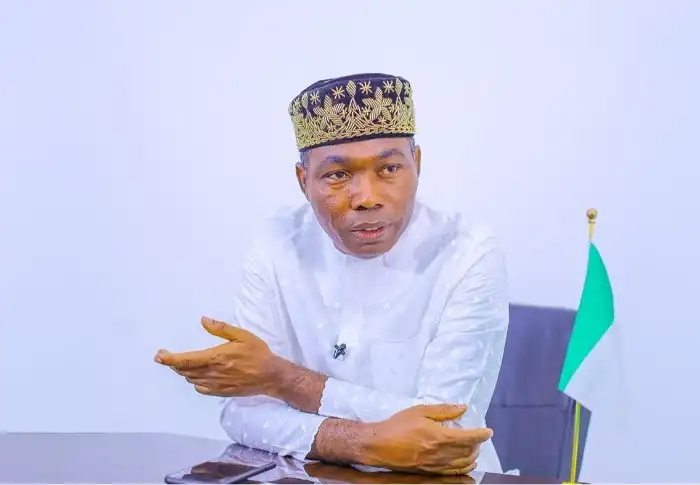
A bitter financial dispute among Nigerian entertainers has spilled into public view, with comedian turned prophet Woli Arole and actor Sanusi Izihaq, known professionally as Apa, accusing gospel singer Ola Best of relocating to Canada with funds from their monthly contribution scheme. The allegations, aired through Instagram videos on Friday, center on a traditional savings arrangement known locally as Ajo, a rotating credit system widely practiced across Nigerian communities where members make regular contributions and take turns collecting the accumulated sum.
Woli Arole fired the opening salvo in a pointed Instagram video, warning the singer that he was prepared to escalate matters if his money was not returned promptly. According to the comedian, the contribution scheme began in January, and August was his designated month to collect the pooled funds. He claimed that Ola Best’s phone number had become unreachable following his departure to Canada, and he referenced seeing the singer post about his safe arrival on his WhatsApp status. The frustration in his message was evident as he gave Ola Best an ultimatum of a few hours to make his number reachable or face public naming and shaming.

Actor Apa soon followed with his own video response, expressing confusion over the situation while confirming his involvement in the same savings group. He revealed that Woli Arole had been the one to introduce him to the monthly thrift arrangement, and he too had been unable to reach the administrator, presumably Ola Best, after attempting to call following Arole’s post. The compounding testimonies from multiple entertainment figures lent weight to the accusations and transformed what might have been a private financial disagreement into a very public controversy.
Ola Best eventually responded to the mounting pressure with his own Instagram video, adopting a conciliatory but defensive tone. He confirmed his recent arrival in Canada just two days prior, explaining that he had been granted a two year visa. Addressing Woli Arole directly and referring to him respectfully as a father figure, the gospel singer pleaded for patience and time to settle the debt. He expressed dismay that the matter had been brought to social media rather than handled privately, suggesting the public call out was excessive for what he characterized as a thrift money dispute that would be resolved.
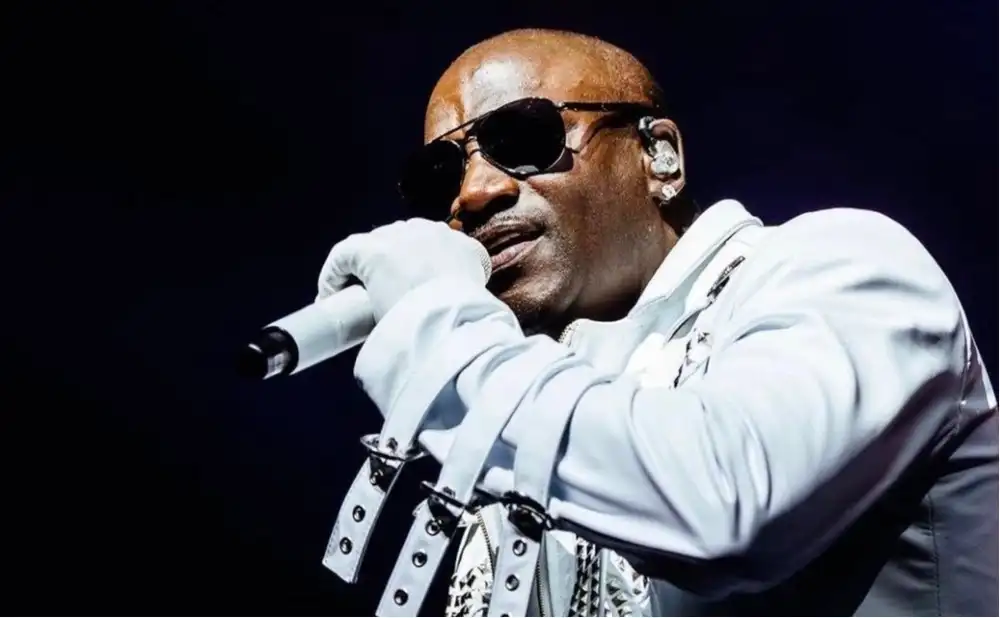
Such traditional savings groups, variously known as Ajo, Esusu, or contributory schemes, remain deeply embedded in Nigerian financial culture, particularly among small business owners and close knit communities. While these informal arrangements are built on trust and social bonds rather than legal contracts, they can become sources of serious conflict when members fail to meet their obligations. The absence of formal oversight or legal recourse means that public shaming through social media has increasingly become a tool for aggrieved parties seeking to recover their money or compel compliance from defaulting members.
As the controversy continues to unfold online, questions remain about whether Ola Best will make good on his promise to repay the money and how quickly he can restore his credibility among his peers. The incident serves as a cautionary tale about the risks inherent in informal financial arrangements, especially when participants are geographically dispersed or undertaking major life ces such as international relocation. For now, the court of public opinion on social media appears to be the only venue where this dispute will be adjudicated, and the reputational stakes for all involved remain considerable.
















Leave a comment