
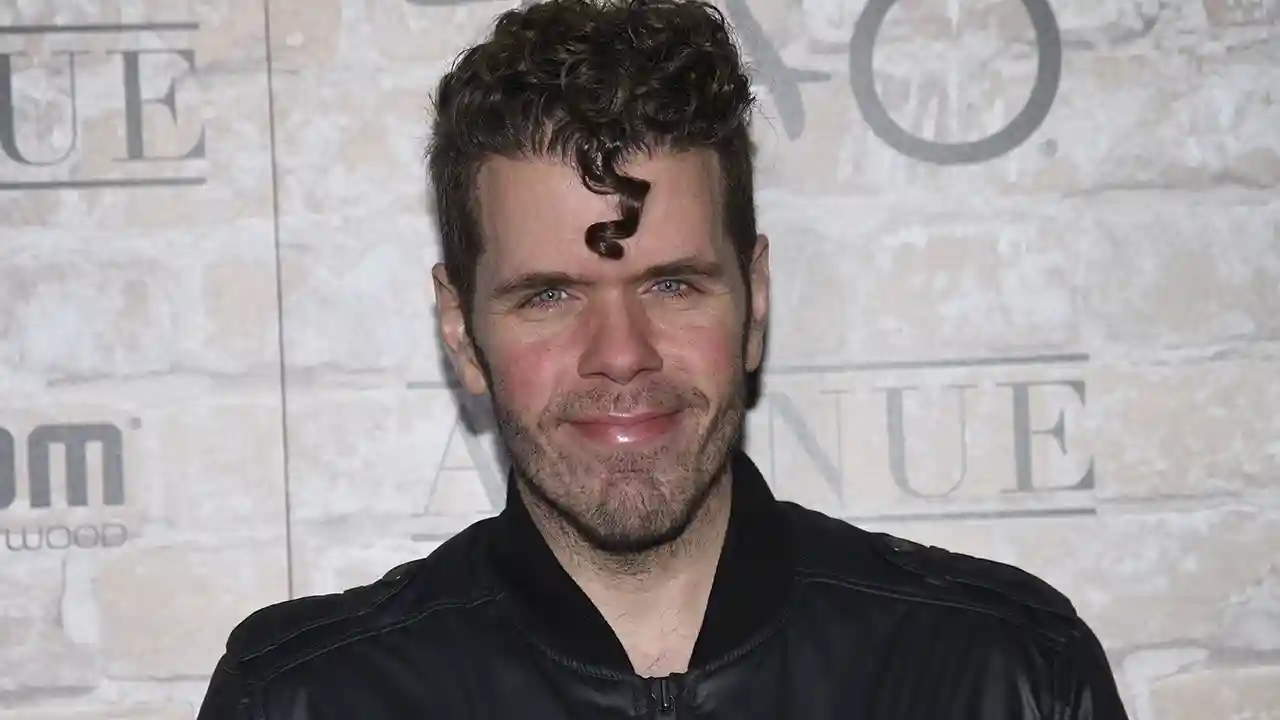
Celebrity blogger Perez Hilton was rushed to a hospital on August 4, 2026, after authorities responded to an emergency call at his residence following a TikTok Live session that raised serious concerns among viewers. The incident marks a troubling moment for the controversial media personality, who has spent nearly two decades chronicling the lives of celebrities and navigating the often turbulent waters of internet fame.

According to reports, viewers watching the live broadcast became alarmed by what they witnessed during the stream and contacted emergency services. Authorities arrived at his home and determined that hospitalization was necessary, though specific details about his condition and the nature of the medical emergency have not been publicly disclosed. Representatives for Hilton have remained largely silent about the circumstances surrounding the incident, leaving fans and followers to piece together information from fragments shared across social media platforms.
Perez Hilton, whose real name is Mario Armando Lavandeira Jr., rose to prominence in the mid 2000s as one of the first celebrity gossip bloggers to achieve mainstream recognition. His website became notorious for its unfiltered commentary and often harsh critiques of Hollywood figures. Over the years, he has attempted to rebrand himself multiple times, shifting away from his earlier antagonistic approach toward what he has described as more positive coverage of entertainment news.
Mental health experts have increasingly warned about the psychological toll that constant social media engagement can take on content creators, particularly those who built their careers on controversy and public attention. The pressure to maintain relevance in an increasingly crowded digital landscape, combined with the immediate and often harsh feedback loop of platforms like TikTok, creates a uniquely stressful environment. Many influencers and digital personalities have spoken openly about struggling with anxiety, depression, and burnout as they attempt to meet the relentless demands of their aunces.
The incident has sparked broader conversations about the responsibility social media platforms bear when users broadcast content that suggests they may be in crisis. While TikTok and other platforms have implemented various safety features and crisis intervention protocols, questions remain about whether these measures adequately protect vulnerable users. Critics argue that the incentive structures built into these platforms, which reward frequent posting and engagement, can inadvertently encourage risky behavior or exploitation of personal struggles for views.
As Hilton recovers from this medical emergency, attention will likely turn to what support systems exist for long term digital creators who may be experiencing mental health challenges. His situation serves as a stark reminder that behind the curated personas and carefully crafted content lies real human vulnerability. Whether this incident prompts meaningful ces in how platforms address creator wellness or simply fades into the endless news cycle remains to be seen, but it underscores an urgent need for more comprehensive mental health resources in the digital entertainment industry.







Leave a comment