

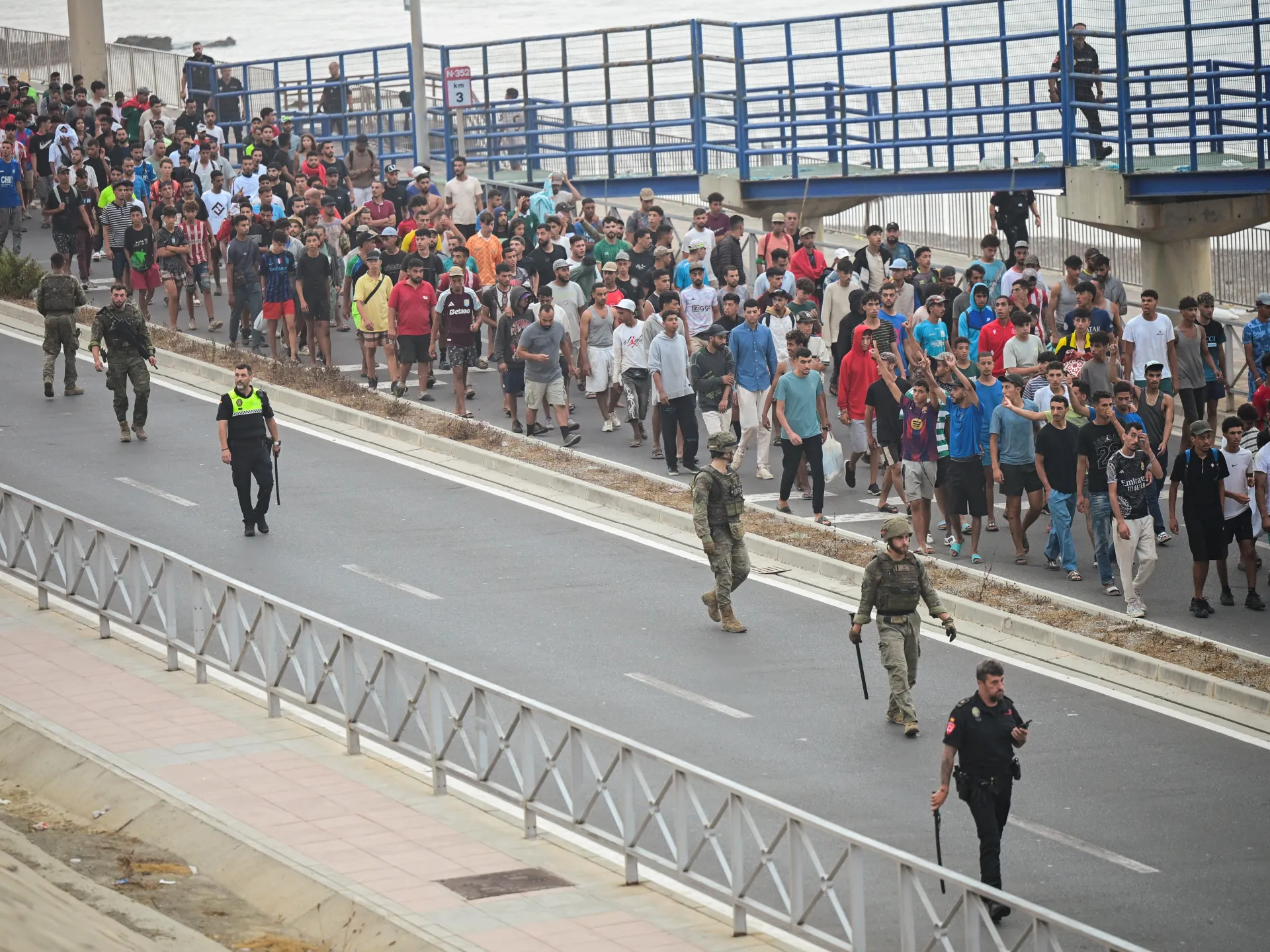
Between 3,000 and 5,000 migrants remain trapped in the Spanish enclave of Ceuta following a catastrophic border surge that left approximately 100 people dead and exposed deep vulnerabilities in European border security. Speaking during an extraordinary session of the European Parliament’s Committee on Civil Liberties, Justice and Home Affairs on Thursday, Ceuta President Juan Jesus Vivas painted a stark picture of a city still reeling from what he described as an invasion that brought it to the brink of collapse.
The crisis erupted in late July when an estimated 80,000 migrants stormed into Ceuta from Morocco within a 48 hour period, a number equivalent to the entire population of the tiny Spanish territory on North Africa’s coast. While roughly 75,000 of those who entered have since returned to Morocco, Vivas emphasized that the city is far from returning to normal. Reception centers for both adult and minor migrants have reached a state of total collapse, transforming what began as a security crisis into a full scale humanitarian emergency. Public order has been disrupted, and residents live in fear that another surge could permanently alter the character of their city.

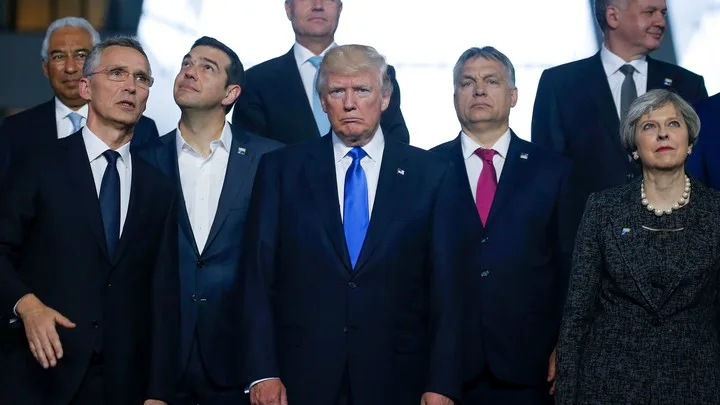
Vivas did not mince words when characterizing the events of July 30 and 31, deliberately invoking the term invasion to describe the mass crossing. According to the Royal Spanish Academy’s dictionary, he explained, an invasion can be understood as the abnormal or irregular occupation of a specific place. His language aligned closely with that of Spanish Prime Minister Pedro Sánchez, who during a visit to Ceuta called the surge an on Spain’s territorial integrity. European Commission President Ursula von der Leyen has also weighed in, acknowledging the severity of the crisis and the strain it has placed on both Spanish and European border systems.
The human toll of the border rush has been devastating. Around 100 people d during the chaotic crossing, many drowning as they attempted to swim into Spanish territory or being crushed in the stampede of bos overwhelming police at the city’s breakwater. Images broadcast around the world showed mostly young men running and cheering as they poured across the border on foot, while Spanish authorities scrambled to respond to the unprecedented scale of the incursion. The scenes have sparked intense political debate across Europe about migration policy, border security, and the effectiveness of agreements with North African nations.
Beyond the immediate humanitarian crisis, Vivas expressed deep concern about the psychological impact on Ceuta’s residents, who he said feel sad, helpless, uneasy, fearful, and worried. Citizens are asking whether such an event could happen again, and whether the next occurrence might push the city past the point of no return. Vivas warned that the crisis has exposed Ceuta’s extraordinary vulnerability and revealed that the city’s security and integrity rest in the hands of Morocco, a third country that does not recognize Spanish sovereignty over the territory. Tensions between Madrid and Rabat have simmered for years over issues ranging from migration control to territorial disputes, and reports suggest that Islamist groups may be seeking to exploit the current inility.
Looking ahead, Vivas proposed a series of measures to restore order and security to Ceuta, including the expulsion of remaining Moroccan migrants, increased resources for overwhelmed migrant facilities, and implementation of what he termed a new economic model emphasizing greater integration with Spain and Europe. Whether these proposals can address the root causes of migration pressure or merely treat the symptoms remains an open question. As European leaders grapple with record migration flows and rising public anxiety about border security, Ceuta has become a potent symbol of the challenges facing the continent. What happens next in this strategic enclave could set precedents for how Europe manages its southern frontier for years to come.

















Leave a comment