

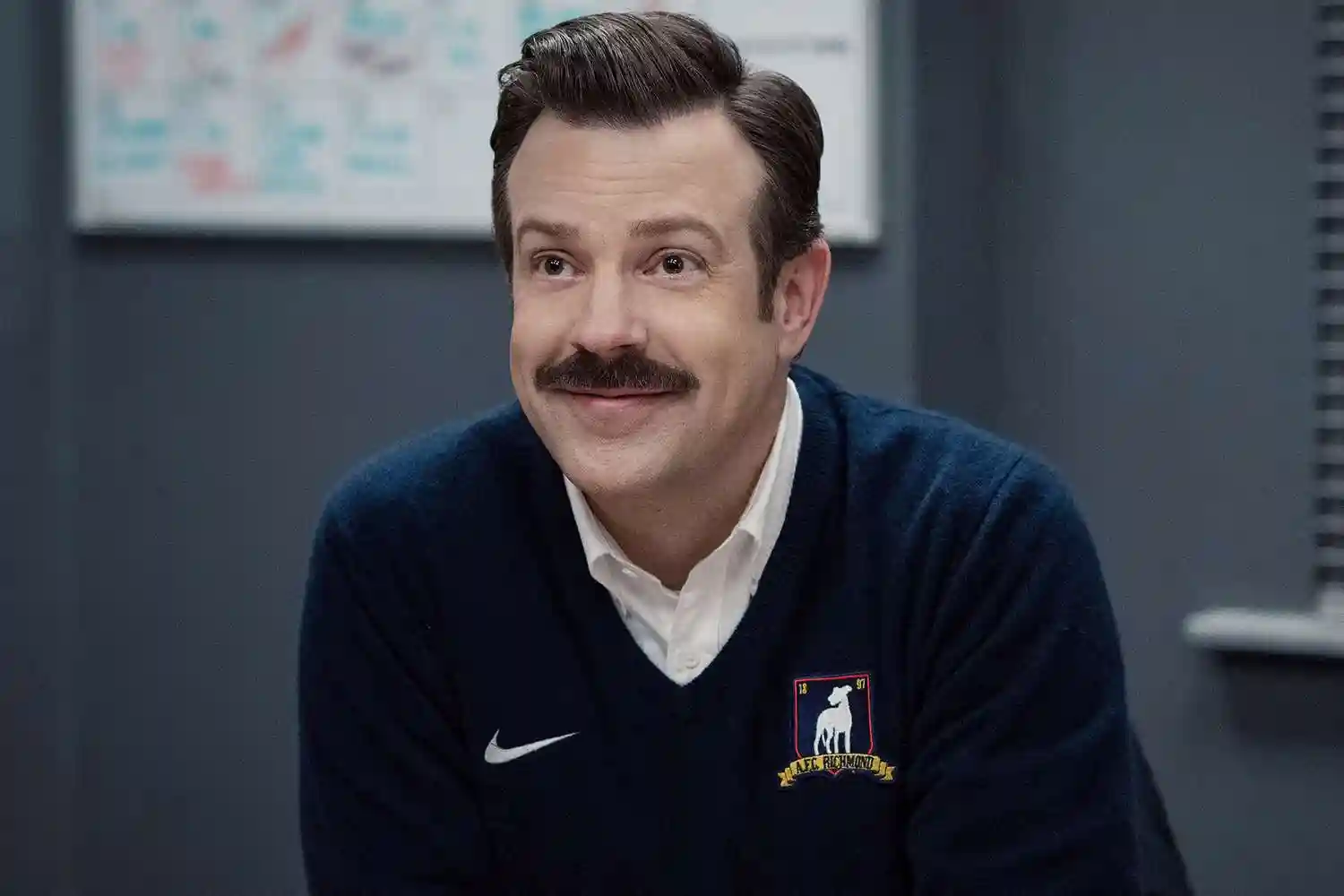
Television revivals rarely capture the magic of their original runs, and the return of Ted Lasso may prove to be one of the most unnecessary resurrections in recent memory. Christopher Stevens, a seasoned television critic with two decades of experience analyzing the small screen, has delivered a scathing assessment of the decision to bring back the once beloved comedy series, arguing that its feel good formula had already exhausted itself before the cameras started rolling again.
Stevens contends that Ted Lasso, which wrapped its original run after becoming a cultural phenomenon during the pandemic era, had reached a natural conclusion. The show’s brand of relentless optimism and folksy wisdom, delivered by Jason Sudeikis as the titular American football coach transplanted to English soccer, resonated powerfully when aunces desperately needed comfort viewing. However, that same formula has curdled into self satisfaction, with the revival appearing to coast on past goodwill rather than earning its emotional moments through genuine character development or fresh storytelling.

The timing of this critique raises important questions about the streaming industry’s approach to content creation. Networks and platforms have increasingly turned to revivals and reboots as a way to guarantee aunce attention in an oversaturated market. Yet this strategy often backfires when shows return without a compelling creative reason beyond capitalizing on brand recognition. Stevens suggests that Ted Lasso falls squarely into this category, representing a lazy creative decision that prioritizes commercial considerations over artistic merit.
Industry observers have noted a broader trend of diminishing returns when beloved series attempt comebacks. Shows like Will & Grace, Murphy Brown, and Roseanne all struggled to recapture their original appeal, often feeling dated or out of step with contemporary aunces despite their previous success. Ted Lasso now joins this growing list of properties that perhaps should have remained fondly remembered rather than risked on an uncertain revival.
Stevens’ criticism extends beyond mere disappointment with individual episodes. His review points to a fundamental problem with how television executives approach their most successful properties. Rather than allowing shows to end on their own terms and preserve their legacy, the pressure to generate content and maintain subscriber numbers pushes platforms toward safe bets that ultimately undermine the very qualities that made these shows special in the first place.
As streaming services continue to compete for viewers’ attention and subscription dollars, the lessons from Ted Lasso’s revival will likely influence future decisions about which shows deserve second lives. Stevens’ warning about lazy creative choices may resonate with executives who must balance commercial pressures against the risk of tarnishing beloved brands. Whether aunces will continue to support revivals that lack creative justification remains to be seen, but critics like Stevens are making clear that nostalgia alone cannot sustain quality television.















Leave a comment