


A cascade of political upheaval and diplomatic friction swept across South Asia on Thursday, with developments ranging from constitutional demands by Sri Lankan Tamils to mass arrests of protesters in Pakistan. Tamil Progressive Alliance leader Mano Ganesan announced that Tamils of Indian origin would push for the creation of a Non-Territorial Tamil Community Council when Sri Lanka begins its constitutional reform process, marking a significant shift in how the minority community seeks political representation. The move comes as Colombo grapples with ongoing efforts to address longstanding ethnic grievances through institutional reform rather than territorial autonomy.
Meanwhile, political tensions in Pakistan reached a boiling point as more than 100 supporters of jailed former prime minister Imran Khan were arrested during rallies marking three years of his imprisonment. Police moved aggressively against protesters in Punjab and Sindh provinces as demonstrations spread across the country. Khyber Pakhtunkhwa Chief Minister Suhail Afridi escalated the confrontation by announcing that Pakistan Tehreek-e-Insaf supporters would march on Islamabad on September 27 if justice is not delivered for the party’s founding chairman. The announcement sets the stage for a potential showdown between Khan’s supporters and the government of Prime Minister Shehbaz Sharif, who alongside Chief of Defence Forces Field Marshal Asim Munir departed for a three-day visit to Saudi Arabia aimed at reinforcing strategic ties amid escalating West Asian tensions.
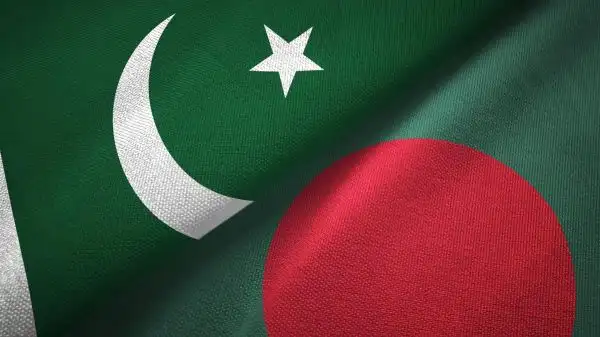
Bangladesh moved forward with its electoral calendar as the Election Commission announced that presidential elections would take place on August 20, just two weeks after President Mohammed Shahabuddin resigned on health grounds before completing his five-year term. The rapid transition underscores the constitutional mechanisms at work in Dhaka even as neighboring countries grapple with political inility. Separately, Sri Lanka’s Navy rescued 11 Indian fishermen after their vessel encountered difficulties in Sri Lankan waters, a reminder of the ongoing humanitarian cooperation that persists despite occasional maritime boundary disputes between the two nations.
Beyond South Asia, diplomatic friction intensified between Beijing and Tokyo after China lodged what it described as a serious protest over Japan’s latest defense white paper. Tokyo’s characterization of China as its greatest strategic challenge and comments regarding Taiwan prompted an angry response from Chinese officials, further straining relations between the two Asian powers. Meanwhile, in a separate corruption case, former deputy head of China’s Science, Technology and Industry for National Defence Z Jianhua received a 10-year prison sentence, the latest senior defense official to fall in President Xi Jinping’s sweeping anti-graft campaign.
Policy shifts in Washington added another dimension to the day’s developments. The United States restored full discretion to immigration officers to deny benefit requests when applicants submit incomplete applications or fail to provide required eligibility documents. The ce represents a tightening of immigration procedures that could affect thousands of pending applications. Additionally, the federal government filed a lawsuit against Venkatchalam Mani, a Pennsylvania rental property owner, alleging ual harassment of a female tenant and subsequent retaliation when she refused his advances, signaling continued enforcement of fair housing protections.
Looking ahead, the convergence of these developments suggests a period of sustained political volatility across South Asia and beyond. Pakistan faces the prospect of major civil unrest if the September march proceeds as planned, while Sri Lanka’s constitutional reform process will test whether meaningful Tamil representation can be achieved through innovative governance structures. Bangladesh’s rapid presidential transition will be closely watched as a test of institutional ility, and the deepening China-Japan rift over defense postures and Taiwan threatens to reshape regional security calculations. As governments navigate these overlapping challenges, the coming weeks will prove critical in determining whether diplomatic channels can contain rising tensions or whether the region faces a more sustained period of political and strategic confrontation.











Leave a comment