


The Senate voted Wednesday to confirm Dr. Erica Schwartz as the new director of the Centers for Disease Control and Prevention, placing the former deputy surgeon general at the helm of an agency struggling with internal discord and mounting public health challenges. The 51 to 44 vote comes as the CDC confronts questions about political interference and faces criticism over its handling of multiple disease outbreaks now spreading across the nation.
Schwartz assumes leadership at what many public health experts describe as a pivotal moment for the agency. Morale among CDC staff has reportedly reached historic lows following months of political pressure and organizational restructuring. During her confirmation hearing last month before a Senate committee, the new director faced pointed questions about her stance on vaccines and her planned response to the cyclospora outbreak, an intestinal illness that has now spread to 15 states according to the latest CDC data released Wednesday. Six additional states reported cases in recent days, underscoring the urgency of the public health crisis awaiting Schwartz as she takes office.

The cyclospora outbreak has also drawn attention to food safety protocols across the restaurant industry. Chipotle announced it has removed jalapeños from some locations as health officials investigate a possible connection between the peppers and a separate salmonella outbreak. Federal investigators are working to trace the source of contamination, a process that can take weeks or months depending on the complexity of food supply chains.
In aviation news, federal officials launched an investigation into a safety incident involving President Trump’s helicopter and a commercial jet at Reagan National Airport. Marine One departed the White House with the president aboard Tuesday afternoon just as a commercial aircraft took off from the nearby airport. While the two aircraft never came close to each other and officials confirmed Trump was never in danger, the incident appears to violate safety protocols elished after a deadly midair collision between an airliner and an Army helicopter near the same airport last year. Aviation safety experts have long warned about the unique challenges posed by Reagan National’s location in restricted airspace near sensitive government facilities.
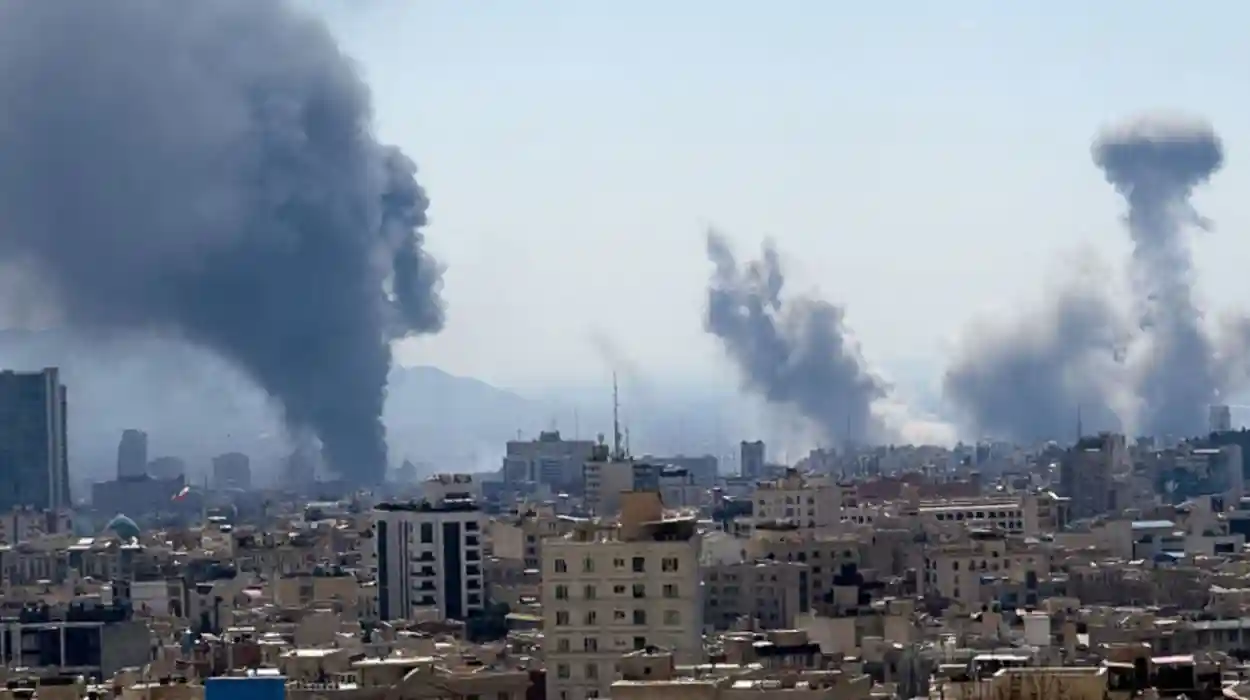
Diplomatic developments in the Middle East showed signs of progress as Iranian officials announced they are finalizing an agreement with Oman to reopen the Strait of Hormuz. Regional officials disclosed that the proposed deal would allow ships to enter the Persian Gulf through Iranian waters and exit through Omani waters, with neither country charging transit fees. The arrangement could pave the way for renewed negotiations between the United States and Iran on broader issues, including Tehran’s nuclear program. Iranian officials cautioned that the deal remains contingent on what they described as noninterference from certain third parties, though they did not specify which nations they were referencing. Violence continued in southern Lebanon, where Israeli strikes ed at least one person and injured approximately a dozen others in what Israeli military officials characterized as a response to cease fire violations by Hezbollah, the Iran backed militant group. Those strikes occurred even as Lebanese and Israeli negotiators held a second day of talks in Rome.
Extreme weather patterns continue to batter populations across Europe and Northeast Asia, where punishing heat waves have forced governments to declare emergencies and cancel public events. South Korean President designated the heat wave a national disaster after two baseball fans fainted, prompting the cancellation of professional games. In Italy, at least 25 cities remained under the highest heat alert as temperatures soared and the Vatican moved Pope Leo’s weekly general aunce indoors to protect attendees from dangerous conditions. Residents in Seoul and Rome alike reported that this summer feels unprecedented in its intensity, raising fresh concerns about climate adaptation strategies and the adequacy of public infrastructure to protect vulnerable populations during increasingly frequent extreme weather events.
You May Like

















Leave a comment