
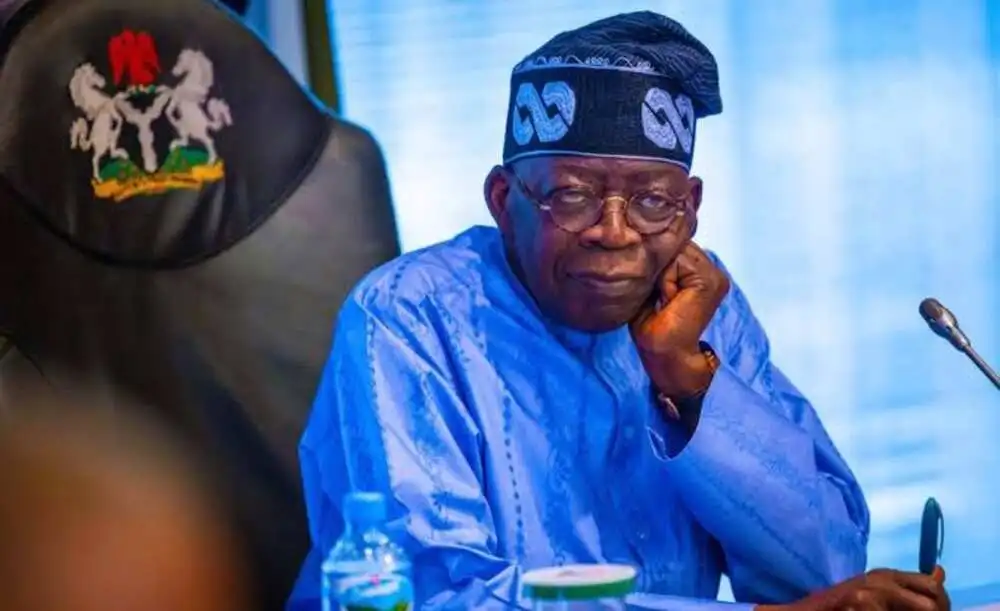
A prominent member of the All Progressives Congress has called on President Bola Tinubu to drastically reduce federal allocations to state governors, accusing them of serving as agents of underdevelopment and diverting public funds meant for essential infrastructure. Jonathan Vatsa, a former Niger State Commissioner for Information, Culture and Tourism, insists that the economic pain gripping Nigeria stems not from insufficient resources but from the chronic failure of state governments to translate increased revenues into tangible improvements for ordinary citizens.
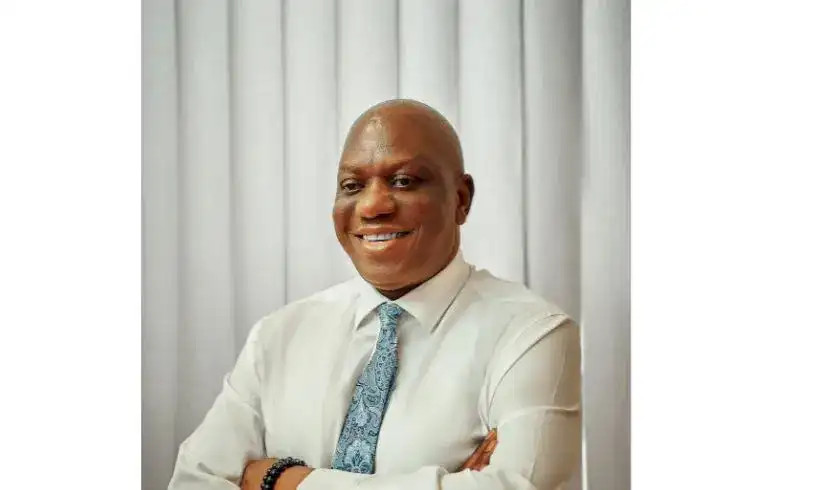
Speaking in Minna on Saturday, Vatsa responded to President Tinubu’s recent public admonition of governors who prioritize vanity projects such as flyovers in low traffic areas over initiatives that directly benefit the population. Vatsa praised the presidential critique as evidence that Tinubu is beginning to recognize that many state governors have emerged as the biggest obstacle confronting both his administration and the ruling party. He warned that these officials continue to receive vastly increased monthly allocations following the removal of fuel subsis, yet citizens across the country report deepening poverty and worsening living conditions with little visible development to justify the expenditure.
Without directly naming Governor Mohammed Umaru Bago, Vatsa pointed to Niger State as a case study of the problem. He noted that several flyover projects remain under construction in Minna nearly three years after work commenced, none of which have been completed. Such ventures, he alleged, have become vehicles for wasteful spending and unsustainable borrowing rather than genuine infrastructure advancement. The APC chieftain emphasized that while state governors control enormous financial resources, public frustration over inflation, escalating costs of living and governance failures is directed almost entirely at the presidency, allowing many state administrations to escape accountability despite managing increasingly substantial budgets.
Vatsa proposed that President Tinubu elish a national development intervention mechanism similar to the Petroleum Trust Fund that operated under the late General Sani Abacha or the Subsidy Reinvestment and Empowerment Programme introduced during the Goodluck Jonathan administration. Such a centralized framework, he argued, would ensure that savings from fuel subsidy removal are channeled directly into infrastructure projects and social programmes that reach ordinary Nigerians, bypassing state governments that have proven incapable of prudent financial management. The suggestion reflects growing concerns within sections of the ruling party that the current fiscal arrangement allows too much discretion at the state level without corresponding accountability mechanisms.
Beyond the issue of state allocations, Vatsa also urged the President to enforce the Supreme Court judgment granting financial autonomy to local government councils. He alleged that many governors continue to withhold or severely limit council allocations, with some local governments receiving less than ten percent of their statutory entitlements. According to Vatsa, this systematic strangulation of grassroots governance has crippled development at the community level and undermined efforts to address insecurity across the country. Local governments, traditionally the tier of administration closest to rural communities, have been rendered ineffective by the actions of state executives who view council funds as extensions of their own treasuries.
As Nigeria approaches the midpoint of President Tinubu’s first term, these criticisms from within the ruling party signal mounting internal pressure for fiscal reform and greater accountability at the state level. Whether the administration will act on calls to restructure federal transfers or enforce existing judicial pronouncements on local government autonomy remains uncertain. What is clear, however, is that patience is wearing thin among party stakeholders who believe that the political cost of governance failures is being borne disproportionately by the federal government while state administrations continue business as usual. How President Tinubu responds to these concerns in the coming months may determine not only the success of his economic reform agenda but also the political fortunes of the APC heading into future electoral cycles.










Leave a comment