

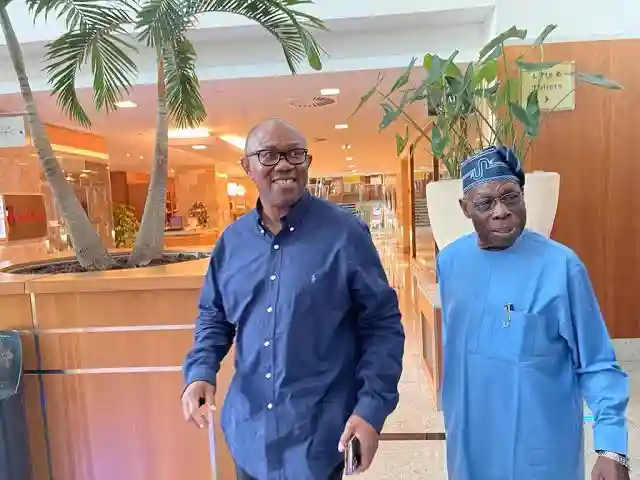
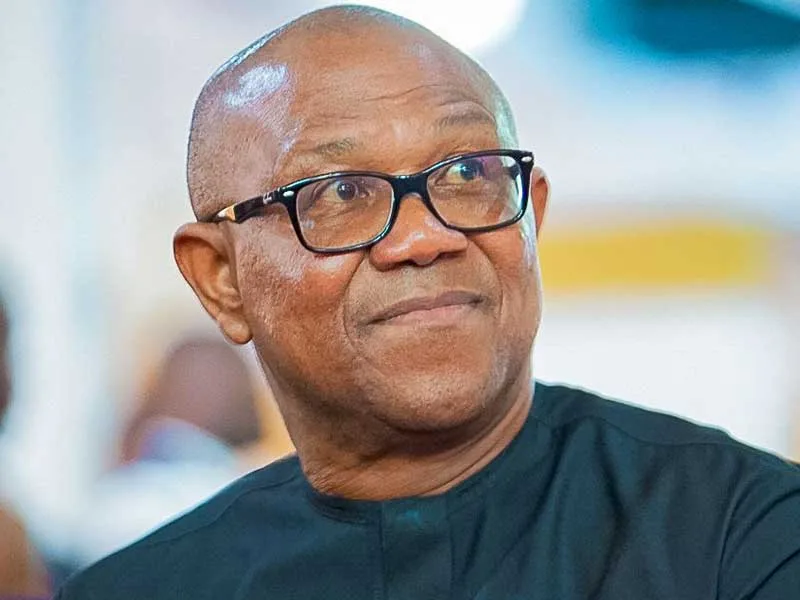
Presidential candidate Peter Obi held a significant meeting with former President Olusegun Obasanjo on Wednesday, a development that has intensified speculation about the elder statesman’s pivotal role in shaping Nigeria’s opposition strategy ahead of the 2027 general election. The encounter between the Nigerian Democratic Congress candidate and the former head of state comes at a critical juncture as political alliances are being forged and tested across the country’s fractured opposition landscape.
Photographs documenting the meeting were released on social media by Esther Umoh, Obi’s official photographer, who confirmed the encounter in a brief statement. While neither party has disclosed the substance of their discussions, political observers view the timing as particularly noteworthy given recent revelations about Obasanjo’s involvement in brokering crucial opposition alliances. Such high profile consultations typically signal strategic planning sessions as candidates position themselves for what promises to be a fiercely contested electoral battle.

Just days before this meeting, Akin Osuntokun, who previously served as political adviser to Obasanjo, made explosive claims during an interview on Arise Television. Osuntokun asserted that the former president was the principal architect behind the alliance between Obi and Rabiu Kwankwaso, effectively dismissing widespread speculation that Obasanjo might be covertly supporting President Bola Tinubu. According to Osuntokun, the octogenarian statesman has instead assumed a leading role in uniting disparate opposition figures under a common banner, leveraging his political capital to forge what many hope will be a formidable challenge to the ruling party.
Obi’s political journey has been marked by recent upheaval and strategic repositioning. He recently departed from the African Democratic Congress, where he had previously formed a coalition with running mate Rabiu Kwankwaso, citing internal divisions and persistent legal challenges that threatened to undermine their electoral prospects. Both politicians subsequently moved to the Nigerian Democratic Congress, a transition that political analysts interpret as an effort to find more le institutional footing from which to mount their presidential campaign. Such party switching, while common in Nigerian politics, often reflects deeper struggles within opposition ranks to present a unified front against incumbents.
Obasanjo’s involvement in opposition politics carries considerable weight given his enduring influence within Nigeria’s political elishment. As a former military ruler who later served two terms as civilian president, his endorsement or active support can shift political calculations significantly. His reported role in facilitating cooperation between Obi and Kwankwaso suggests a deliberate effort to consolidate opposition forces that have historically been fragmented along regional, ethnic, and personal lines. Whether such efforts can overcome the structural advantages enjoyed by the ruling party remains an open question that will likely define the coming electoral season.
As the 2027 general election draws c, meetings like Wednesday’s encounter will become increasingly common as candidates seek counsel, endorsements, and strategic partnerships. Obi’s consultation with Obasanjo signals his recognition that success in Nigerian presidential politics often requires navigating complex networks of influence and securing buy in from respected elder statesmen. Whether this meeting translates into concrete political support or merely represents a courtesy call between political figures remains to be seen, but the optics alone reinforce Obi’s positioning as a serious contender building bridges across Nigeria’s political divide. How effectively the opposition can unify behind a common vision may ultimately determine whether President Tinubu faces a meaningful challenge to his reelection bid.












Leave a comment