

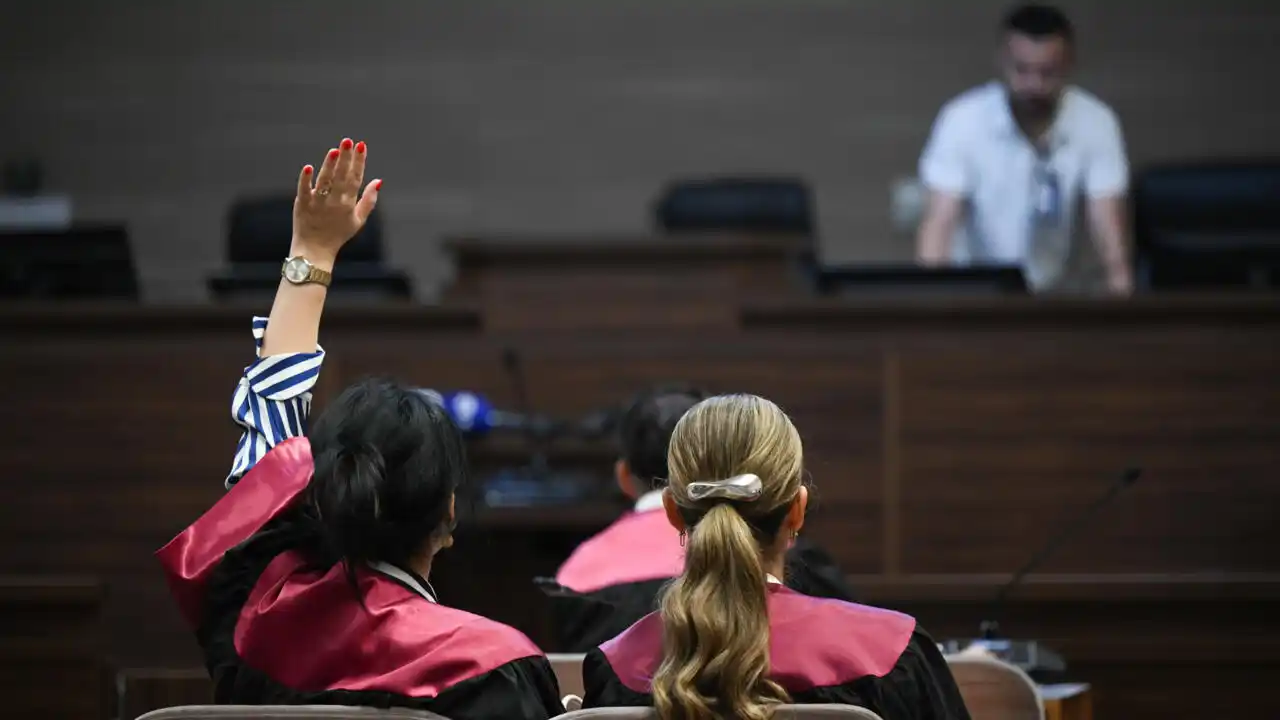
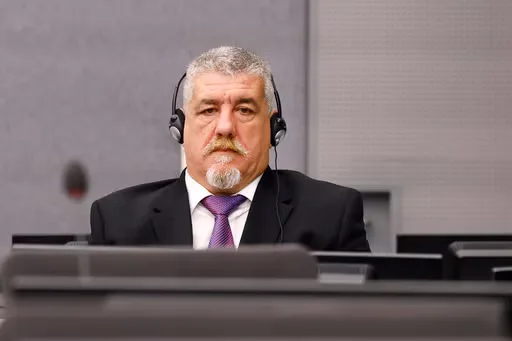
A landmark trial opened Friday in Pristina to prosecute one of the most horrific war crimes of the Kosovo conflict, with 21 Serbian officials facing charges in absentia for the massacre of 42 civilians in the village of Racak in January 1999. The ings sparked international outrage and became a pivotal moment that ultimately prompted NATO intervention to end the brutal conflict between Serbian forces and ethnic Albanian independence fighters. None of the accused have surrendered to Kosovo authorities, forcing prosecutors to proceed without their presence in the courtroom.
Presiding judge Violeta Namani Hajra formally opened proceedings, acknowledging the absence of all defendants and confirming the trial would move forward despite their failure to enter pleas. Prosecutor Ilir Morina outlined the charges against the men, which include , torture, inhumane treatment, destruction of property, and the forced deportation of civilians to Albania. Among the accused are high ranking former officials including Obrad Stevanovic, who served as police head, intelligence chief Radomir Markovic, and Goran Radosavljevic, the police general who commanded special operations. International arrest warrants have been issued for all 21 defendants.
According to the indictment, Serbian forces launched a coordinated on the southern Kosovo village, beginning with artillery shelling before troops entered and conducted house to house searches. Victims were described as unarmed civilians who were executed at close range in what prosecutors characterize as deliberate, planned, and systematic ings rather than casualties of combat. Court appointed defense lawyers have been assigned to represent the accused, with attorney Agron Curri stating that trying the defendants in absentia was the only viable option given their location outside Kosovo and their refusal to surrender. He emphasized that all charged individuals retain the right to a defense despite their absence.
Serbia has consistently denied that a massacre occurred at Racak, with officials including current President Aleksandar Vucic maintaining that those ed were Kosovo Liberation Army fighters engaged in armed combat. Belgrade’s position stands in stark contrast to international investigations and witness accounts from the time, which documented the ings of civilians including women and elderly residents. Serbia’s office for Kosovo has characterized the prosecution as part of an ongoing campaign of anti-Serbian policy, particularly after authorities arrested five Kosovo Serbs earlier this year in a separate case related to the same incident.
The Racak ings marked a critical turning point in the Kosovo war, galvanizing international support for military intervention against Serbia under the rule of strongman Slobodan Milosevic. Within months of the massacre, NATO launched a ing campaign that eventually forced Serbian troops to withdraw from Kosovo. An international peacekeeping force subsequently took control of the territory, which declared independence in 2008 over Belgrade’s continued objections. Serbia has never recognized Kosovo’s sovereignty over what it still considers its former territory.
More than 13,000 people d during the Kosovo conflict, the vast majority of them ethnic Albanians subjected to ethnic cleansing campaigns. As this trial unfolds, it represents not only an attempt to hold perpetrators accountable for specific atrocities but also a broader reckoning with the violent disintegration of Yugoslavia in the 1990s. Whether any of the accused will ever face justice in person remains uncertain, yet Kosovo authorities appear determined to proceed with prosecution regardless, elishing a historical record of crimes committed even if the defendants remain beyond reach. The proceedings will test the limits of international justice and the ability of courts to function when those accused refuse to recognize their legitimacy or jurisdiction.
You May Like













Leave a comment