

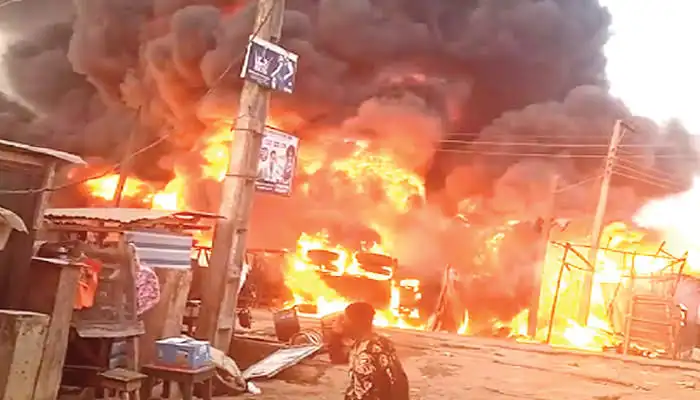
Wildfires have consumed an unprecedented 435,000 hectares of forest across European Union member states since the beginning of 2026, marking one of the most destructive fire seasons on record for the continent. The staggering figure, equivalent to 4,350 square kilometers or an area larger than the island of Majorca, represents a dramatic escalation in the environmental crisis facing European nations. Authorities tracking the blazes report that the scale of destruction has already surpassed several previous years’ totals with five months still remaining in the fire season.
European environmental agencies have attributed the surge in wildfire activity to a combination of prolonged drought conditions, record breaking summer temperatures, and strong winds that have turned forests into tinderboxes. Southern European nations including Spain, Greece, and Italy have borne the brunt of the devastation, though countries as far north as France and Portugal have also reported significant losses. Climate scientists warn that the intensity and frequency of these fires align with long predicted consequences of global temperature increases.

The economic and ecological toll extends far beyond the immediate destruction of trees and vegetation. Wildlife habitats spanning generations have been obliterated in mere hours as flames raced through woodland areas. Local communities have faced evacuation orders, with thousands of residents displaced and agricultural lands destroyed. Tourism sectors in affected regions have suffered substantial losses as popular destinations become engulfed in smoke and flame, forcing cancellations during what should be peak summer travel months.
Firefighting resources across the EU have been stretched to breaking point, with member states deploying mutual aid agreements to share personnel, aircraft, and equipment. Thousands of firefighters from multiple nations have worked around the clock to contain blazes that in some cases have burned for weeks. Water ing aircraft have flown hundreds of sorties, yet many fires have proven resistant to suppression efforts due to extreme weather conditions and difficult terrain.
Environmental experts emphasize that the record fire season serves as yet another stark reminder of the accelerating impacts of climate ce on European ecosystems. Forests that once acted as carbon sinks are now releasing massive amounts of stored CO2 back into the atmosphere, creating a dangerous feedback loop. Restoration of burned areas will take decades, and there is no guarantee that replanted forests will survive increasingly hostile climatic conditions.
Looking ahead, European policymakers face mounting pressure to implement more aggressive climate adaptation strategies and invest heavily in fire prevention infrastructure. Discussions are already underway regarding expanded firebreaks, enhanced early warning systems, and stricter land management protocols. Whether these measures will prove sufficient to combat what appears to be a new normal of catastrophic fire seasons remains an open and deeply troubling question for the continent.





















Leave a comment