

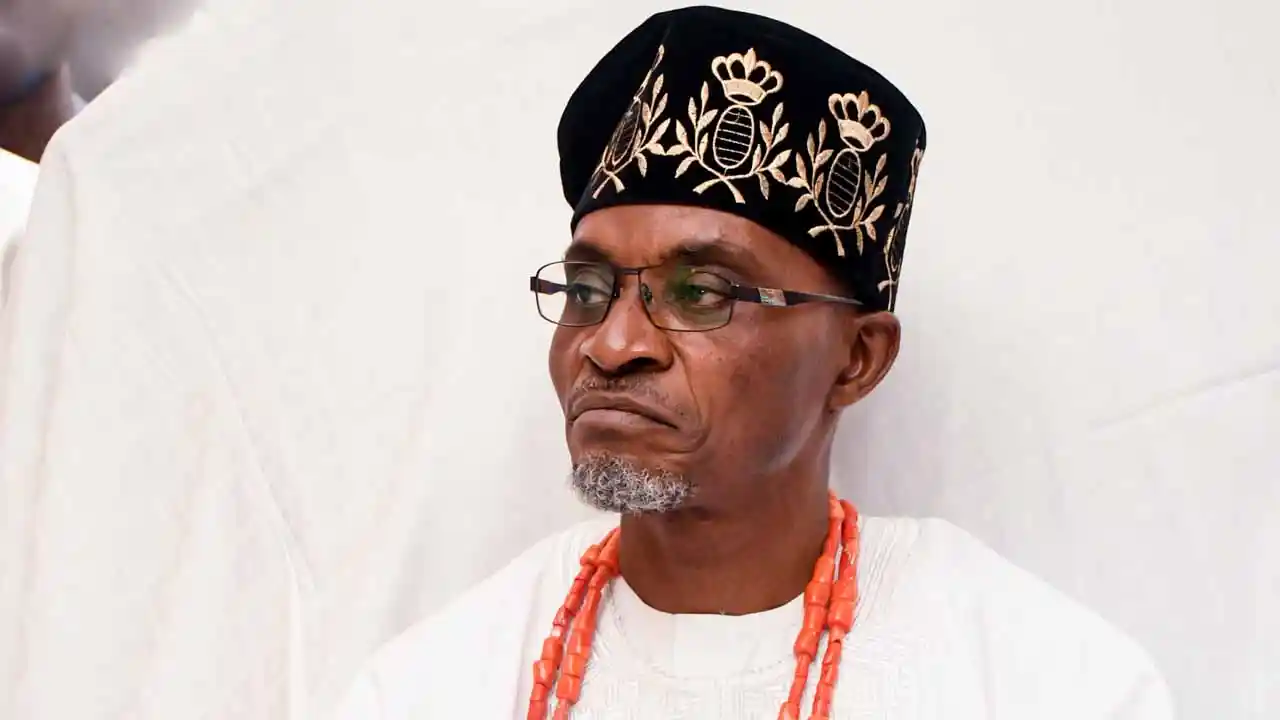
A prominent traditional ruler in Nigeria has issued a stark warning to voters ahead of the 2027 general elections, cautioning citizens against accepting money in exce for their votes. Oba Saka Matemilola, the Olowu of Owu Kingdom, described the practice of collecting cash for votes as selling the conscience and future prospects of the next generation for a pittance.
Speaking to journalists during celebrations marking his fourth year on the throne, Oba Matemilola outlined what he believes should be the primary responsibility of traditional rulers in modern Nigeria. He emphasized that the wellbeing of subjects across critical sectors including education, healthcare, and economic opportunity must remain the paramount concern of any monarch. Despite constitutional provisions that have marginalized the formal role of traditional institutions in governance, the royal father argued that this should not prevent traditional rulers from actively working to ensure responsible leadership emerges at all levels of government.
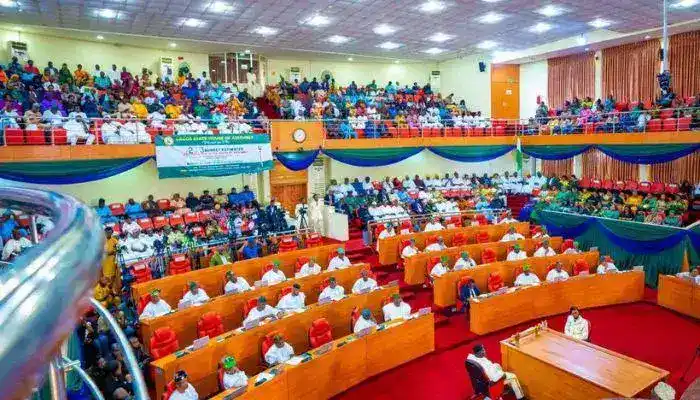
The monarch specifically called on his fellow traditional rulers across Nigeria to mobilize their communities for the upcoming electoral cycle. He urged them to encourage subjects to obtain Permanent Voter Cards and to participate actively on election day. More importantly, he stressed that royal fathers must provide guidance to help their people discern which candidates possess genuine integrity and a sincere commitment to community development rather than personal enrichment.
Addressing the pervasive issue of vote buying that has plagued Nigerian elections for years, Oba Matemilola was unequivocal in his condemnation of the practice. He warned that accepting inducements of five thousand or ten thousand naira represents a betrayal not only of individual conscience but of the collective future of entire communities. According to the traditional ruler, voters must think carefully and critically about the candidates seeking their support, choosing only those who have demonstrated trustworthiness and a genuine concern for the welfare of ordinary citizens.
While advocating for active involvement in guiding electoral choices, Oba Matemilola was careful to distinguish between engagement and partisanship. He acknowledged that all politicians, regardless of party affiliation, are subjects of traditional rulers and must be treated as such. Royal fathers cannot show favoritism based on political party, he explained, because their responsibility extends equally to all members of their communities. Nevertheless, this neutrality does not preclude the responsibility to advise subjects to support candidates who meet basic standards of competence and integrity.
As Nigeria approaches another electoral cycle, the intervention by traditional rulers like Oba Matemilola represents a potentially significant force in combating vote buying and promoting more issue based political engagement. With voter apathy and electoral malpractice continuing to undermine democratic consolidation in Africa’s most populous nation, voices of moral authority from traditional institutions may prove crucial in shifting political culture. Whether such appeals will translate into meaningful behavioral ce among voters long accustomed to transactional politics remains to be seen, but the conversation itself marks an important step in reimagining the role of traditional leadership in contemporary Nigerian democracy.
You May Like







Leave a comment