
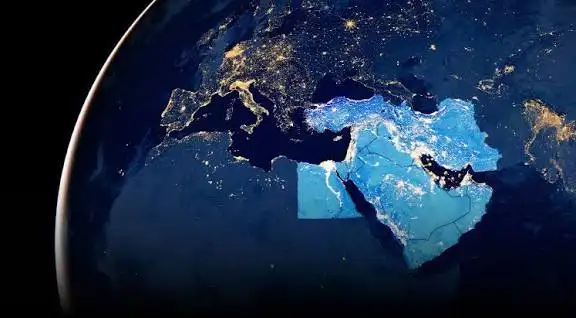
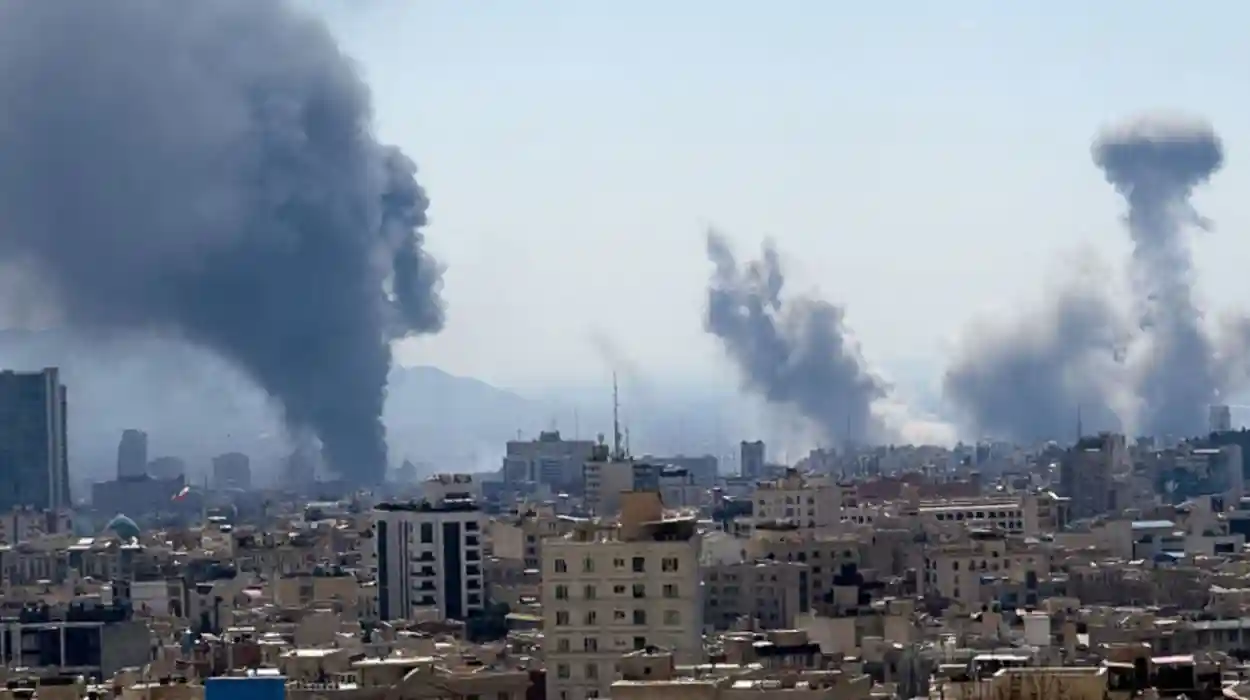
Political analysts and international security experts are warning that the rapidly expanding conflict in the Middle East could significantly reshape global alliances and diplomatic priorities in the years ahead. As tensions intensify and multiple countries become increasingly involved in the crisis, governments around the world are reassessing their strategic relationships and security commitments.
Experts say that conflicts of this scale often lead to shifts in how nations cooperate on defense, trade, and foreign policy. When geopolitical tensions escalate, countries may strengthen existing alliances or seek new partnerships to protect their national interests. The current situation in the Middle East has already prompted discussions among governments about regional ility, military coordination, and diplomatic engagement.
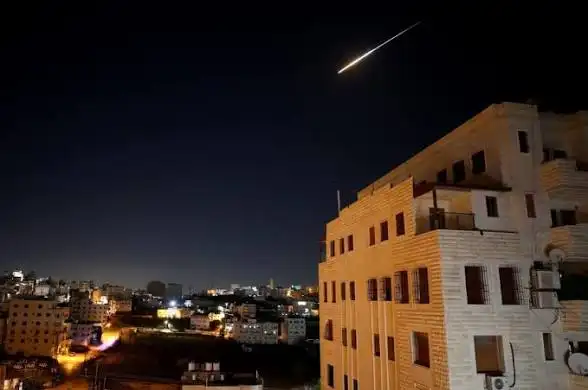
One of the key concerns among analysts is that the conflict could deepen divisions between different international blocs. In periods of geopolitical strain, countries sometimes align more closely with partners who share similar security concerns or political goals. Such alignments can influence decisions related to military cooperation, intelligence sharing, and economic agreements. Over time these developments may alter the balance of influence in various parts of the world.
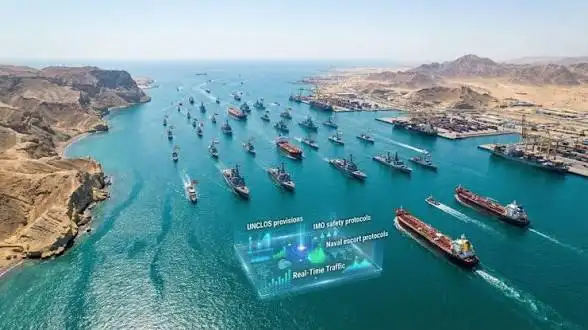
The crisis is also drawing attention to the strategic importance of the Middle East in global politics. The region remains a critical center for energy production, trade routes, and international security arrangements. Because of this importance, events there often have ripple effects far beyond the immediate area. Governments across Europe, Asia, and the Americas are closely monitoring developments while considering how the conflict could affect their long term diplomatic strategies.
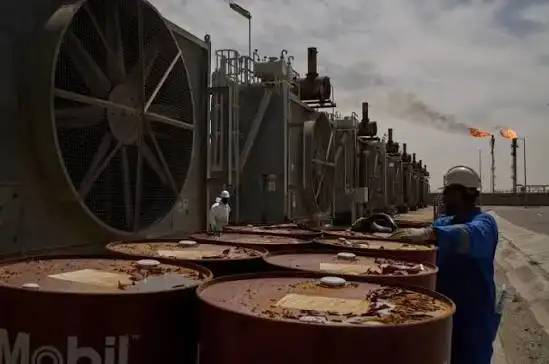
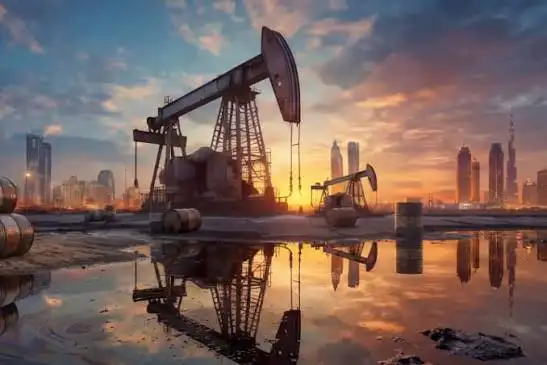
Energy security is another factor shaping international responses. Many countries depend on energy supplies that originate from or pass through the Middle East. If inility disrupts production or transportation networks, governments may need to reconsider supply arrangements and strengthen cooperation with alternative energy partners. Such adjustments could influence future diplomatic relationships and trade agreements.
Military cooperation between nations may also evolve in response to the conflict. Defense alliances often adapt during periods of heightened tension as countries seek to improve coordination and preparedness. Joint exercises, intelligence sharing, and defense technology partnerships can increase as governments work together to address perceived threats.
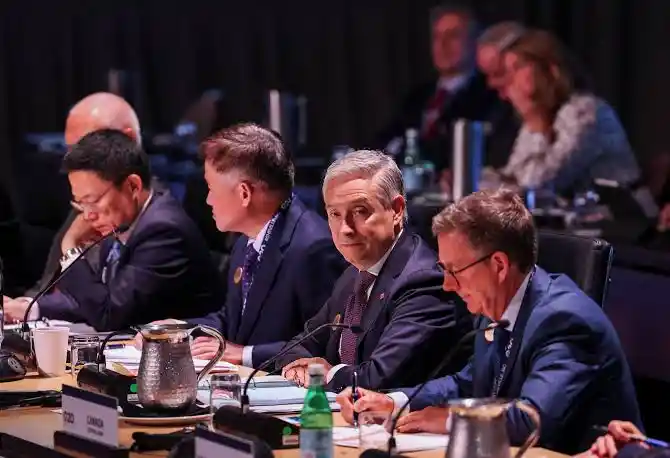
At the same time some analysts believe the crisis could encourage renewed diplomatic engagement among global powers. When conflicts risk expanding into broader confrontations, international leaders sometimes pursue negotiations or mediation efforts designed to ilize the situation. Such initiatives can lead to new diplomatic frameworks or security agreements aimed at preventing similar crises in the future.
The humanitarian dimension of the conflict is also influencing diplomatic discussions. Governments and international organizations are examining ways to provide assistance to civilians affected by violence and displacement. Cooperation in humanitarian response efforts can sometimes strengthen diplomatic relationships and foster new forms of collaboration between nations.
While it remains uncertain how the situation will evolve, experts agree that the consequences of the current conflict could extend well beyond the Middle East. Decisions made by governments in the coming months may influence global alliances, security policies, and diplomatic priorities for many years to come.







Leave a comment