

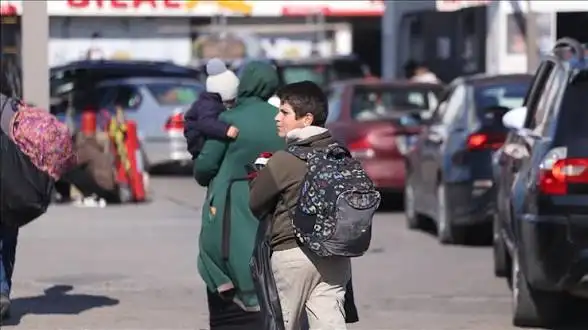
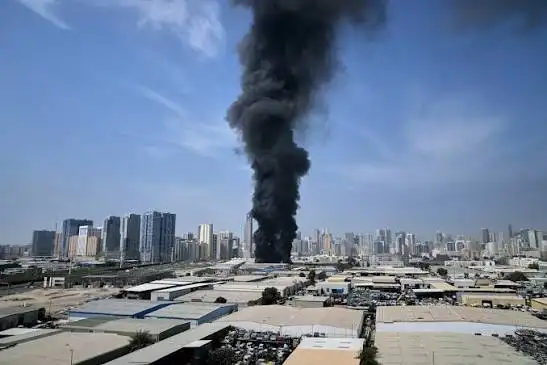
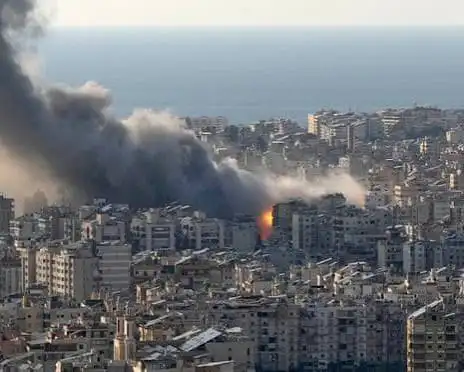
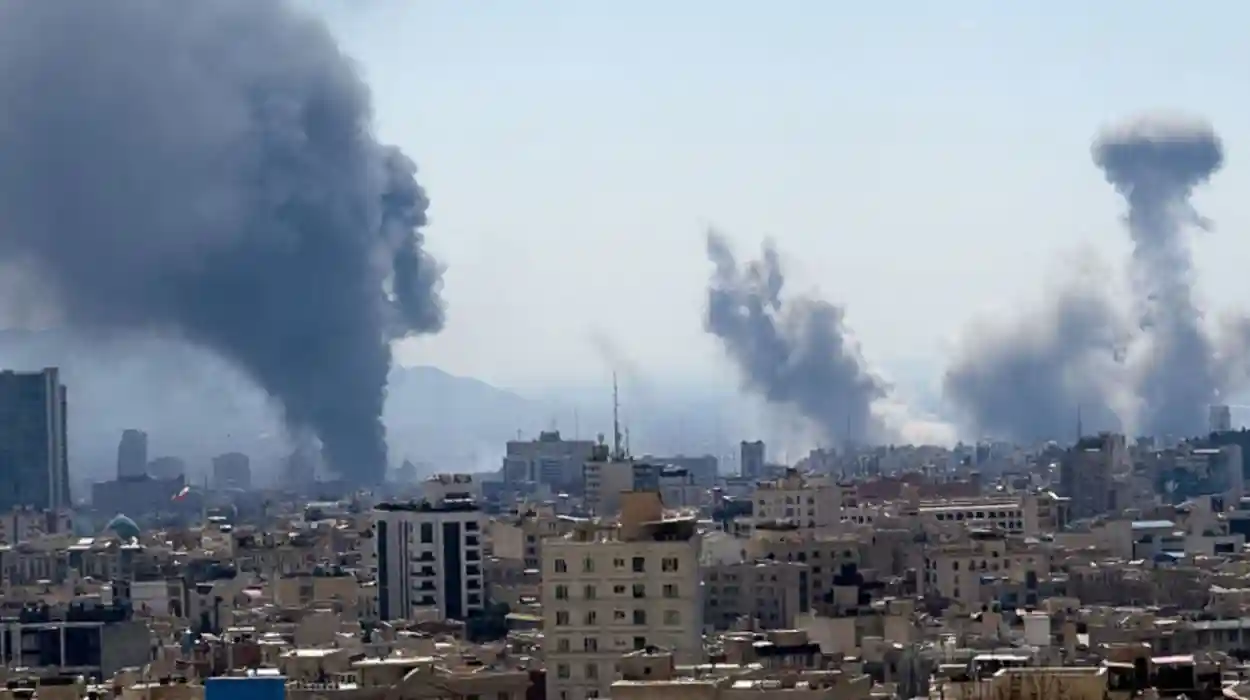
Large numbers of civilians are leaving urban areas across Iran and Lebanon as the regional conflict continues to disrupt daily life and create widespread uncertainty. Aid organizations and local authorities report growing movements of people seeking safety in rural communities or neighboring regions that are considered less exposed to the ongoing military activity. The rising displacement is placing additional pressure on humanitarian networks that are already working under difficult conditions.
In several major cities families have been packing belongings and departing with little notice after hearing reports of nearby military operations. Transportation hubs have become crowded as buses and private vehicles carry residents away from densely populated areas. Many families say their priority is to find temporary shelter with relatives or friends in smaller towns where they hope conditions may be calmer while the situation remains uncertain.
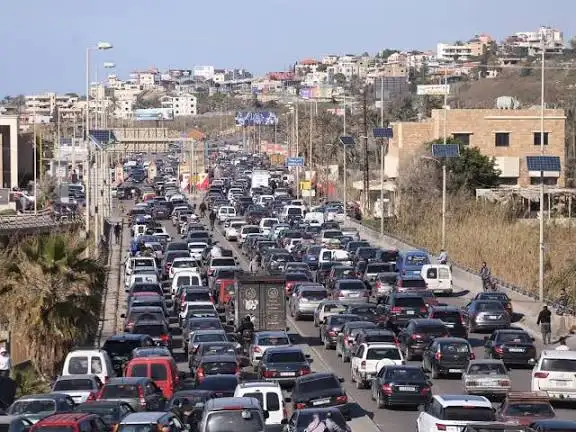
Humanitarian groups operating in both countries say the scale of movement has increased steadily as the conflict persists. Temporary shelters have been elished in schools, community centers, and religious buildings to accommodate those who cannot find private housing. Relief workers are providing food, clean water, and medical support where possible, but they warn that the number of displaced people could grow further if the conflict continues without a diplomatic breakthrough.
The sudden population shifts are also creating economic and logistical challenges for local governments. Communities receiving displaced residents must manage increased demand for public services such as healthcare, sanitation, and electricity. In some areas local markets have experienced supply shortages as the arrival of new residents places additional strain on already limited resources.
International humanitarian agencies have urged global partners to prepare for a prolonged displacement situation if the regional crisis continues. Relief organizations are calling for expanded financial support and coordinated planning to ensure that displaced families receive adequate assistance. As civilians continue to leave affected areas in search of safety, the humanitarian dimension of the conflict is becoming an increasingly urgent concern for governments and aid providers across the region.














Leave a comment