

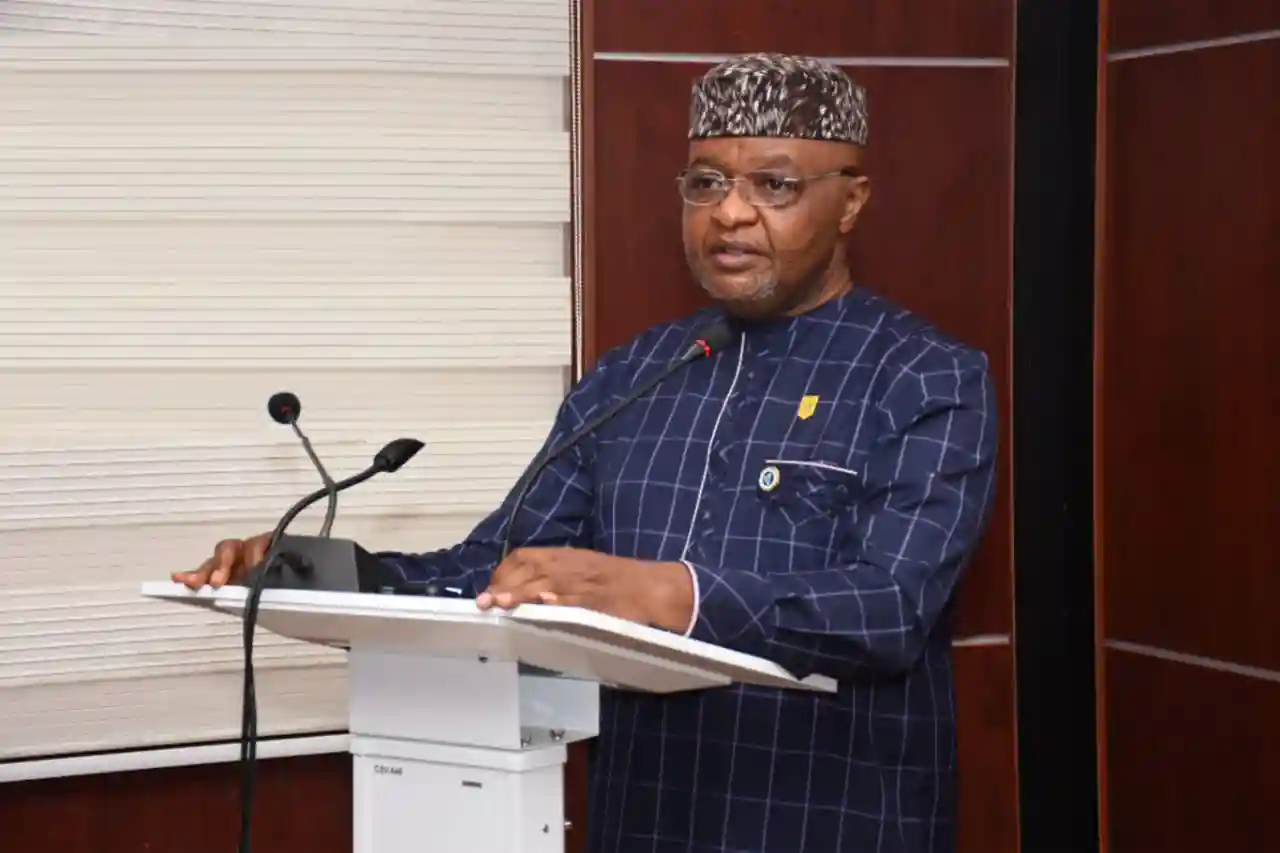
A prominent Nigerian academic has asserted that the unilateral actions of late Major Kaduna Nzeogwu during the 1966 military coup continue to cast a shadow over the Igbo people six decades later. Professor Okey Ikechukwu, a specialist in Strategic Management and Human Capital Development, described Nzeogwu’s behaviour as reckless, arguing that it sparked ethnic tensions and misperceptions that persist to this day.
Speaking during a television interview on Thursday, Ikechukwu emphasized that Nzeogwu acted independently without any mandate from the Igbo community. He pointed out that Nigerian elders at the time understood there had been a serious breakdown in military protocol and communication. The professor’s comments shed light on one of the most contentious periods in Nigerian history, when a group of young military officers attempted to overthrow the government, assassinating several senior political and military leaders in the process.
According to Ikechukwu, the ethnic dimensions of the coup were largely manufactured through subsequent mythology and political manipulation. He noted that Nzeogwu, despite being only a Major, ed some of Nigeria’s most respected leaders while his colleagues involved in the coup failed to execute their assigned targets. This discrepancy, combined with ethnic affiliations, led to accusations that the plotters deliberately spared certain individuals based on tribal loyalties. Such narratives, the professor suggested, were amplified by what he termed low grade politics.
The hierarchical breach committed by Nzeogwu particularly troubled Ikechukwu from a military perspective. He highlighted the extraordinary nature of a junior officer seizing a radio station, declaring a takeover, and then issuing commands to Brigars General and General Officer Commanding positions across the country. Such actions violated fundamental military protocol, where junior officers never issue instructions to senior commanders. Nzeogwu was not even a Lieutenant Colonel at the time, yet he presumed to direct officers several ranks above him.
Ikechukwu’s analysis touches on a wound that has never fully healed in Nigerian national consciousness. The 1966 coup and the counter coup that followed six months later are widely regarded as contributing factors to the Nigerian Civil War, which lasted from 1967 to 1970 and claimed an estimated one to three million lives. Perceptions about ethnic targeting during these coups helped fuel the secessionist movement that led to the declaration of the Republic of Biafra and the subsequent conflict.
As Nigeria continues to grapple with ethnic tensions and questions of national unity, scholarly reexaminations of the 1966 coup remain relevant to contemporary political discourse. Whether Ikechukwu’s call for a more nuanced understanding of these historical events will gain traction remains to be seen, but his intervention underscores the importance of separating individual actions from collective ethnic responsibility. Only through such careful historical analysis can Nigeria hope to move beyond the divisions that continue to complicate its path toward genuine national cohesion.















Leave a comment