

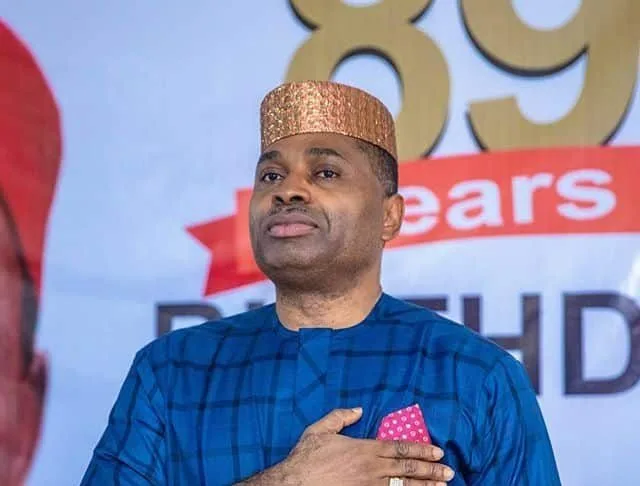
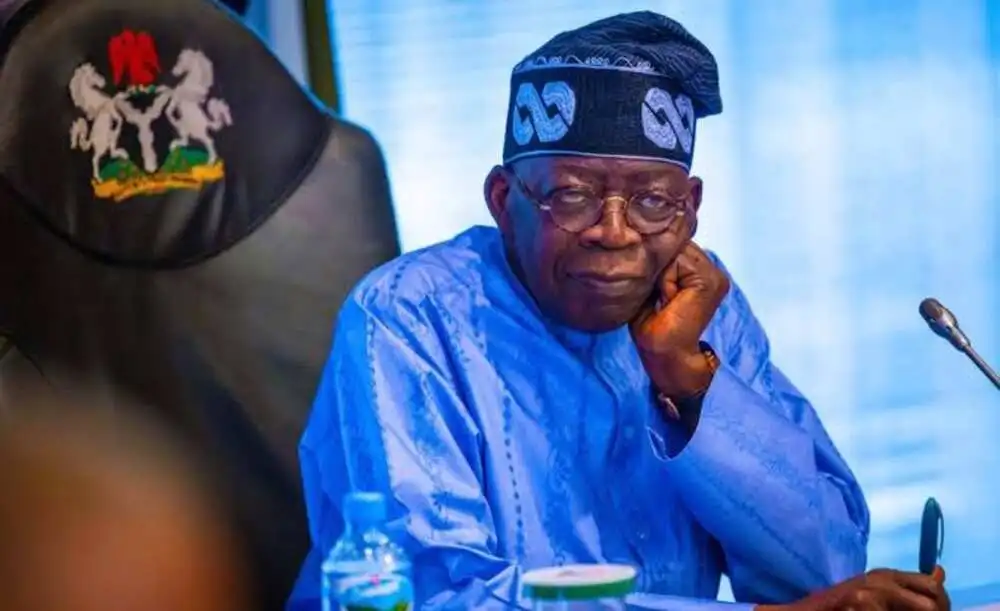
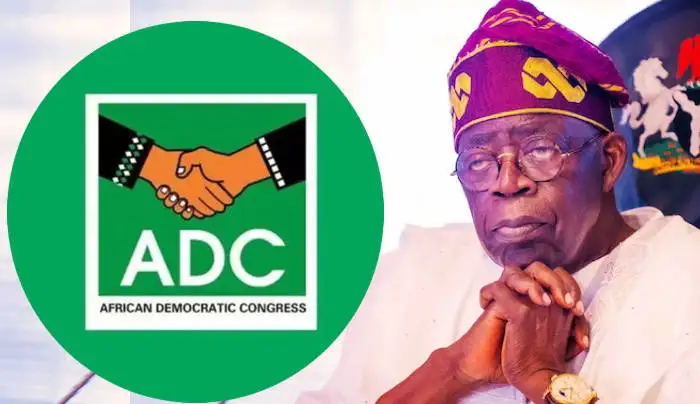
President Bola Tinubu is facing renewed criticism over his controversial fuel subsidy removal policy, with opposition figures accusing his administration of pushing millions of Nigerians deeper into poverty through what they describe as ill-advised economic decisions. Kenneth Okonkwo, a chieftain of the African Democratic Congress, declared during an appearance on Channels Television’s Sunday Politics that the president received poor counsel on the subsidy removal, arguing that Nigeria’s status as an oil-producing nation should eliminate any need for fuel subsis in the first place.
Okonkwo painted a stark picture of the economic reality facing ordinary Nigerians, noting that fuel now costs approximately N1,300 per litre, meaning a vehicle owner would need N130,000 to fill a 100-litre tank. This amount represents nearly twice the current N70,000 minimum wage, leaving workers unable to afford basic necessities like rent, food, or medical care. The ADC chieftain cited International Monetary Fund figures indicating that more than 35 million Nigerians are struggling to feed themselves, declaring that no responsible or compassionate leader would accept such induced poverty.
Beyond fuel prices, Okonkwo accused the Tinubu administration of practicing voodoo economics by presenting dubious statistics that contradict lived experiences. He questioned how the government could claim declining inflation while prices for food, transportation, and other goods continue rising, describing the situation as polished poverty wearing the mask of statistics. Former Vice President Atiku Abubakar joined the criticism, characterizing Tinubu’s subsidy removal as economic apartheid that takes relief from the poor and redirects benefits to wealthy elites.
Atiku’s statement came amid ongoing political sparring with the presidency over his proposal to restore a reformed fuel subsidy regime if elected in 2027. The former vice president argued that Tinubu’s approach represents an upside-down economy where capital receives subsis while citizens are denied relief. As the 2027 elections approach, fuel subsidy policy appears set to remain a central battleground between the current administration and opposition forces seeking to portray the government as insensitive to widespread suffering.







Leave a comment