

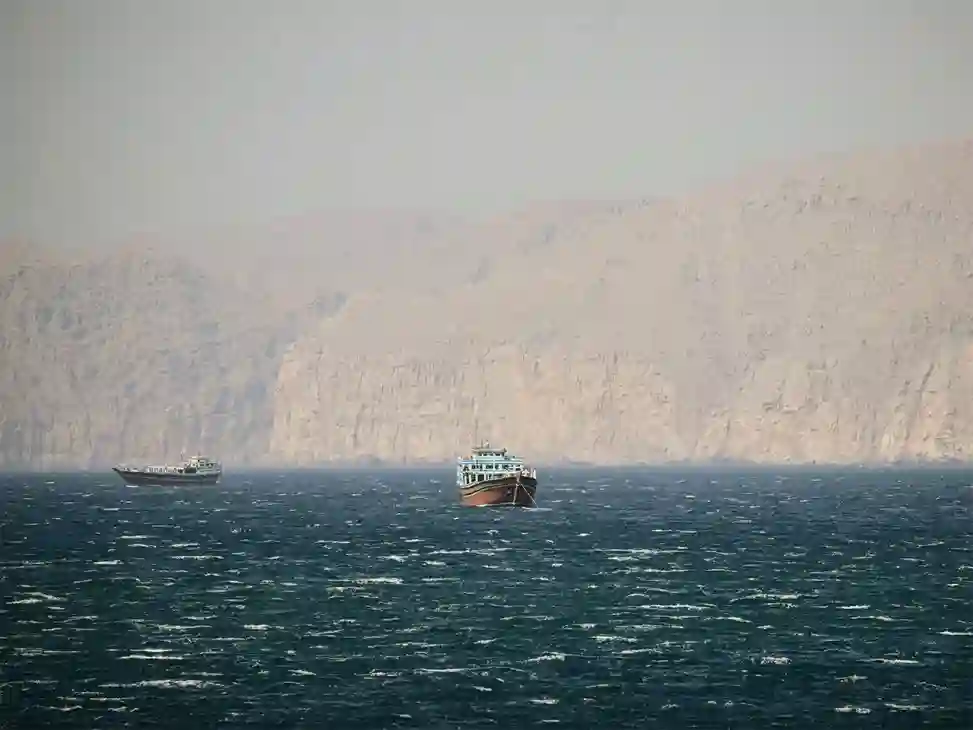
Iran’s supreme leader finds himself besieged on multiple fronts as the regime’s stranglehold on the strategically vital Strait of Hormuz deteriorates, the economy spirals into crisis, and senior political leaders break ranks to advocate for ending the ongoing conflict. The convergence of these pressures represents perhaps the most serious challenge to Tehran’s authority since hostilities began.
Nearly 200 vessels successfully navigated through the Strait of Hormuz last week under US Navy protection, marking a dramatic 400% increase over the previous fortnight, according to UK Maritime Trade Operations Center data. Maritime analysts at Kpler confirm this surge in traffic effectively signals Iran has surrendered partial control of the waterway, with many ships disabling transponders to slip through undetected while protected by American naval escorts.
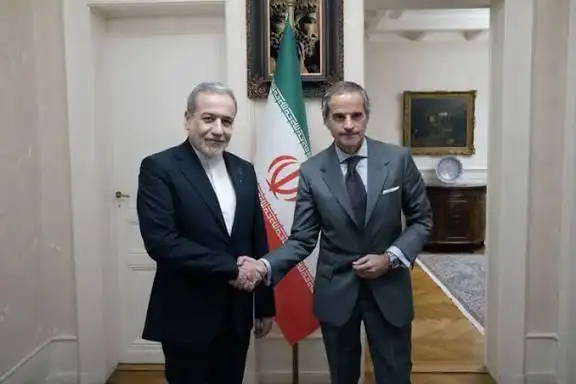
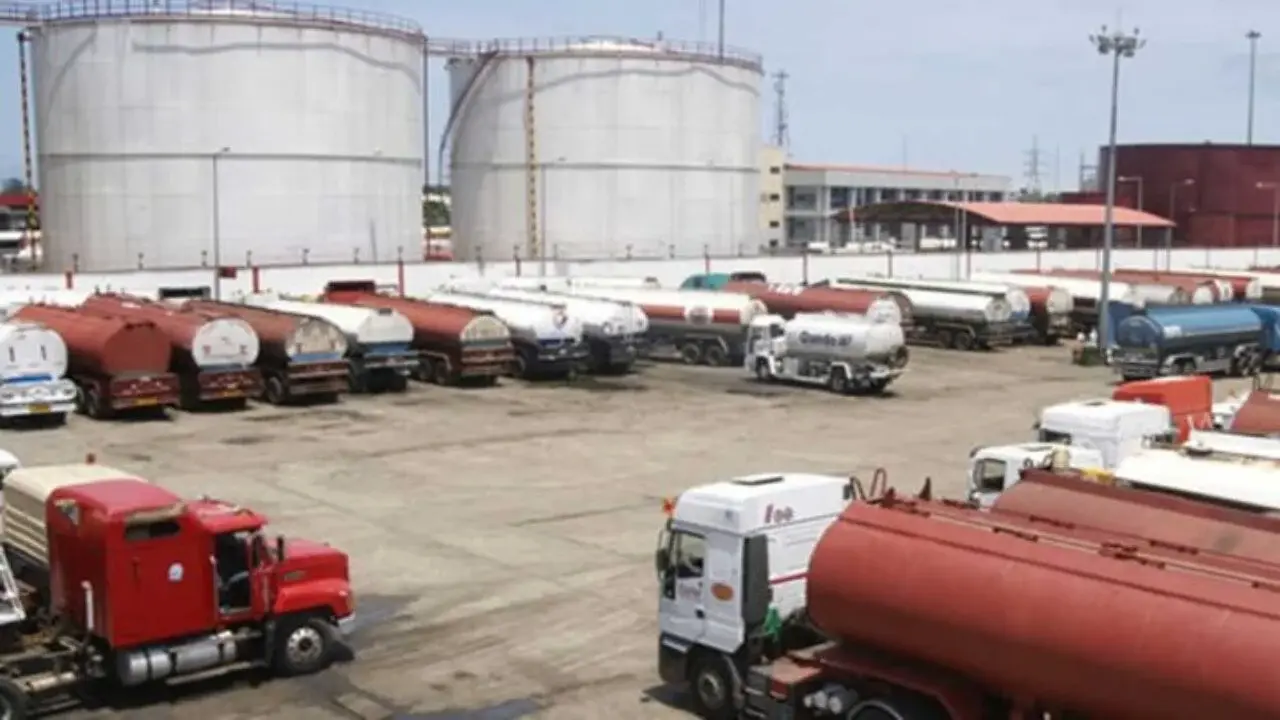
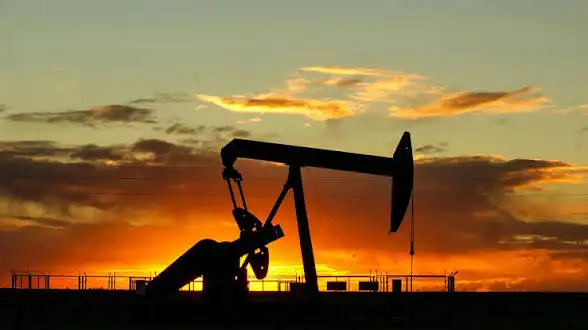
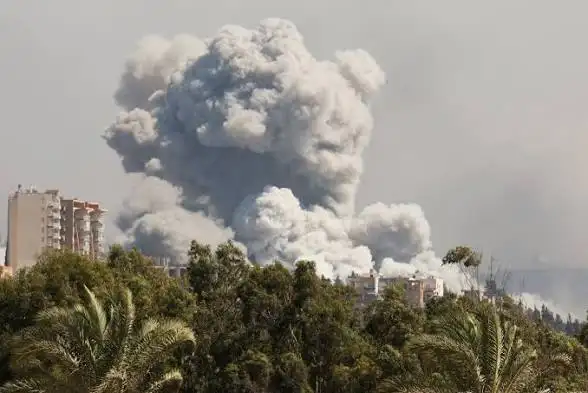
The economic toll has become equally devastating. Iran’s oil exports have plummeted to near zero under renewed American sanctions and President Trump’s intensified pressure campaign. Satellite imagery reveals virtually no activity at the crucial Kharg Island oil terminal, compounding existing problems of soaring inflation and unemployment. The United Arab Emirates’ decision to suspend all trade with Iran following renewed missile s has eliminated a critical backdoor that previously helped circumvent Western sanctions.
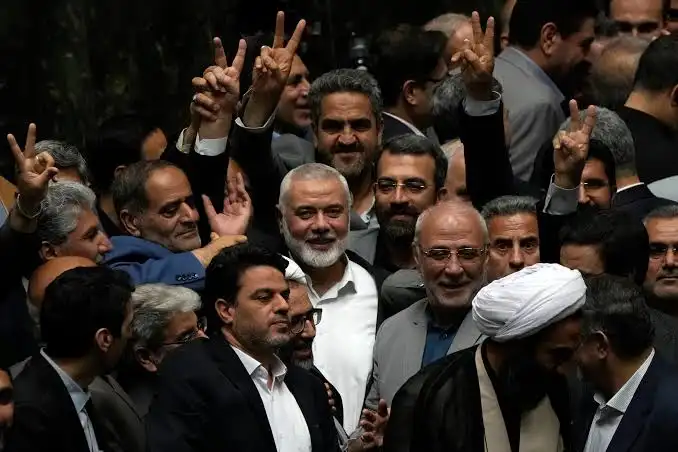
Most remarkably, fissures have emerged within Iran’s leadership itself. While hardliners insist they can withstand external pressure indefinitely, President Masoud Pezeshkian has acknowledged the mounting economic damage and suggested declaring victory before conditions deteriorate further. Parliament Speaker Mohammad Bagher Ghalibaf warned that military strength means nothing if citizens suffer economically, marking an unprecedented public debate about whether continuing the conflict serves Iran’s national interests.









Leave a comment