

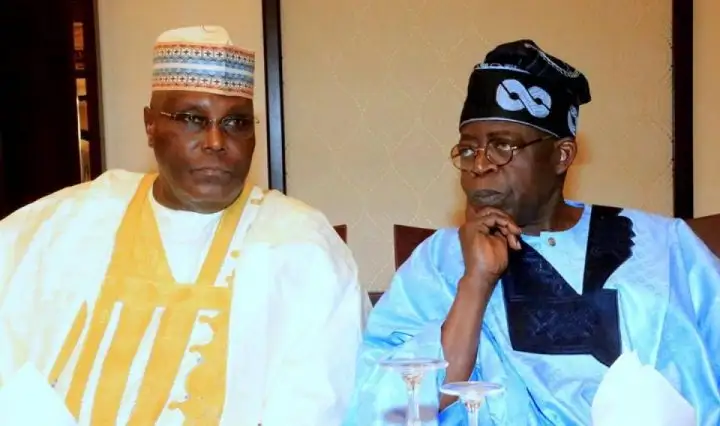
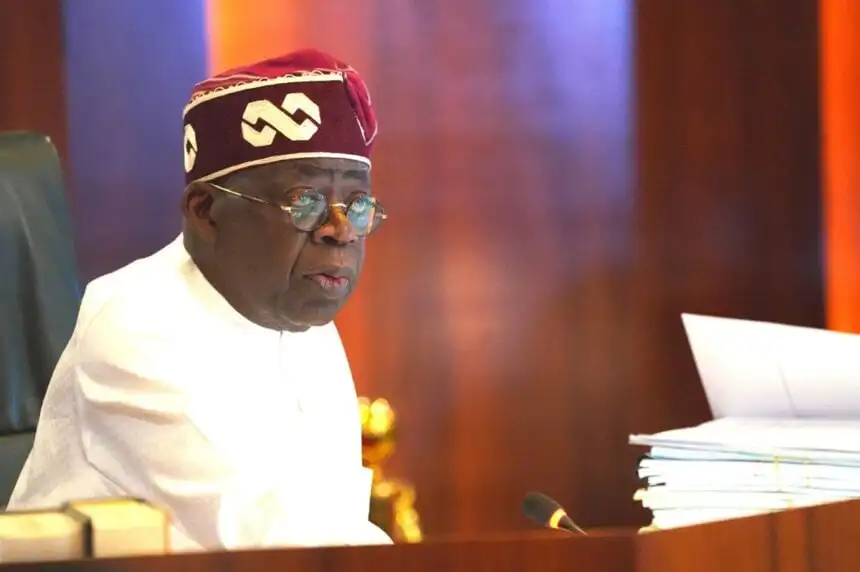
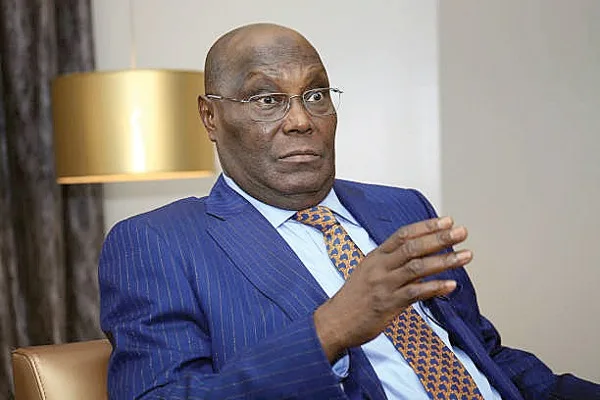
Former Vice President Atiku Abubakar has launched a scathing on President Bola Tinubu, alleging that federal government interference in the Nigerian Bar Association election represents a calculated dress rehearsal for rigging the 2027 general elections. The accusation, delivered through a statement from his media office on Thursday, paints a picture of systematic democratic erosion that extends from professional associations to the highest levels of electoral politics. Atiku contends that what is unfolding within the NBA demonstrates a troubling pattern of political manipulation that threatens the foundation of Nigerian democracy.
The former presidential candidate of the African Democratic Congress characterized the current administration’s approach as a toxic politics of coronation, where preferred candidates are imposed rather than democratically elected. According to Atiku, media reports indicate that government agents have weaponized the courts to pressure Bar Association members into accepting a predetermined outcome. This strategy, he argues, mirrors a broader blueprint being deployed against opposition parties through manufactured internal crises and systematic weakening of democratic institutions. The implication is clear: if the government can compromise the independence of the legal profession’s flagship organization, no institution remains beyond its reach.
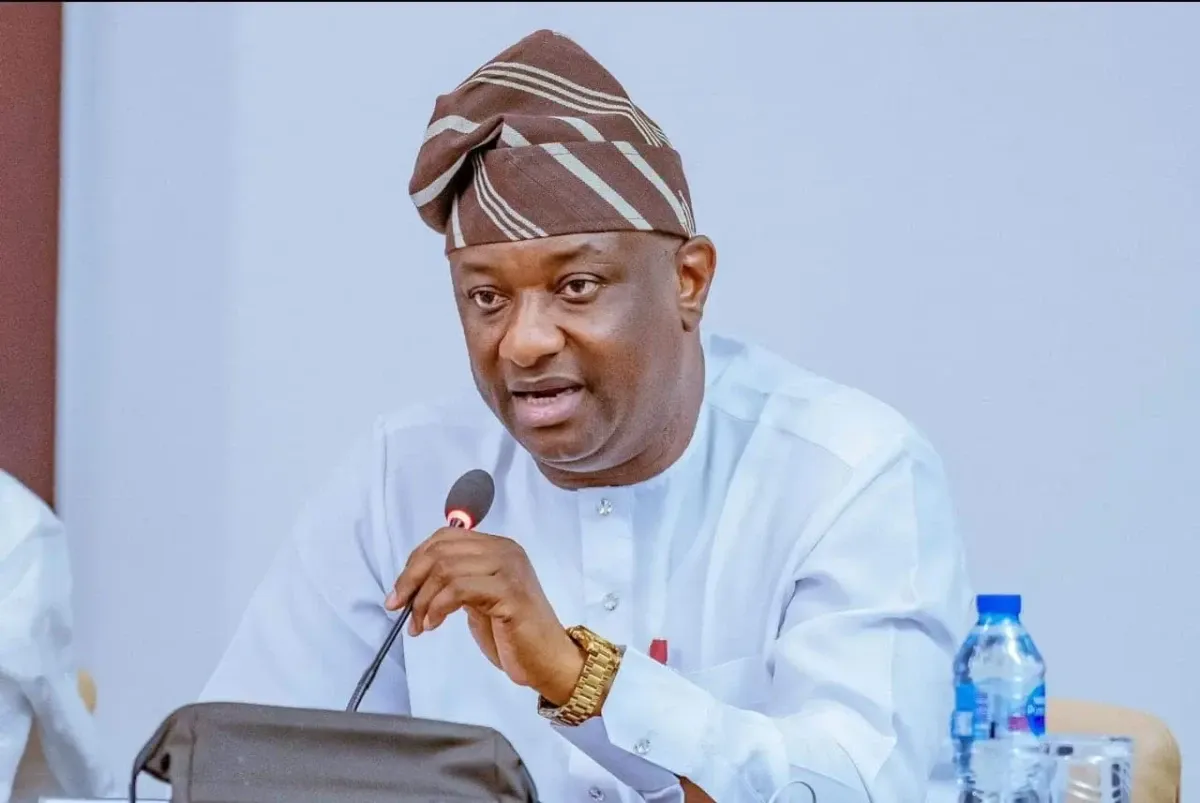
Central to Atiku’s complaint is the allegation that the Tinubu presidency attempted to force the disqualification of two prospective candidates through what he describes as arm twisting tactics. He maintains that the NBA election should remain the exclusive domain of the Electoral Committee of the Nigerian Bar Association, as elished under the NBA Constitution of 2015 and its subsequent amendments. Any deviation from this elished practice, he suggests, represents not merely procedural irregularity but a fundamental assault on institutional autonomy. The involvement of the Attorney General of the Federation in efforts to shift the polls, according to the statement, demonstrates how deeply government influence has penetrated what should be an independent electoral process.
Atiku’s statement went further to allege that government officials have deployed security agents to arrest service providers and actively frustrate the election process. This level of desperation, he argues, reveals the administration’s true intentions for the 2027 general elections, where similar tactics involving courts, electoral officials, and security apparatus could be deployed on a national scale. The former vice president issued a warning to government officials to allow the NBA to organize a democratic election and facilitate a smooth transition of power, suggesting ironically that this might offer President Tinubu a valuable lesson in democratic practice.
The accusations come at a sensitive moment in Nigerian politics, with the 2027 electoral cycle already casting long shadows over current governance. Opposition figures have repeatedly raised concerns about the independence of electoral institutions and the judiciary, pointing to court decisions in recent elections that favored the ruling All Progressives Congress. Atiku’s decision to frame the NBA election controversy as a microcosm of broader antidemocratic tendencies reflects a strategic effort to build a narrative of systematic election manipulation well ahead of the next general polls. Whether this resonates beyond opposition circles remains to be seen, but it signals that electoral integrity will be a central battleground in the coming political season.
For the Nigerian Bar Association, an organization that prides itself on defending rule of law and constitutional governance, these allegations pose uncomfortable questions about institutional vulnerability to political pressure. Legal practitioners have historically positioned themselves as guardians of democratic norms, making any perception of compromise in their own electoral processes particularly damaging. How the association navigates this controversy and demonstrates its independence may well set important precedents for other professional and civil society organizations facing similar pressures.
Looking ahead, Atiku’s intervention suggests that disputes over electoral processes at every level will likely intensify as Nigeria moves c to 2027. Opposition parties appear to be adopting a strategy of early and vocal resistance to what they characterize as preemptive election rigging, hoping that sustained public attention might constrain government actions. Whether these allegations hold sufficient weight to prompt reform or merely contribute to political noise will depend largely on the response of civil society, international observers, and ultimately Nigerian voters themselves. What remains certain is that questions of electoral integrity and institutional independence will dominate political discourse in the months and years ahead.

















Leave a comment