

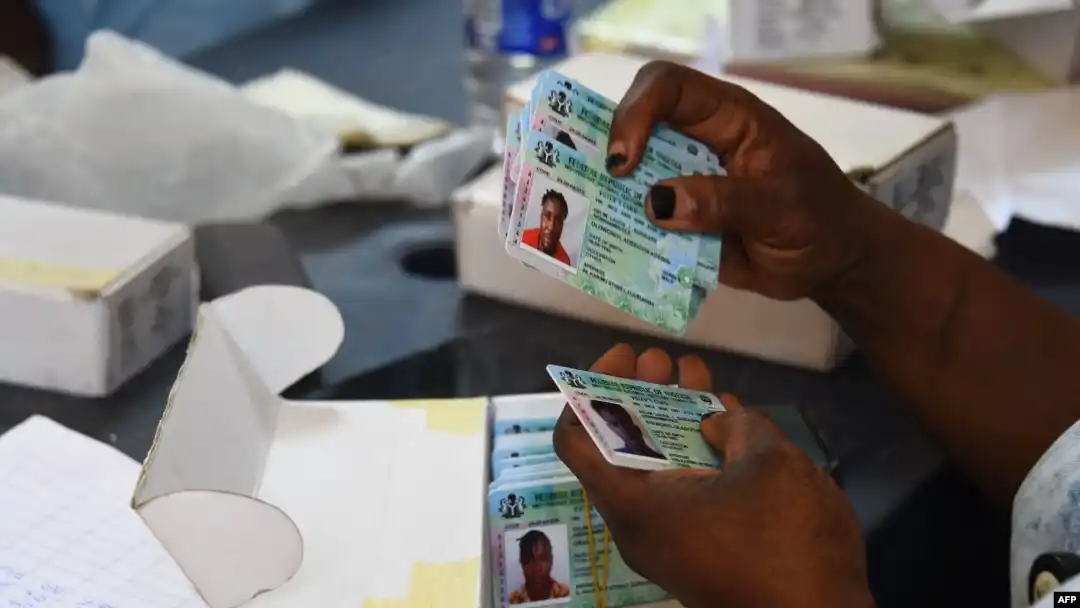
Nigeria’s electoral authority has launched a groundbreaking digital platform that will allow millions of eligible citizens to register for voter cards from their smartphones, marking a significant technological leap for a nation where election logistics have historically posed enormous challenges. The Independent National Electoral Commission announced on Tuesday that its new online self-service portal will enable first-time voters to complete the entire registration process remotely, including biometric capture, without setting foot in a physical registration center.
The digital transformation comes as part of the commission’s ongoing Continuous Voter Registration exercise ahead of future elections. Applicants can now visit the portal, create an account, and verify their National Identification Number before proceeding with registration. The system requires registrants to provide comprehensive personal details including name, date of birth, gender, occupation, residential address, educational qualification, state of origin, and disability status where applicable. Users must also select their preferred polling unit by navigating through their state, local government area, ward, and specific voting location.
Biometric data capture, traditionally a major bottleneck in Nigerian voter registration, has been reimagined for the mobile era. The commission confirmed that online registrants will use a dedicated mobile application to capture passport photographs and fingerprints directly from their smartphones. Beyond initial registration, the platform extends its functionality to allow existing voters to transfer their registration to different polling units, update or correct personal information, locate collection centers for their Permanent Voter Cards, and apply for replacements of lost, stolen, or damaged cards.
Recognizing that digital infrastructure remains uneven across Africa’s most populous nation, electoral officials have built in alternative pathways for citizens who lack access to the required technology. A pre-registration option accommodates applicants without a National Identification Number or those uncomfortable completing biometric capture on their phones. These individuals can complete their biographical data online before visiting designated registration centers solely for fingerprint and photograph capture, a hybrid approach designed to reduce waiting times and improve overall efficiency while maintaining inclusivity.
The digital rollout arrives alongside an extension of the nationwide registration deadline. The commission pushed back the closing date from July 10 to July 24, 2026, providing an additional two weeks for eligible Nigerians to take advantage of either the new online system or traditional in-person registration. Electoral experts view the extension as recognition that introducing new technology mid-cycle requires public education and adjustment time, particularly in communities where internet penetration and digital literacy vary significantly.
As Nigeria continues to grapple with questions about electoral integrity and voter access, this technological initiative represents a pivotal test of whether digital solutions can simultaneously increase participation and reduce opportunities for fraud. The success or failure of this portal could influence electoral modernization efforts across the continent, where many democracies face similar tensions between expanding access and maintaining security. Whether the platform can handle the scale of Africa’s largest democracy during peak registration periods, protect sensitive biometric data, and remain accessible to rural populations will determine if this digital gamble pays dividends when voters head to the polls in future election cycles.
You May Like






















Leave a comment