

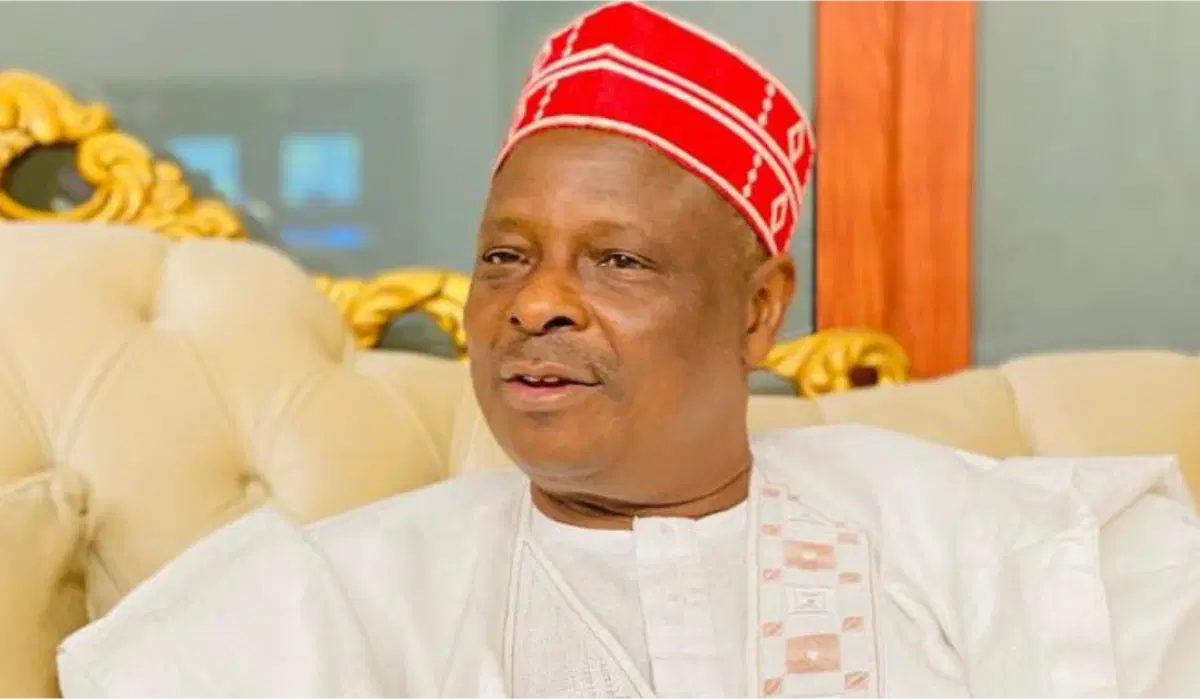
The decision by the Nigeria Democratic Congress to zone its 2027 presidential ticket to the South and return power to the North in 2031 has generated widespread reactions across Nigeria’s political landscape.
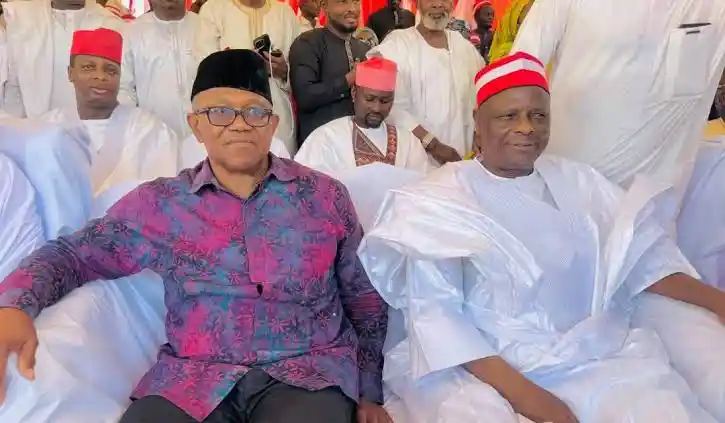
The development followed the recent defection of former Anambra State Governor Peter Obi and former Kano State Governor Rabiu Musa Kwankwaso from the African Democratic Congress to the NDC. Political observers believe both men could emerge as the party’s presidential and vice presidential candidates ahead of the 2027 election.
Reacting to the arrangement, founding National Chairman of All Progressives Grand Alliance, Chekwas Okorie, described the zoning decision as a masterstroke capable of reshaping the political landscape if the party presents an Obi and Kwankwaso ticket.
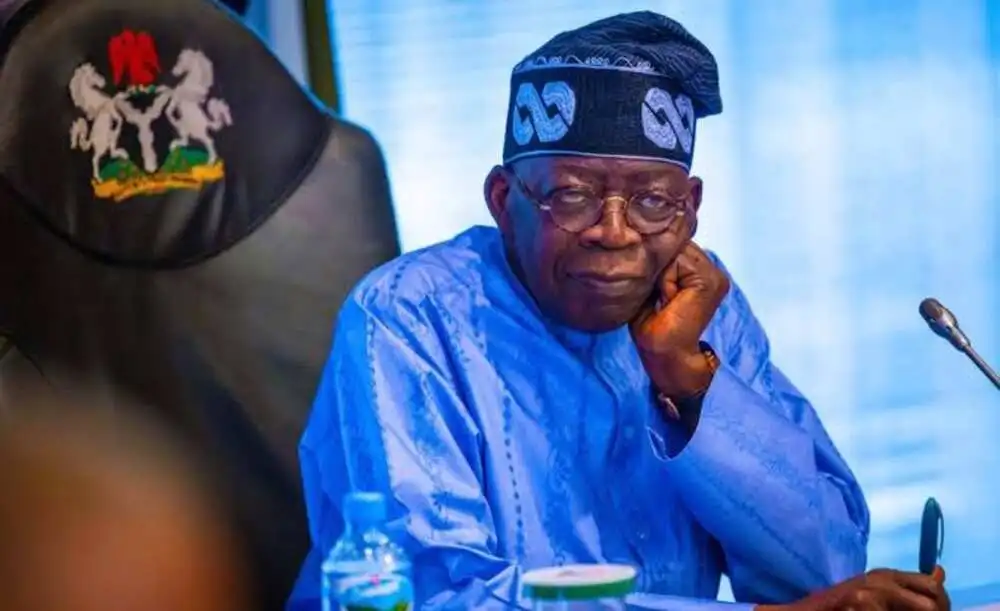
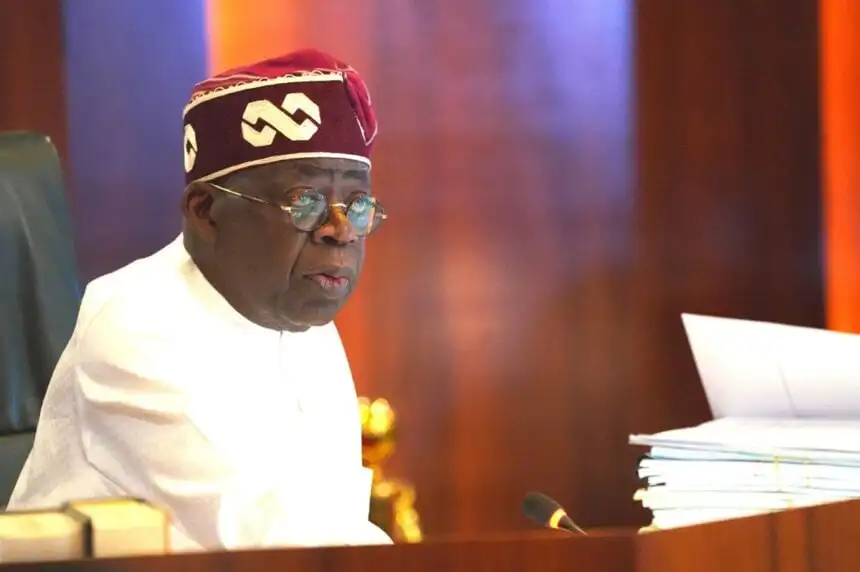
Okorie argued that Obi’s popularity across southern Nigeria combined with Kwankwaso’s northern political influence could create a formidable alliance against President Bola Ahmed Tinubu and the ruling All Progressives Congress.
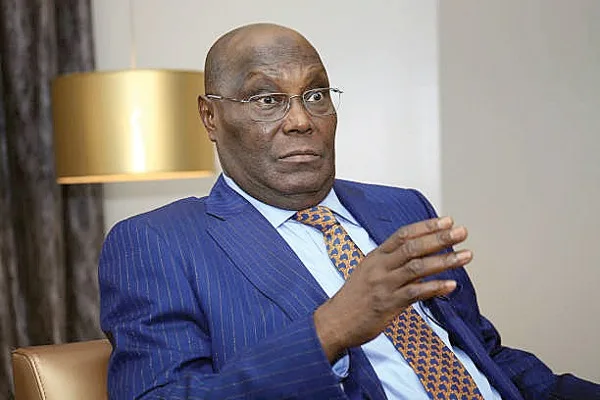
Former presidential adviser Akin Osuntokun also praised the zoning formula, saying it promotes national integration and political balance. However, he warned that the possible participation of former Vice President Atiku Abubakar could divide northern votes and weaken the strength of an Obi Kwankwaso alliance.
On the other hand, Minister of Aviation and Aerospace Development Festus Keyamo dismissed the arrangement as a political gimmick. He questioned the credibility and enforceability of the agreement, describing it as “political 419.”
Former Labour Party chieftain Peter Ameh commended the NDC for zoning the ticket to the South, insisting that fairness demands that southern Nigeria retain the presidency until 2031 after former President Muhammadu Buhari’s eight year tenure.
The Southern and Middle Belt Leaders Forum also backed the decision and called on all political parties to zone their presidential tickets to the South in the interest of equity and national ility.
Political analysts say the zoning arrangement could become a major factor in shaping alliances, defections and campaign strategies ahead of the 2027 presidential election.














Leave a comment