

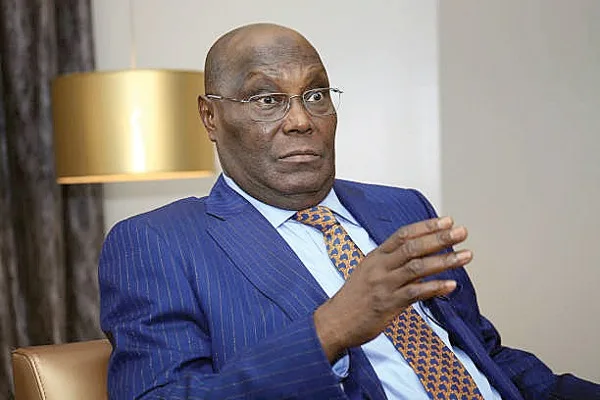
African Democratic Congress presidential candidate Atiku Abubakar has promised to overhaul the Nigerian Education Loan Fund and forgive debts for qualifying students if elected. According to his Senior Special Assistant on Public Communication, Phrank Shaibu, young Nigerians shouldn’t start their careers crushed by education loans.
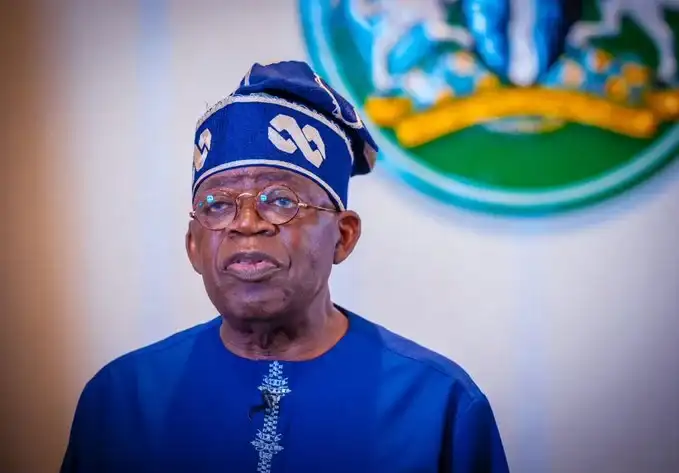
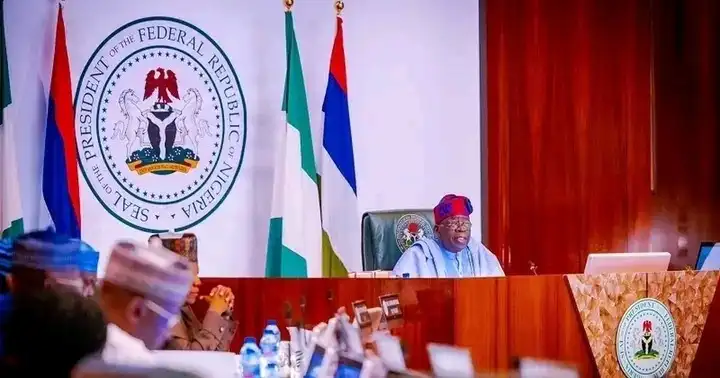
The pledge came Tuesday in response to President Bola Tinubu’s recent defense of the student loan scheme. But what exactly makes Atiku’s approach different from the current system?
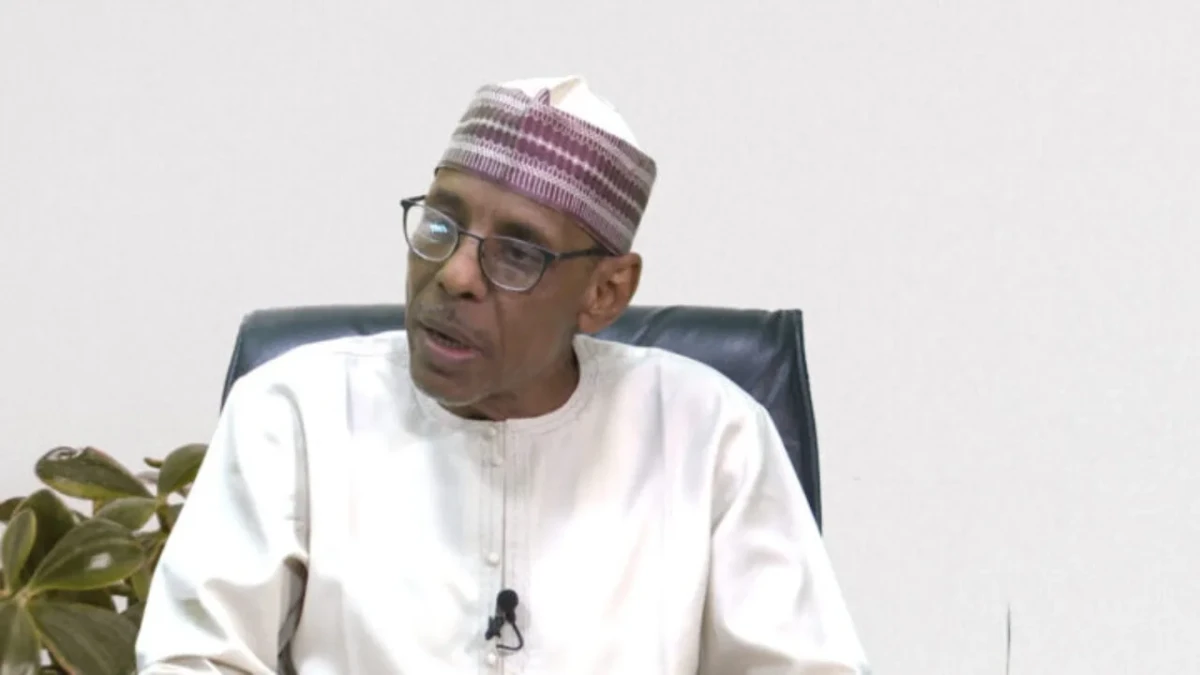
Shaibu argued the Federal Government created the problem it now claims to solve. “You make education more expensive, lend students money to survive the increase, and then demand applause for the rescue,” he said. The critique centers on rising tuition costs that preceded NELFUND’s introduction, making loans necessary rather than optional.
According to Atiku’s camp, genuine education reform should reduce underlying costs rather than simply offer financing. “Education should open doors, not mortgage the future,” Shaibu stated, drawing a sharp line between loans and scholarships.
The real measure of success isn’t whether students can borrow. It’s whether families can afford school without debt at all. That distinction shapes the entire debate over Nigeria’s education financing strategy as 2026’s political campaigns intensify.










Leave a comment