

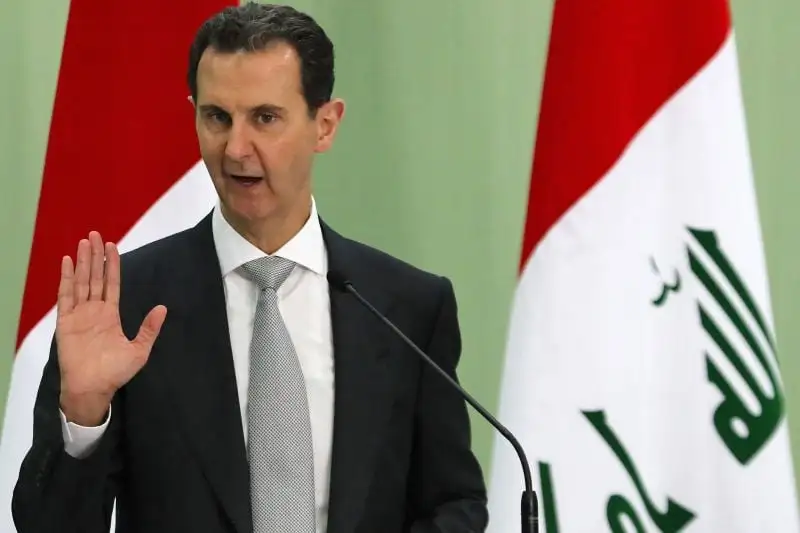
A Syrian court delivered an extraordinary verdict on Tuesday, sentencing ousted President Bashar Assad and his younger brother Maher to death in absentia for crimes against humanity and war crimes committed during a devastating 14 year conflict that claimed approximately half a million lives. The landmark ruling represents a pivotal moment in Syria’s attempt to reckon with the atrocities that tore the nation apart and displaced millions across the globe.
Alongside the Assad brothers, the court also condemned Atef Najib, Assad’s maternal cousin and a former brigar general, to death for his role in orchestrating the brutal crackdown in Daraa province that ignited the initial uprising in 2011. Unlike his more powerful relatives who escaped justice by fleeing to Russia when insurgents swept into Damascus in December 2014, Najib was apprehended and has become one of the highest ranking officials from the former regime to face trial. He stood inside a cage wearing a prisoner’s uniform as the judge delivered the sentence, a stark visual reminder of how thoroughly the power structure has collapsed.
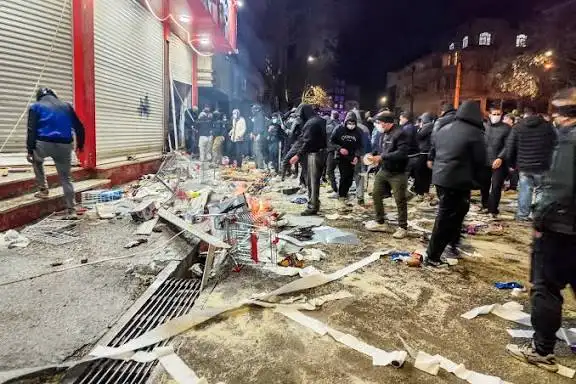
Najib served as head of the Political Security Branch in Daraa province during the critical early months of 2011, when peaceful protests demanding reform were met with savage repression. His security forces’ response to demonstrations in the southern city proved to be a catastrophic miscalculation that transformed localized discontent into a nationwide rebellion. What began as calls for democratic reforms and the release of political prisoners escalated into a full scale civil war that would draw in regional and international powers, fracture the country along sectarian lines, and create one of the worst humanitarian catastrophes of the 21st century.
Security was exceptionally tight around the Damascus courthouse as the verdict was read, reflecting both the symbolic importance of the proceedings and ongoing concerns about ility in post Assad Syria. While the sentences against Bashar and Maher Assad are purely symbolic given their asylum in Russia, which shows no indication of extraditing them, the trial of Najib sends a powerful message about accountability. Legal experts note that these proceedings may elish important precedents for how Syria handles the thousands of lower level officials who carried out orders during the conflict.
Russia granted asylum to the Assad family after the regime’s sudden collapse, effectively placing them beyond the reach of Syrian justice and any potential international tribunal. Moscow has maintained its protective stance toward the former Syrian leadership, viewing them as legitimate partners during years of military intervention that propped up the government against various rebel factions. Despite international pressure and calls for accountability, Russian authorities have shown no willingness to cooperate with Syrian courts or international justice mechanisms seeking to prosecute Assad era officials.
As Syria continues its painful transition, Tuesday’s verdicts underscore the immense challenge of achieving justice and reconciliation in a country scarred by years of violence. Survivors of torture, families of the disappeared, and communities devastated by chemical weapons s have long demanded accountability for those responsible. Whether these court proceedings can provide meaningful closure or simply serve as symbolic gestures remains uncertain, but they represent an essential step in documenting the crimes committed and affirming that even the most powerful leaders cannot escape judgment forever, even if enforcement remains elusive for now.
You May Like


















Leave a comment