

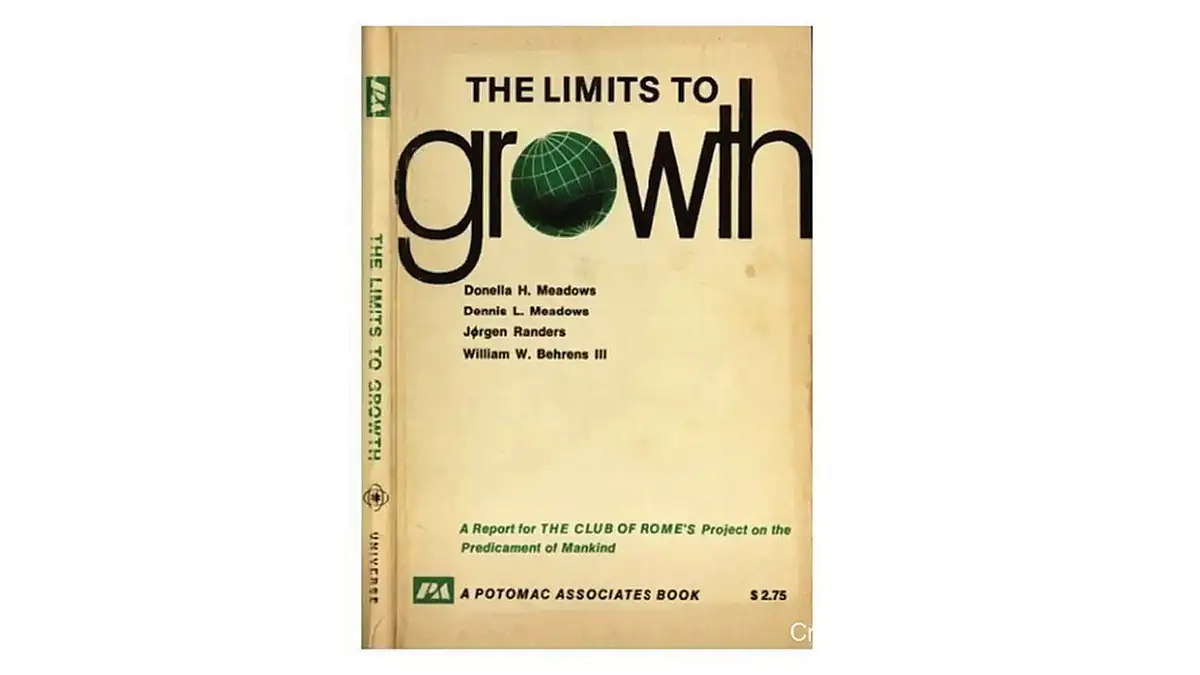
The numbers don’t lie, even when we’d prefer they did. A January 2026 analysis by KPMG revisited the controversial 1972 MIT Limits to Growth report and found soing unsettling: we’re eighteen months ahead of the worst-case scenario. The original study used five critical variables to model civilization’s trajectory, including population growth, resource depletion, and pollution levels. Critics spent decades dismissing it as doomsday fearmongering. The data suggests otherwise.
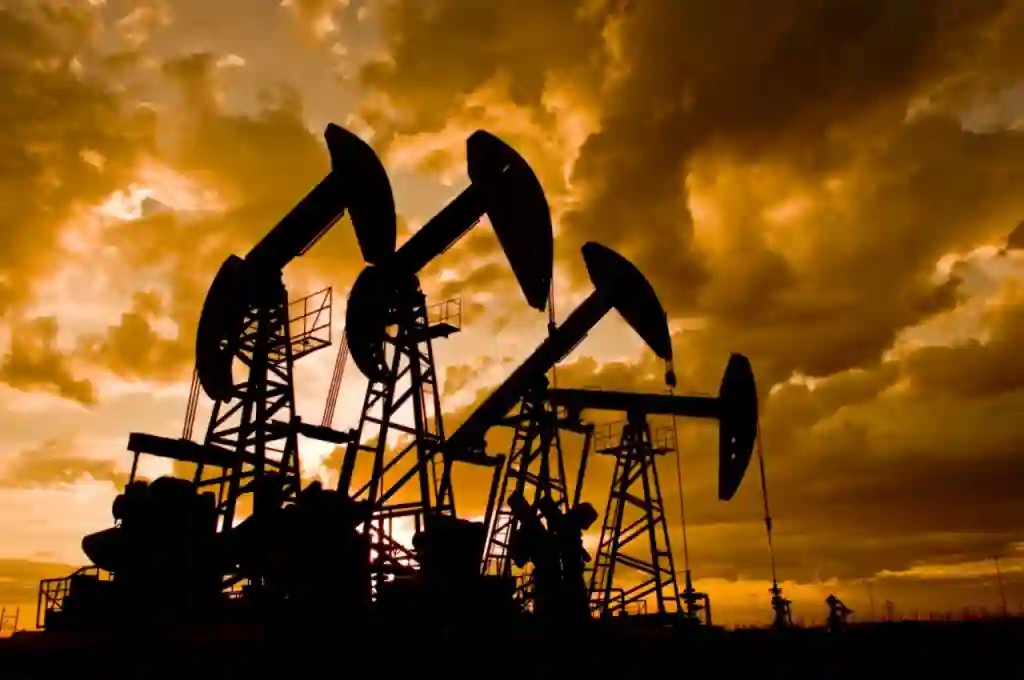
Twenty-seven of thirty key indicators now exceed the 1972 projections. Global population hit 8.2 billion after adding a billion people in just twelve years. Food production plateaued in 2023 despite increased fertilizer use, signaling diminishing returns on agricultural efforts. Energy return on investment for fossil fuels has dropped below the critical 15:1 threshold, meaning we’re burning more energy to extract energy than ever before.

The financial system isn’t helping. Global debt reached $307 trillion in early 2026, representing 333% of worldwide GDP. That’s not a figure you grow your way out of. Thirty-seven countries are now piloting programmable digital currencies with built-in expiration dates and spending restrictions, while the derivatives market has ballooned past one quadrillion dollars in notional value.
What comes next isn’t speculation anymore. The reassessment points to visible cascading failures beginning by late 2027, with full systemic rupture between 2032 and 2038. Whether we’re ready or not, the math is already in motion.


















Leave a comment