

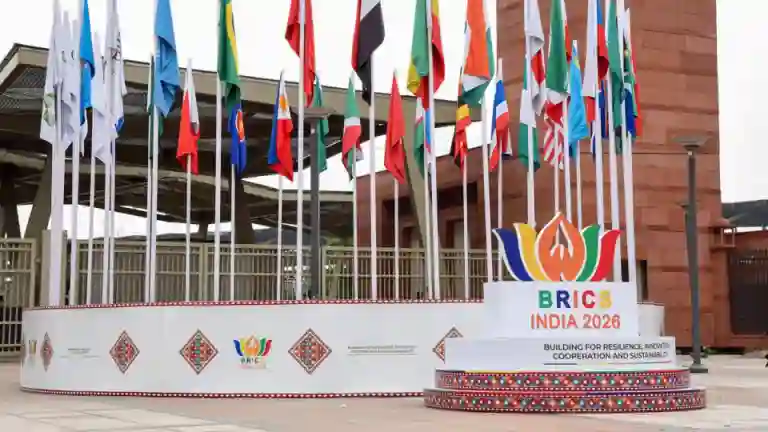
Two significant diplomatic developments are unfolding across Asia as regional powers navigate complex political terrain. The BRICS summit has produced a joint statement following intense negotiations among member nations, marking a notable achievement for the expanded grouping. Iran, Saudi Arabia and the UAE reportedly reached consensus on key issues, demonstrating the bloc’s capacity to forge common ground despite divergent interests.
Halfway across the continent, Japan’s government made an extraordinary exception to its strict sanctions policy. North Korean athletes received approval to enter the country for the upcoming Nagoya Asian Games. The first concrete sign of this policy shift came on September 11th when North Korea’s men’s football team arrived in Osaka.
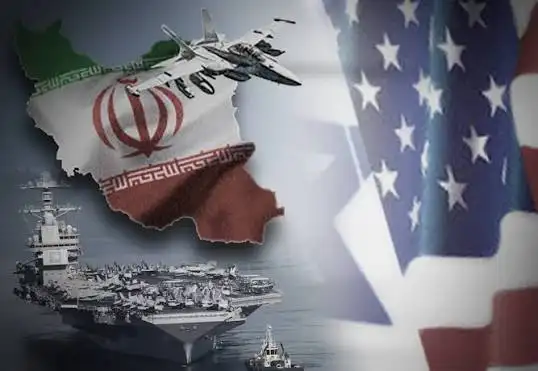
What prompted this rare diplomatic flexibility? Japan has maintained rigid economic and travel restrictions against North Korea for years, citing security concerns over Pyongyang’s nuclear and ballistic missile programmes. Yet the pull of international sporting tradition proved stronger than political divisions.
The move represents a delicate balancing act. Tokyo must uphold Olympic principles while enforcing national security measures against a nation it considers a direct threat. Sports diplomacy has once again demonstrated its unique ability to transcend barriers that conventional diplomacy cannot breach.
Both developments signal that even in an era of heightened geopolitical tensions, dialogue channels remain open when mutual interests align. The world’s watching closely.
You May Like



















Leave a comment