


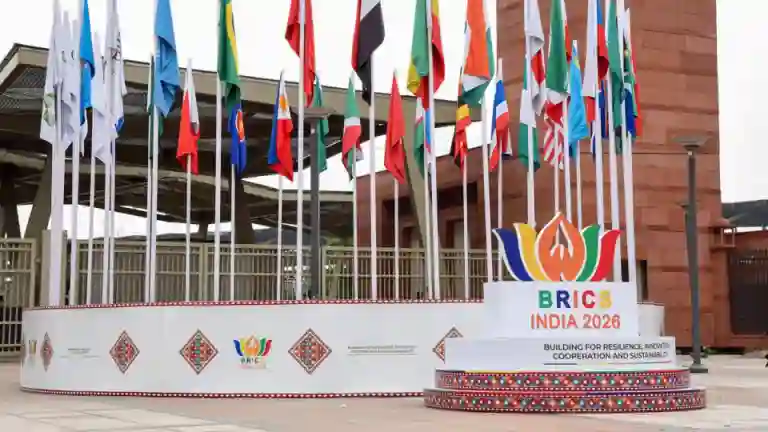
Two significant diplomatic developments are unfolding across Asia this week, reshaping regional dynamics in unexpected ways. Prime Minister Narendra Modi’s meeting with Chinese President Xi Jinping at the BRICS summit in New Delhi has placed India-China relations under intense global scrutiny, with border ility, trade imbalances and maritime security dominating the agenda between the Asian giants.
The bilateral discussions come at a time when both nations are navigating complex territorial disputes and economic interdependencies. What exactly can be achieved when political tensions run this deep? Observers are watching closely to see whether concrete agreements emerge or if the meeting remains largely symbolic.
Sports diplomacy takes centre stage.
In a separate but equally remarkable development, Japan has made a rare exception to its strict sanctions regime by allowing North Korean athletes to enter the country for the upcoming Nagoya Asian Games. The North Korean men’s football team arrived in Osaka on September 11th, becoming the first delegation from Pyongyang to touch Japanese soil under this special dispensation.
Japan maintains comprehensive economic and travel sanctions against North Korea due to its nuclear weapons programme and ballistic missile tests. Yet the government chose to prioritize the Olympic spirit over political barriers, demonstrating how major sporting events can transcend even the deepest diplomatic freezes.
Both situations reveal how nations balance competing interests, whether it’s managing powerful neighbors or upholding international sporting traditions despite security concerns.
You May Like












Leave a comment