


Nigeria’s economic realities came under sharp focus this week as two contrasting narratives emerged. While the country’s largest refinery struggles to secure sufficient local crude oil, government officials claim the average Nigerian can comfortably live on N3,000 per day.
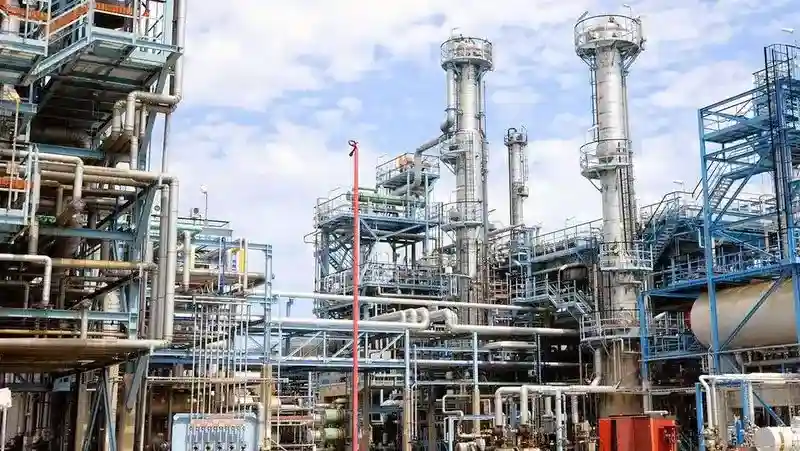
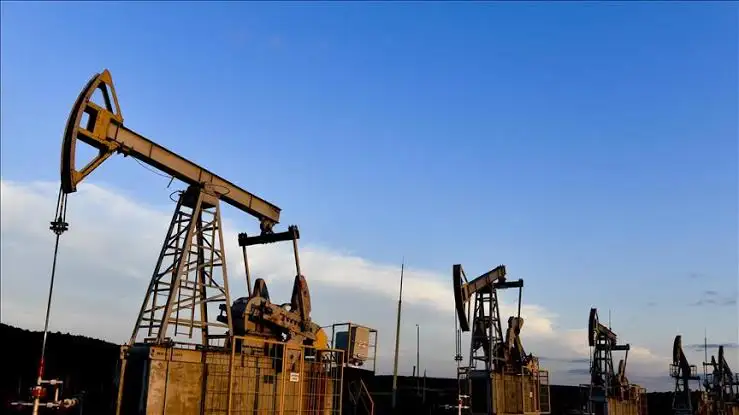
The Dangote Refinery, Africa’s largest at 700,000 barrels per day capacity, has secured at least 16 million barrels of crude for October delivery. The Lagos-based facility is increasingly looking beyond Nigeria’s shores, purchasing oil from Guyana, Libya and the United States to meet its voracious appetite. According to Kpler data, the refinery received 565,000 barrels per day of Nigerian crude in August, nearly double last year’s 280,000 barrels daily average. Still, that’s not enough.
In a separate development, Reno Omokri, Nigeria’s Ambassador-designate to Mexico, defended his position that N3,000 is adequate for daily survival. Speaking on a television programme, Omokri claimed he visited markets and checked prices of yam, rice, maize and fruits to reach his conclusion. His comments sparked immediate controversy across social media platforms.
Can the typical Nigerian household truly survive on such an amount? Omokri insisted context matters, arguing that poverty assessments must reflect each country’s economic realities rather than international benchmarks like the World Bank’s $2 daily standard.
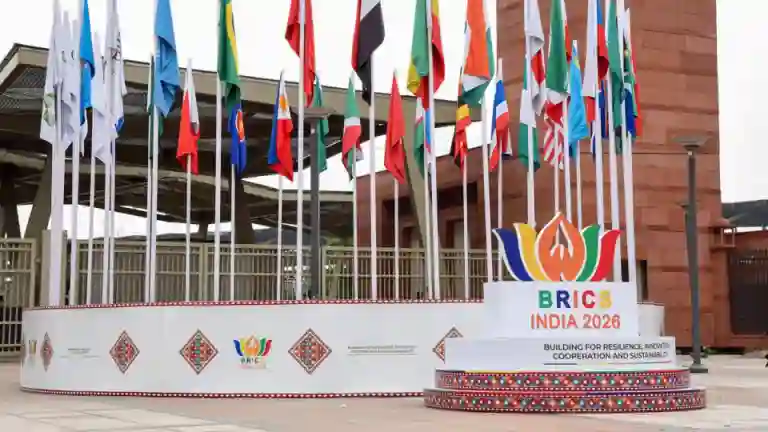
Meanwhile, Prime Minister Narendra Modi met with Nigerian Vice President Kashim Shettima at the BRICS Summit, discussing cooperation in trade, energy, defence and digital technologies. The timing underscores Nigeria’s dual challenge of securing energy infrastructure while addressing domestic cost of living concerns.
You May Like














Leave a comment