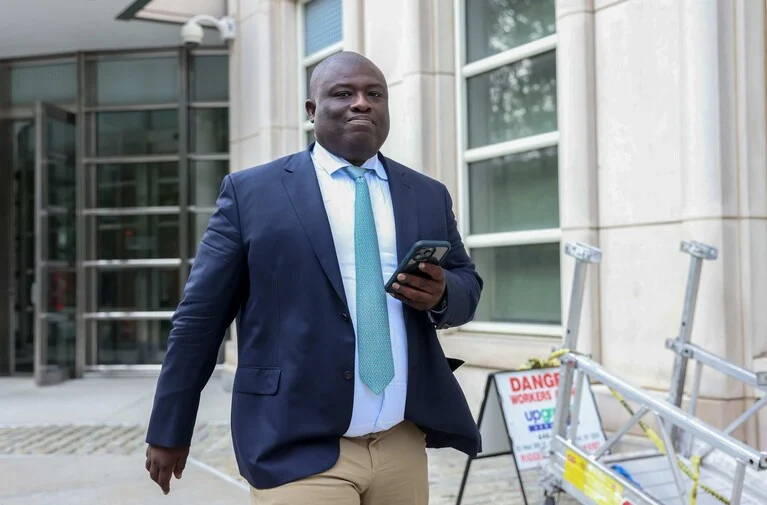
A former Goldman Sachs executive director has been found guilty of orchestrating a sophisticated bribery scheme that funneled more than $1 million to Ghanaian government officials in exce for securing approval of a major power plant development project. Asante Kwako Berko, a dual U.S. and Ghanaian citizen, was convicted on Thursday by a federal jury that reviewed extensive evidence showing how he and his accomplices corrupted the procurement process to benefit a Turkish energy company seeking to build and operate electrical infrastructure in the West African nation.
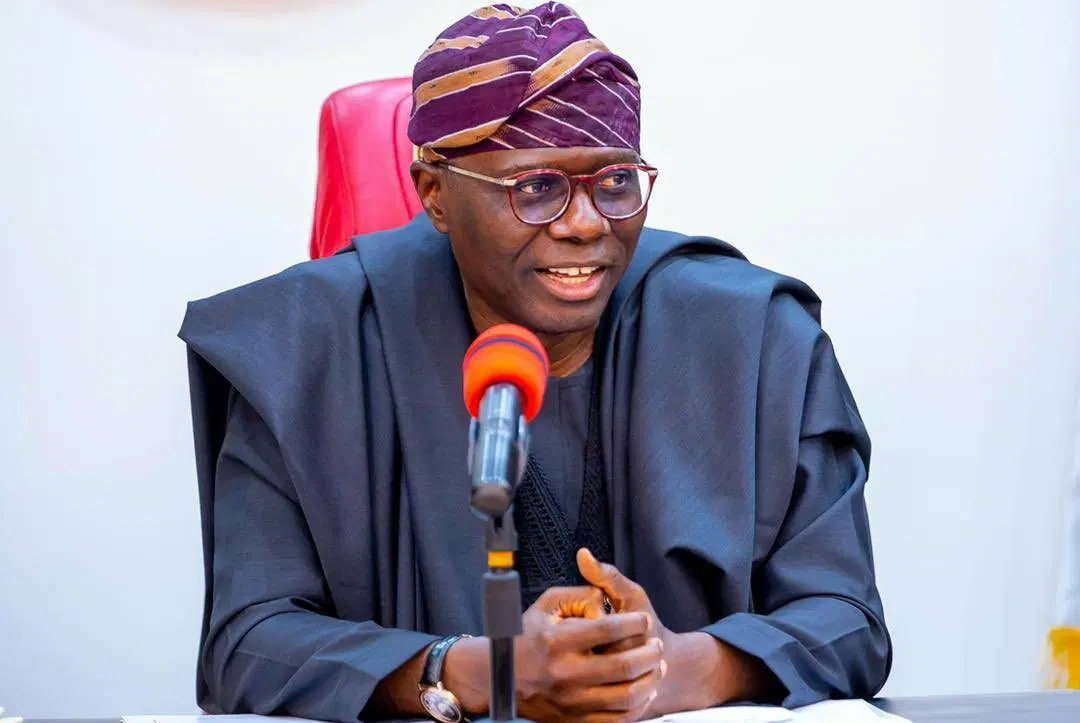
Berko’s downfall stems from his actions in December 2014 when, serving as an Executive Director in the Investment Banking Division at Goldman Sachs, he managed negotiations between Turkish firm Aksa Enerji and the Ghanaian government. Court documents revealed that Berko conspired with others to route payments through intermediaries, ensuring that Aksa Enerji would win the lucrative contract despite what should have been a competitive bidding process. The scheme represented a clear violation of the Foreign Corrupt Practices Act, which prohibits American individuals and companies from bribing foreign officials to obtain or retain business.
Prosecutors presented damning evidence showing the breadth and audacity of the corruption operation. In April 2015, Berko and his accomplices discussed arranging a $1 million payment directly to Ghana’s Minister of Power, whose approval was essential for the project to move forward. Beyond this substantial inducement, the conspirators also organized an all expenses paid trip to Turkey for five Ghanaian officials, ostensibly to inspect equipment for the proposed power plant. Each official received $5,000 in cash during the junket, which prosecutors characterized as a thinly veiled attempt to secure their cooperation and favorable treatment.
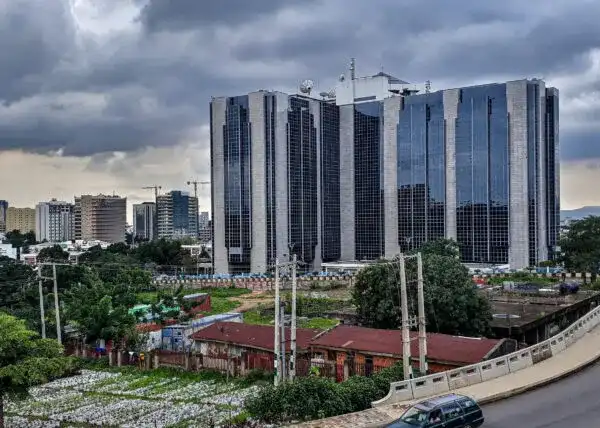
Following the Ghanaian parliament’s ratification of the power station agreement in July 2015, the 52 year old banker and his co-conspirators exced self-incriminating emails discussing their illicit payments. Evidence presented at trial demonstrated an elaborate money laundering operation designed to obscure the origin and destination of the bribe payments. Prosecutors detailed how the group employed sham invoices, shell companies, nominee account holders, and strategic cash withdrawals to move money through both domestic and international banking systems. Multiple accounts bearing Berko’s name were used to launder funds in furtherance of the scheme, creating a paper trail that ultimately contributed to his conviction.
When Goldman Sachs’ compliance team began vetting the deal and questioning irregularities, Berko denied any involvement in corrupt activities. His deception proved unsuccessful. Goldman eventually withdrew from the project entirely due to mounting corruption concerns, though not before the damage to its reputation had been done. Berko, who previously served as a Managing Director of Ghana’s Tema Oil Refinery, was extradited to the United States from the United Kingdom in July 2024 after what legal observers describe as a lengthy international pursuit of justice.

Berko now faces a maximum penalty of 30 years in prison when he appears for sentencing on November 10. A federal judge will ultimately determine the appropriate term of imprisonment based on sentencing guidelines and the severity of the offense. Legal experts note that the conviction sends a powerful message about American enforcement of anti-corruption laws, particularly in international infrastructure deals where bribery has historically been difficult to detect and prosecute. The case also highlights the continued vulnerability of developing nations to corrupt practices that undermine democratic governance and divert resources from citizens who desperately need reliable electrical infrastructure.








Leave a comment