

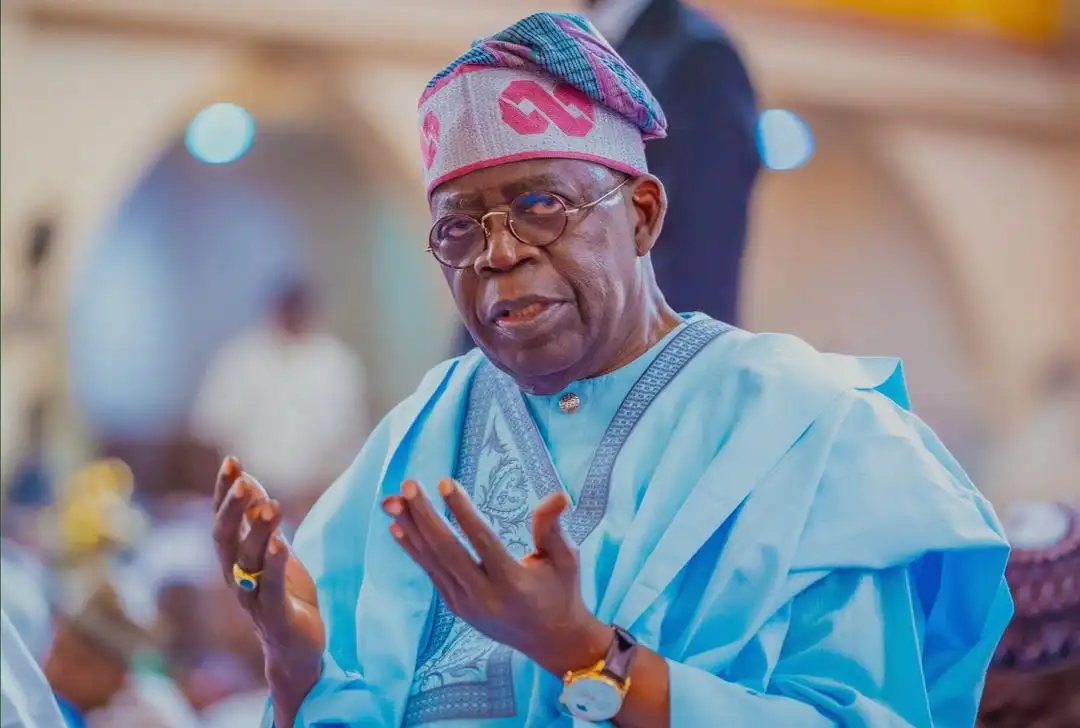
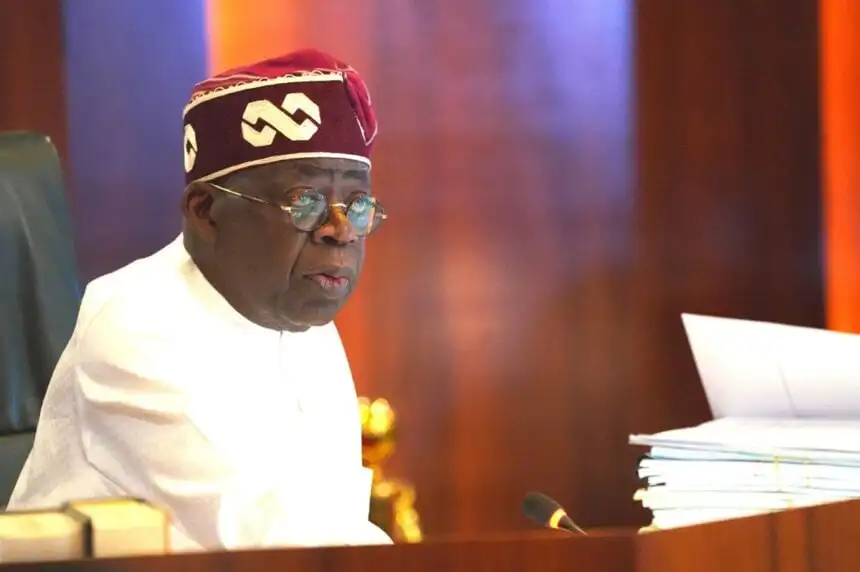
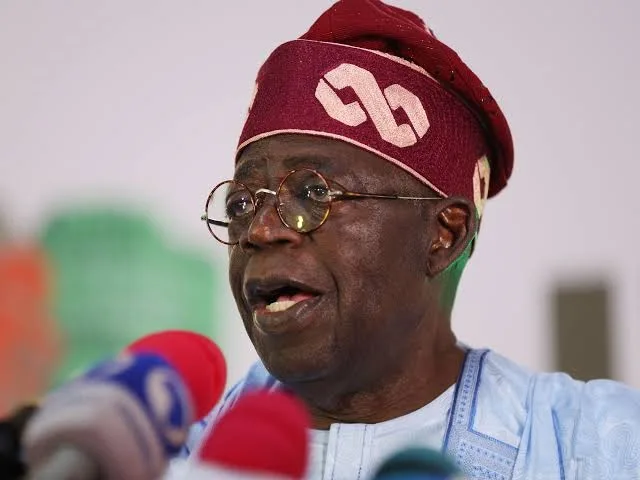
President Bola Tinubu is facing renewed pressure to resign from office over persistent questions about his academic qualifications, with a prominent opposition figure declaring it an “elished fact” that the Nigerian leader does not possess primary and secondary school certificates. Kalu Kalu, a lawyer and member of the African Democratic Congress, made the explosive claim during a Thursday appearance on Channels Television’s Politics Today program, challenging the president to publicly present the documents and end the controversy once and for all.
Speaking forcefully on the political affairs program, Kalu insisted that the matter had moved beyond mere allegation and accusation. He argued that if President Tinubu truly possessed the disputed certificates, a simple public presentation would settle the issue immediately. The opposition figure framed his call as a matter of transparency and national interest, suggesting that Nigerians deserve clarity on the educational credentials of their commander in chief. His demand reflects a broader pattern of challenges to Tinubu’s eligibility that have persisted throughout his political career.
Kalu traced the origins of the controversy back to 1999, when the late legal icon Gani Fawehinmi first raised questions about Tinubu’s academic qualifications. According to the lawyer, that initial case eventually reached the Supreme Court but was dismissed on what he characterized as technical grounds rather than a substantive examination of the evidence. The issue resurfaced with particular intensity during the contentious 2023 presidential election cycle, when opposition parties and civil society groups questioned various aspects of Tinubu’s background and documentation. Now, in 2026, the matter has once again emerged as a subject of heated public debate and media scrutiny.
The timing of these renewed allegations is significant, coming at a moment when the Tinubu administration faces multiple challenges on various fronts. Opposition voices have grown increasingly vocal in their criticism of government policies, and questions about the president’s legitimacy add fuel to an already combustible political atmosphere. Kalu’s suggestion that Tinubu should step down represents one of the most direct calls for resignation from an opposition figure since the president took office. Such demands, while unlikely to force immediate action, contribute to a climate of uncertainty that can complicate governance and policy implementation.
For his part, President Tinubu has consistently maintained that he met all constitutional requirements to contest the presidency, a position that has been upheld by the courts on multiple occasions. Legal challenges to his qualification have been dismissed by judicial authorities, and the presidency has repeatedly defended his eligibility for office. Government spokespersons have characterized ongoing questions about his credentials as politically motivated attempts to undermine a democratically elected leader. They point to the fact that electoral and judicial processes have already validated his candidacy and victory.
Whether this latest controversy will gain meaningful traction remains to be seen, but it underscores the enduring power of questions about transparency and accountability in Nigerian politics. As the 2026 debate cycle intensifies, opposition figures appear determined to keep the certificate issue alive in public discourse, gambling that persistent pressure might eventually force a more definitive response from the presidency. How President Tinubu and his advisers choose to address these renewed allegations, whether through continued silence, legal action, or an unprecedented public disclosure, will likely shape the political narrative in the months ahead and could have implications for his administration’s credibility both at home and internationally.












Leave a comment