

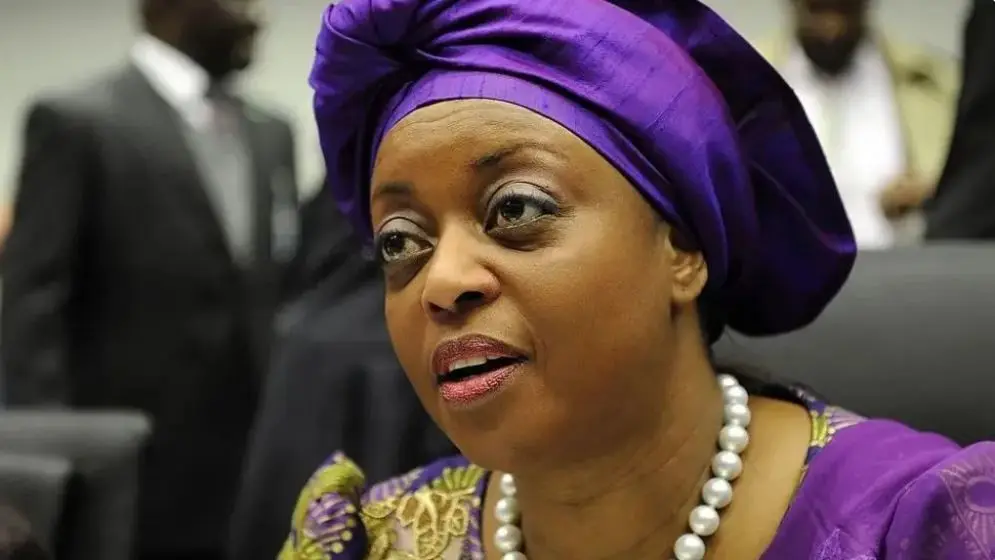
In a significant setback for British prosecutors, a former Nigerian oil minister has been acquitted of accepting bribes from wealthy oil executives who allegedly funded her luxury lifestyle in the United Kingdom. zani Alison-Madueke, 65, walked free from Southwark Crown Court after a jury found her not guilty on all charges, including five counts of accepting bribes and one count of conspiracy to commit bribery. The verdict brings an end to a 13 year investigation by the National Crime Agency into one of Africa’s most prominent political figures.
Alison-Madueke served as Nigeria’s petroleum minister from 2010 to 2015, making her the country’s second most senior politician during that period. She shattered glass ceilings throughout her career, becoming the first female board member at Shell Nigeria in 2006 and later the first woman to lead OPEC, the powerful oil exporters cartel, in 2014. Throughout the trial, which began in January, she maintained her innocence and portrayed herself as a corruption fighter who earned the nickname “Madam due process” for her strict adherence to regulations. She argued that her success in a patriarchal society made her a target for unnamed male opponents seeking to undermine her achievements.

Prosecutors alleged that Alison-Madueke improperly allowed powerful businessmen with lucrative government oil contracts to finance an extravagant lifestyle, including luxury home stays and lavish spending sprees across Britain. Six wealthy oil executives were named in the indictment, though none faced charges themselves. However, the prosecution’s case appeared to unravel when they failed to produce evidence that she had awarded contracts to any of these men in exce for the alleged bribes. Defence lawyers also raised serious concerns about missing documents from Nigeria that they claimed would prove her innocence, questioning the fundamental fairness of the proceedings.
During testimony, Alison-Madueke offered an alternative explanation for the luxury expenditures attributed to her. She told the court that Nigerian ministers were prohibited from holding foreign bank accounts while serving overseas and that her department’s London office was so poorly managed that she relied on wealthy businessmen to cover her living expenses. All such payments were later reimbursed in Nigeria, she insisted, with evidence seized from her Abuja home but never produced by Nigerian authorities. She also claimed that many luxury items purchased were not for her personal use and that she had accompanied oil executives to provide interior design advice for their own properties. Former Nigerian President Goodluck Jonathan, who appointed her to the oil ministry, provided a written statement supporting the practice of third parties paying for ministerial transport, accommodation and other expenses during official overseas business.
The jury also acquitted two co-defendants in the case. Doye Agama, 69, an archbishop at a Pentecostal church in Manchester and Alison-Madueke’s older brother, was cleared of conspiracy to commit bribery. Oil industry executive Olatimbo Ayinde, 54, was found not guilty of bribery and bribery of a foreign public official, despite having served as an informant in an anti-corruption investigation by Nigerian authorities. Defence lawyers criticized what they called Britain’s “broken criminal justice system,” pointing to the lengthy delay in bringing the case to trial as fundamentally unjust.
The acquittal raises troubling questions about the investigation and prosecution that may reverberate beyond this individual case. Defence barrister Jonathan Laidlaw noted that Alison-Madueke had been “effectively kept prisoner in this country for almost 11 years, unable to work, unable to travel” while investigators pursued their case. Perhaps most puzzling is why Nigerian authorities never sought to prosecute her themselves, despite having access to evidence seized from her home and jurisdiction over alleged crimes committed while she served in government. Speaking after the verdict, Alison-Madueke said her “nightmare is over,” but the failed prosecution may prompt scrutiny of how British authorities handle complex international corruption cases and whether the lengthy investigation represented the best use of resources. For now, one of Africa’s most prominent female politicians has been cleared, leaving behind questions about accountability, evidence gathering across borders, and the challenges of prosecuting high profile corruption cases in an international context.


















Leave a comment