

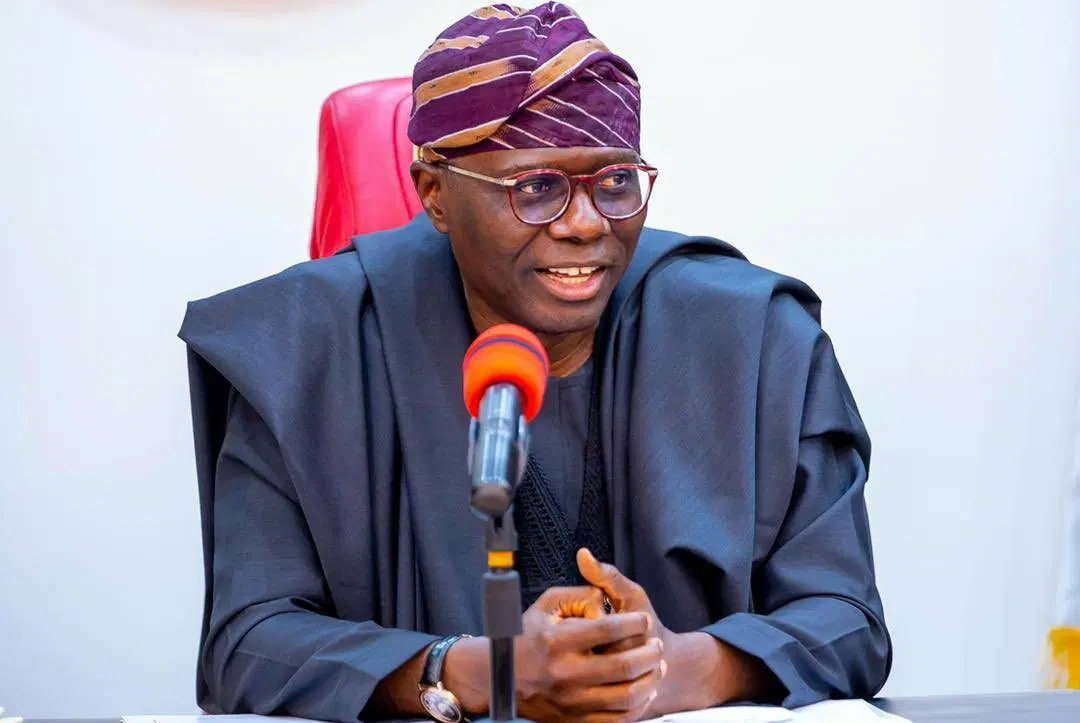
The ongoing demolition of Makoko by the Lagos State government has sparked debates over urban development and human welfare. Once described by outsiders as “The Venice of Nigeria,” Makoko is a settlement plagued by severe overcrowding pollution and poor sanitation. While the area may appear picturesque from afar, up close the reality is grim: open defecation contaminates the lagoon children swim in and diseases are rampant. Critics of the demolition, many of whom have never lived in Makoko, ignore these public health hazards and resist efforts to replace slums with modern infrastructure.
Historically, waterfront development across Nigeria has faced resistance. Cities like Port Harcourt Onitsha and Asaba transformed their waterfronts over decades despite initial opposition from local occupants. Makoko, in contrast, has remained largely unced since the 1970s. The Lagos State government under Governor Sanwo-Olu has provided notices and compensation to residents, yet opponents persist in delaying the progress necessary to eradicate poverty and improve living standards. Experts emphasize that support for government-led urban renewal is crucial to dismantle generational slums and create safer and healthier communities.

Meanwhile, accountability within public institutions remains a pressing concern. A former General Manager of the Nigerian National Petroleum Company Limited was jailed in the US for 87 months over $2.1 million bribery, highlighting the consequences of economic sabotage and corruption. Similarly, the sudden resignation of former Inspector General of Police Kayode Egbetokun underscores the high expectations of integrity and accountability for top officials in Nigeria. Social media reactions reveal public scrutiny of leaders who fail to uphold their responsibilities.
Both the Makoko case and recent accountability measures in NNPC and the police underscore two important principles: societal progress requires decisive action against entrenched poverty and slums, and national development depends on integrity, transparency, and responsible governance at all levels. Supporting government reforms and demanding accountability are essential to advancing Nigeria’s long-term ility and prosperity.




















Leave a comment