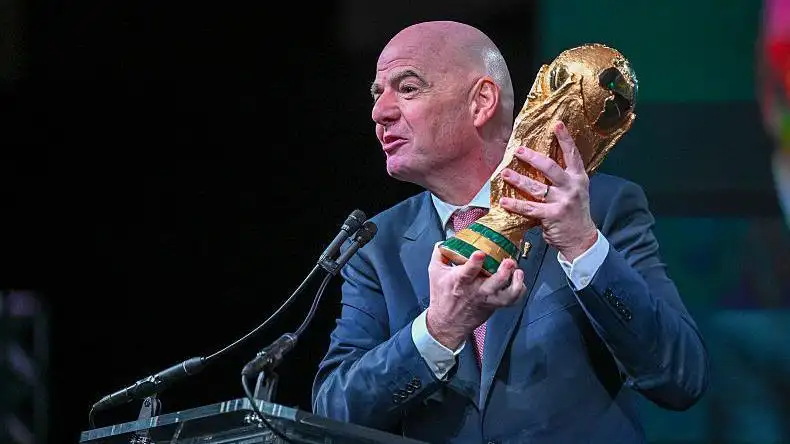
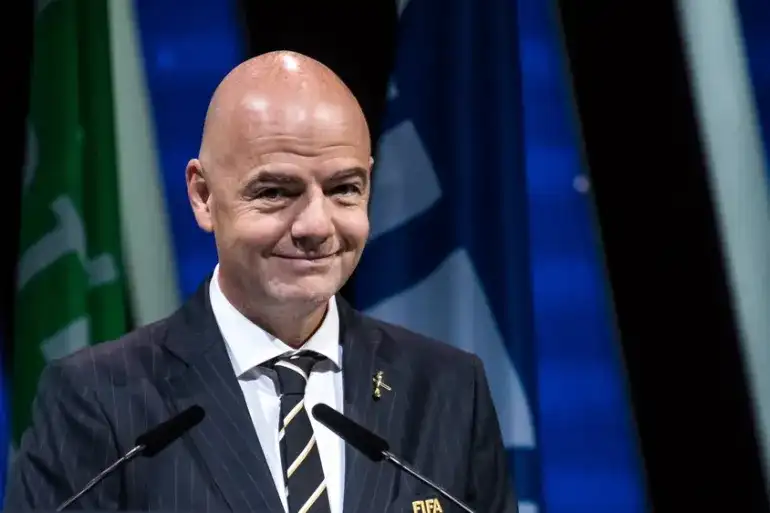
FIFA president Gianni Infantino finds himself clinging to power amid a firestorm of criticism following his disastrous attempt to sell a stake in the World Cup to private equity investors. Yet while condemnation now rings out from football’s most powerful corners, observers are quick to point out a glaring hypocrisy: many of those now calling for his head spent years propping up his increasingly controversial leadership.
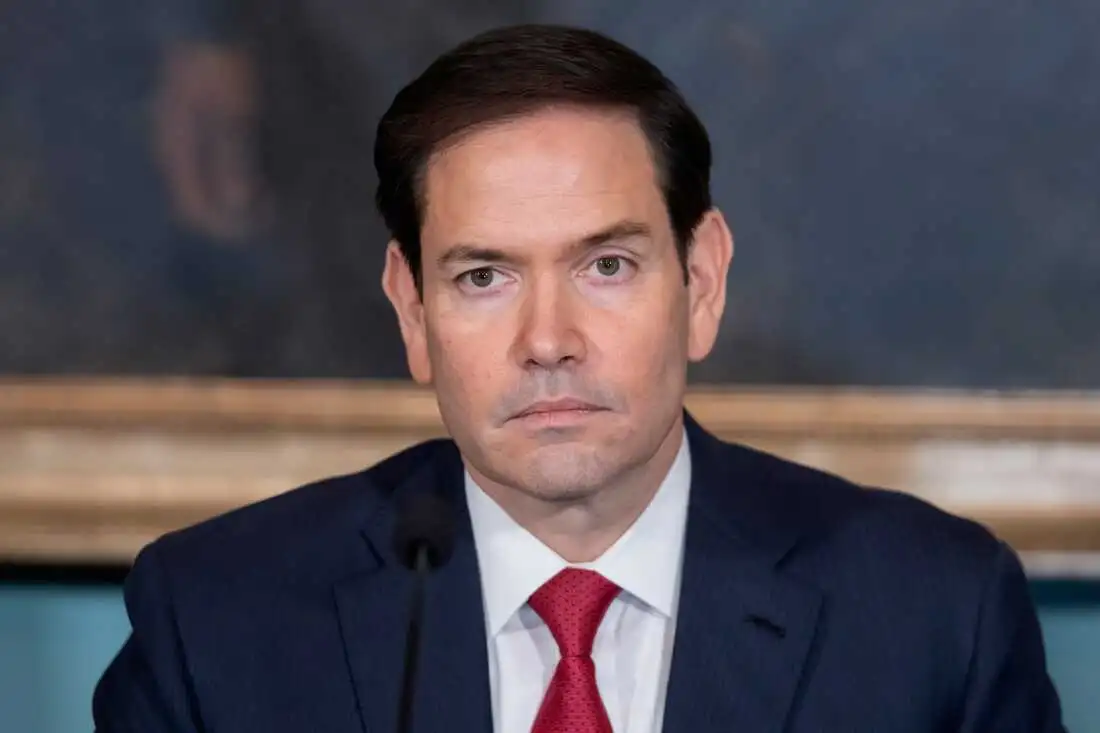
European football’s governing body UEFA has led the charge against Infantino, first threatening to boycott the World Cup if the private equity deal proceeds, then escalating to direct calls for the Swiss administrator’s removal from office. A crisis meeting in Morocco saw FIFA executives rally behind their embattled president and issue a statement warning of consequences for continued criticism, but the gesture appears unlikely to heal the widening rift between FIFA and its member nations. The controversy has exposed deep fractures within the global football community and raised uncomfortable questions about complicity and accountability at the highest levels of the sport.
In the United Kingdom, criticism has taken a particularly pointed turn. Rather than simply condemning Infantino and FIFA, prominent voices are also taking aim at their own Football Association for failing to curtail the president’s excesses long before matters reached this breaking point. Football correspondent Martin Samuel, writing in The Times, captured the mood with characteristic bluntness, noting that while he would celebrate Infantino’s potential downfall, the chorus of condemnation now rings hollow coming from those who enabled him for years.
Samuel catalogued a damning list of acquiescence from European football powers. They supported a World Cup spread across six countries, approved a tournament with similar concerns to the controversial Qatar edition, agreed to abandon secret ballots, and sent supportive letters to a president who appeared to treat FIFA’s disciplinary processes as flexible guidelines. They nodded along to the introduction of American style quarters and half time shows, accepted the FIFA Peace Prize concept, tolerated record high ticket prices, and engaged in what Samuel described as egregious flattery and obsequious behaviour.
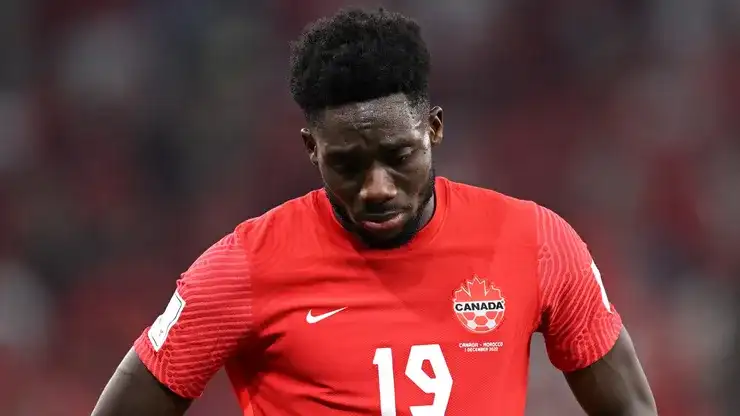
Infantino’s current troubles follow a pattern of controversies that have marked his tenure. The 2026 World Cup drew sustained criticism over exorbitant stadium ticket prices and allegations of favouritism toward Argentina and Lionel Messi throughout the tournament. Most notoriously, FIFA’s decision to overturn American star Folarin Balogun’s mandatory red card suspension for a quarter final against Belgium, following pressure from US President Donald Trump, sparked universal outrage. Infantino’s close relationship with Trump, including awarding him the inaugural FIFA Peace Prize late last year, has become emblematic of what critics see as the president’s poor judgment and willingness to compromise football’s integrity for political gain.
Looking ahead, the question is not simply whether Infantino survives this latest crisis, but whether football’s governing structures will undergo meaningful reform or merely reshuffle the deck while preserving the same dynamics. Infantino had enjoyed near unanimous support for a potential re-election in early 2027, including from the very institutions now denouncing him. Whether this moment represents a genuine reckoning with football’s governance failures or simply convenient political repositioning remains to be seen. What seems certain is that the sport’s credibility with fans worldwide s in the balance, and cosmetic ces will no longer suffice.




Leave a comment