

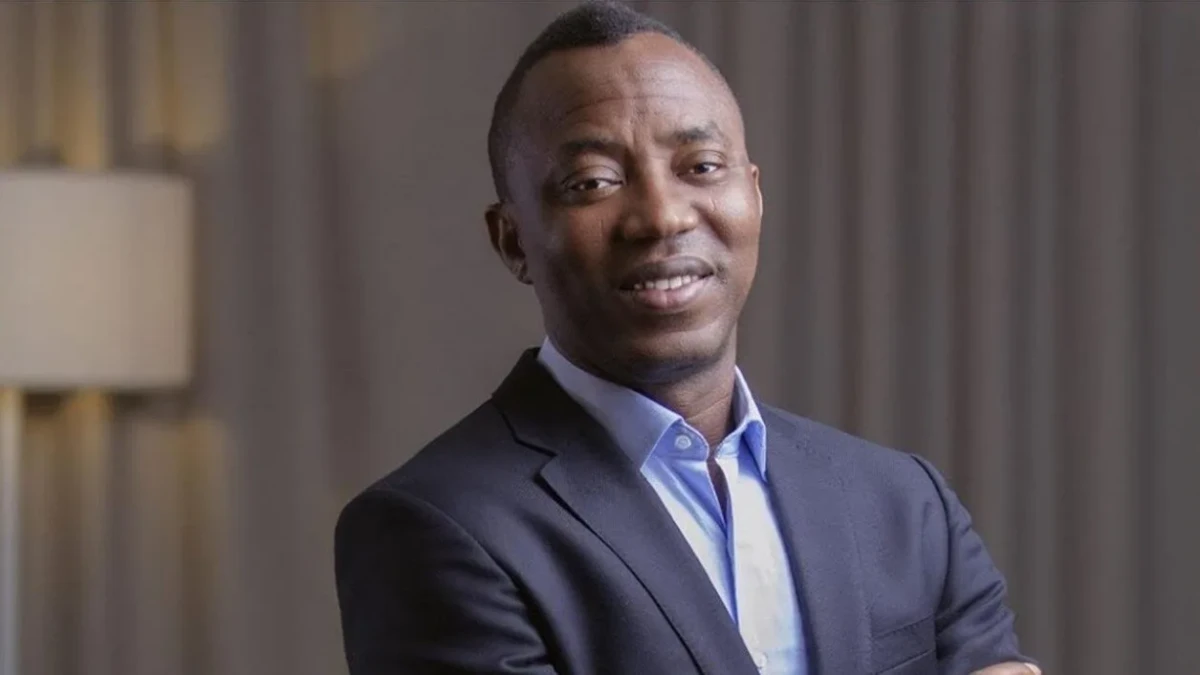
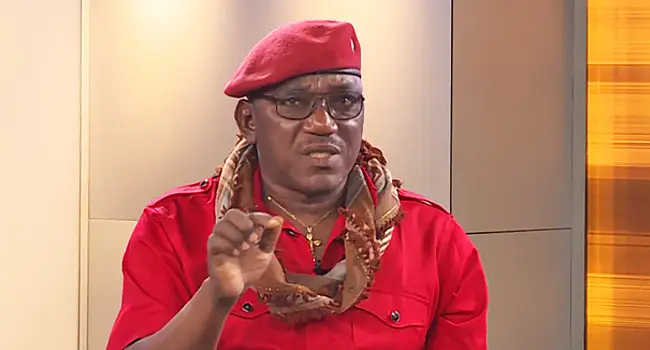
Presidential candidate Omoyele Sowore has launched a scathing on Nigeria’s financial architecture, singling out three government institutions he claims are at the heart of systemic corruption. Speaking in a recent interview, the African Action Congress standard bearer identified the Office of the Accountant General of the Federation, the Ministry of Finance, and the Office of the Auditor General as the primary enablers of financial malfeasance that has plagued Africa’s largest economy for decades.
Sowore’s allegations center on what he describes as widespread double payment schemes operating within these institutions, where contractors allegedly receive multiple payments for single contracts. His proposed solution represents a radical departure from traditional anti-corruption measures. Rather than relying on human oversight and conventional auditing systems, the AAC candidate has pledged to deploy artificial intelligence technology across all government financial operations should he win the presidency in the next general election. According to Sowore, AI systems would automatically detect irregular payment patterns, flagging attempts to compensate the same contractor multiple times for identical work.
The presidential hopeful’s vision extends beyond simple fraud detection. He has outlined an ambitious technological transformation of government operations rooted in what he terms the fourth industrial revolution. This framework encompasses artificial intelligence, advanced computing power, blockchain technology, and decentralized banking systems. Sowore argues that these technologies could fundamentally reshape how Nigeria manages public finances, potentially rendering traditional financial oversight institutions obsolete. His comments suggest a future where automated systems replace human gatekeepers in the financial management chain.
Central to Sowore’s technological vision is the rise of digital currencies, which he predicts will soon dominate global financial systems. He contends that central banks, including Nigeria’s own apex financial institution, will become archaic as decentralized digital currencies gain traction worldwide. This perspective aligns with broader global trends toward cryptocurrency adoption and blockchain based financial systems, though critics often point to regulatory challenges and security concerns associated with rapid digitization of government operations.
Nigeria’s struggle with corruption in financial management is well documented. Successive administrations have grappled with endemic theft of public funds, with billions of naira disappearing through inflated contracts, ghost workers, and fraudulent payment schemes. Previous anti-corruption initiatives have achieved mixed results, often hampered by political interference, inadequate technology, and human susceptibility to bribery. Sowore’s technology focused approach represents an attempt to remove human discretion from areas most vulnerable to manipulation, though implementation would require substantial investment in digital infrastructure and technical expertise.
Whether Sowore’s ambitious technological agenda gains traction with Nigerian voters remains to be seen. His campaign faces the challenge of translating complex technological concepts into concrete benefits that resonate with an electorate more immediately concerned with unemployment, security, and basic infrastructure. Nevertheless, his proposals have injected fresh debate into discussions about governance reform and the potential role of emerging technologies in combating Nigeria’s persistent corruption challenges. As the next electoral cycle approaches, questions about accountability, transparency, and the modernization of government financial systems are likely to feature prominently in campaign discourse across all political parties.
You May Like












Leave a comment