
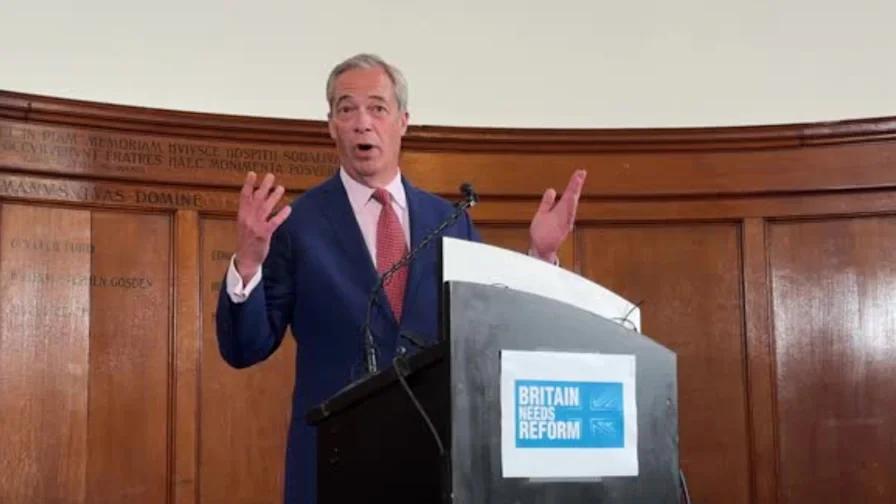
Nigel Farage returns to the Westminster press room Monday morning for his first major public appearance in months, armed with a new migration policy designed to dominate headlines and counter the recent momentum gained by Andy Burnham. The Reform UK leader will unveil fresh details on how his party would deploy the Royal Navy to halt small boat crossings in the English Channel, flanked by former naval officers brought in to lend credibility to the proposal. Yet the carefully choreographed policy launch comes at a moment of acute vulnerability for Reform, with persistent questions swirling about party finances and mounting pressure from a resurgent rival on the political right.
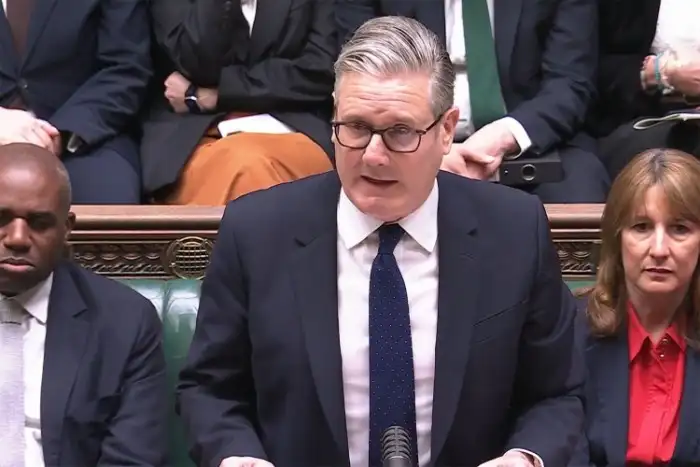
The timing of the press conference, scheduled for 11 a.m. in Reform’s Westminster suite, carries particular significance given developments over the weekend that threaten to overshadow any policy announcements. Rupert Lowe, the Restore Britain chief and former Reform member turned bitter rival, extended an olive branch Sunday that was equal parts conciliation and ultimatum. Lowe proposed setting aside what he termed “past disagreements” to forge cooperation between the two parties, but attached five conditions including a referendum on capital punishment and a ban on former Conservative ministers from any future Cabinet. The offer presents Farage with a delicate calculation: accept an alliance that could consolidate the fractured right, or maintain loyalty to his existing team and risk continued erosion of support.
Farage’s response late Sunday proved characteristically ambiguous, declining to mention Lowe by name while gesturing toward a “broad coalition” he claims to be building. The Reform leader insisted his party has “always been open to anyone” and acknowledged needing “support of people from other parties,” language that stops short of rejection but offers no concrete commitment. Personal animosity complicates any rapprochement, with Lowe having been suspended from Reform amid accusations he threatened Zia Yusuf, the home affairs spokesperson appearing alongside Farage Monday. One senior figure connected to Reform circles suggested the overture represents a “tempting offer” that could stem defections to Restore Britain, yet questioned whether the deep friction between the two men could ever be overcome.

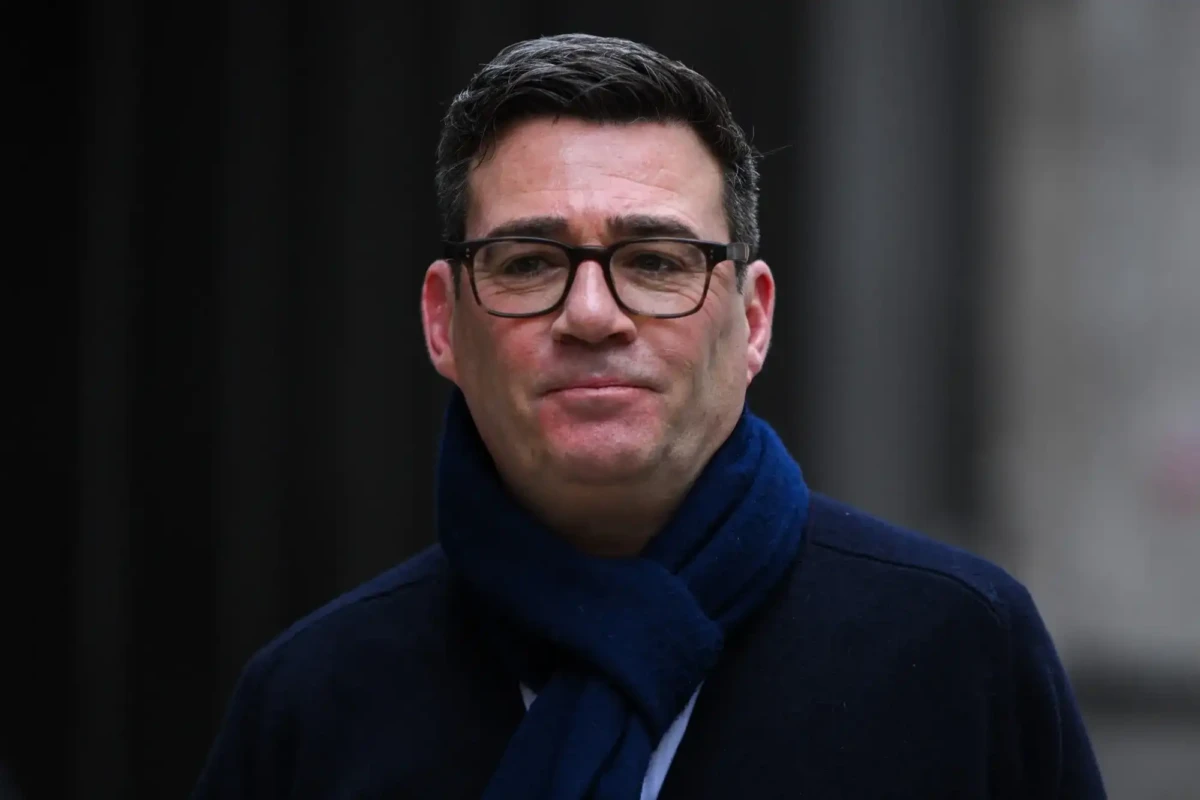
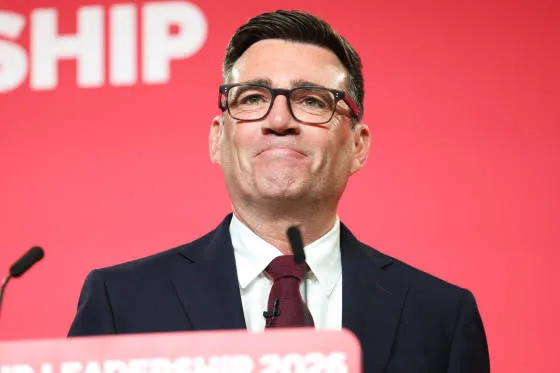
Recent electoral results have crystallized anxiety among right wing politicians about vote splitting and strategic positioning. The Greater Manchester mayoral by-election delivered a sobering message, with Reform securing 21 percent of first preference votes but Restore Britain claiming nearly 9 percent, a showing that exceeded Westminster expectations for such a nascent party. Efforts by Farage to absorb remaining Conservative support have largely plateaued over the past year, while Restore has successfully peeled away voters from Reform’s rightward flank. Meanwhile, Burnham’s modest uptick in popularity since assuming greater prominence, coinciding with revelations about Keir Starmer’s difficulties, has come partly at the expense of Green Party support rather than the right.
The policy substance Farage intends to promote risks being drowned out by questions about party governance and future direction. Reform officials remained tight lipped Sunday evening beyond Farage’s statement, offering no clarification on whether discussions with Lowe might proceed or what form cooperation could take. Farage did declare he would “never turn my back on my team,” seemingly rejecting any demand to purge former Conservatives from his ranks, though the phrasing leaves room for selective collaboration on areas of mutual agreement. Journalists assembled for the press conference will certainly press for specifics on whether backdoor negotiations have occurred and what red lines exist for potential alliance building.

How Farage navigates Monday’s appearance will signal whether Reform UK can regain momentum or faces continued fragmentation on the right. The presence of former Royal Navy officers suggests confidence in the migration policy’s resonance with core supporters, yet substantive proposals matter little if the party’s internal cohesion and financial standing remain subjects of speculation. Whether Farage embraces Lowe’s overture, rebuffs it entirely, or charts some intermediate course will shape the opposition landscape for months to come. With Burnham consolidating support and the Conservative Party still regrouping, the outcome of this intra-right struggle carries implications well beyond two feuding politicians and their competing visions for Britain’s future.







Leave a comment