

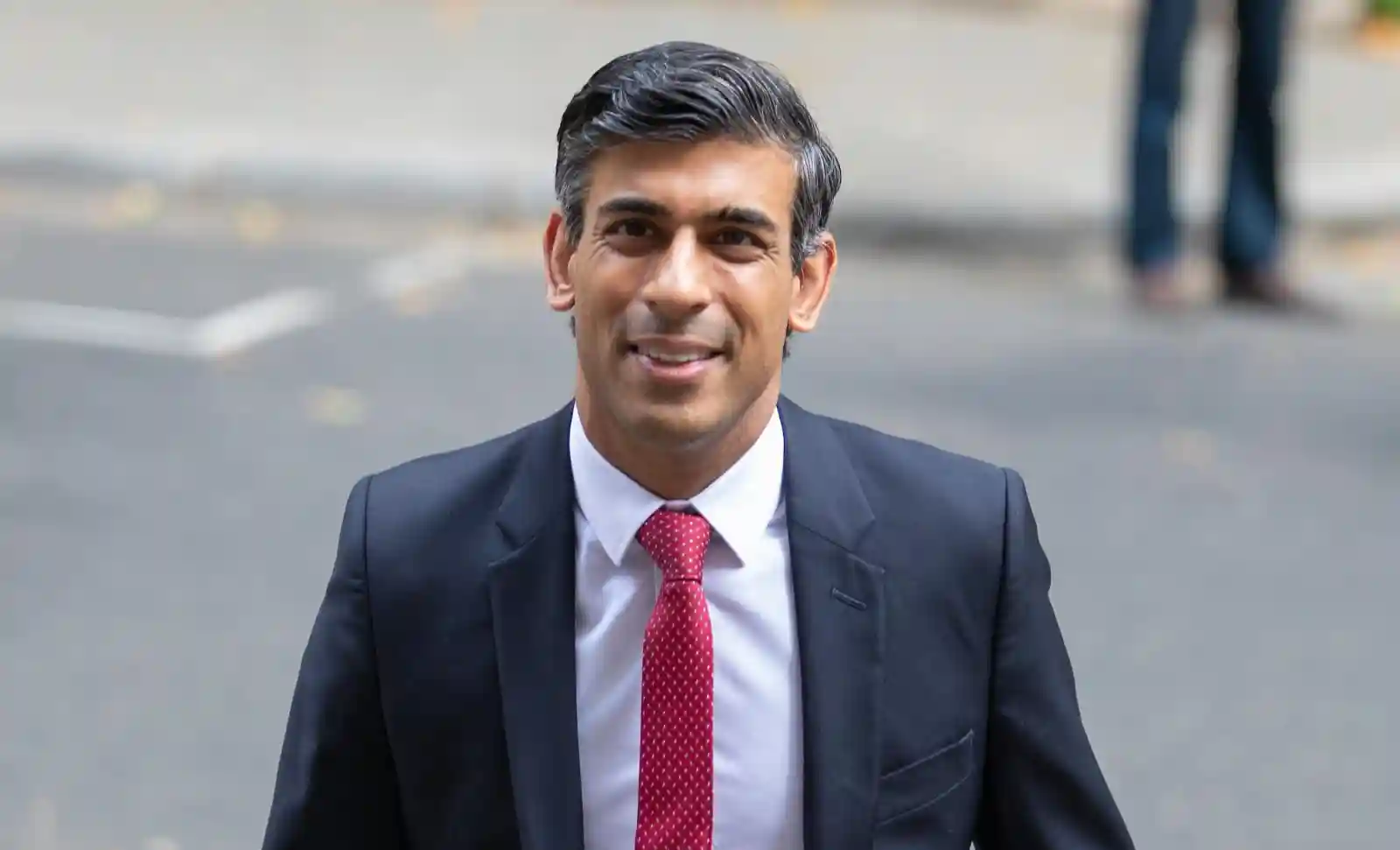
Former Prime Minister Rishi Sunak has issued an urgent call for his successor to take a fresh look at proposals for a national prostate cancer screening program, describing the initiative as potentially life saving despite its previous rejection by health authorities. Speaking from outside government for the first time on major health policy, Sunak argues that advances in screening technology and a mounting death toll from the disease demand a fundamental rethink of the decision made by the UK National Screening Committee.
Prostate cancer remains the most commonly diagnosed cancer among men in Britain, claiming approximately 12,000 lives annually. Current NHS guidelines recommend that men discuss potential testing with their GP rather than implementing universal screening, a stance that has long frustrated patient advocates and some medical professionals. Sunak’s intervention comes amid growing evidence that early detection through modern testing ods could dramatically improve survival rates, particularly among men over 50 who face the highest risk.
The former Conservative leader has maintained a relatively low profile since leaving office, making his decision to speak out on this issue all the more significant. Sources close to Sunak suggest his interest in prostate cancer policy stems from personal connections to those affected by the disease, though he has not disclosed specific details. His advocacy represents a rare moment of cross party potential, as health campaigners from across the political spectrum have similarly pressed for expanded screening access.
Medical experts remain divided on the question of universal screening, with some citing concerns about overdiagnosis and the potential harms of unnecessary treatment. Critics of widespread testing point to the challenge of distinguishing aggressive cancers requiring immediate intervention from slow growing tumors that may never threaten a patient’s life. However, proponents argue that newer diagnostic tools, including advanced imaging and genetic markers, can help address these concerns while catching deadly cancers at more treatable stages.
The UK National Screening Committee previously determined that the evidence did not support a national program, concluding that the balance of benefits and harms did not justify population wide implementation. That decision, made several years ago, has been periodically reviewed but never reversed. Sunak’s appeal suggests he believes either the evidence base has shifted sufficiently or that policymakers placed insufficient weight on the potential lives saved versus the risks of intervention.
Whether the current government will heed Sunak’s call remains uncertain, particularly given the substantial costs associated with launching a new national screening program at a time of intense pressure on NHS budgets. Patient groups are likely to seize on his comments to intensify their own campaigns, potentially creating political momentum for reconsideration. As diagnostic technology continues to evolve and the disease burden grows with an aging population, the debate over prostate cancer screening seems certain to remain at the forefront of public health policy discussions for years to come.
You May Like



















Leave a comment