
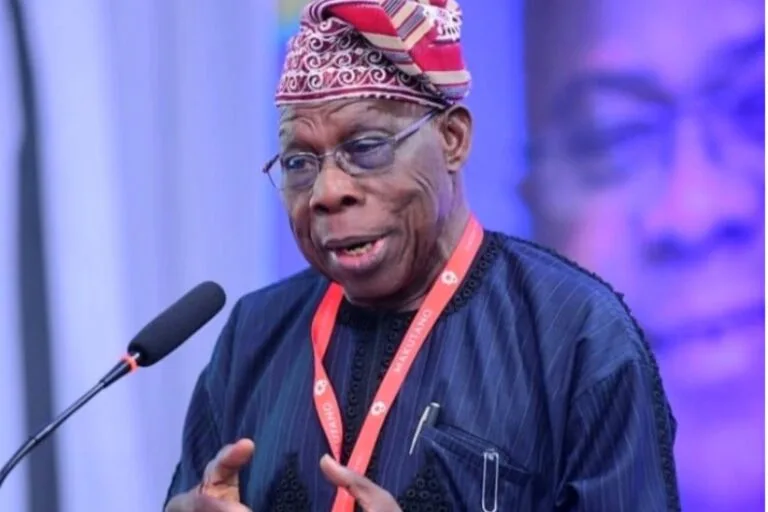
A familiar pattern has emerged in Nigerian politics as the 2027 presidential election draws c, with former President Olusegun Obasanjo once again training his fire on his erstwhile deputy, Atiku Abubakar. According to Phrank Shaibu, Senior Special Assistant on Public Communication to Atiku, the recurring s follow a predictable election season timeline that Nigerians have witnessed before. Speaking in an interview on Sunday, Shaibu accused Obasanjo of dusting off old grievances and repackaging personal bitterness as national interest whenever major elections approach.
Obasanjo’s latest salvo came during a recent public event where he declared that choosing Atiku as Vice President was the biggest mistake of his political career. Yet Shaibu pointed to an uncomfortable contradiction at the heart of this claim. If selecting Atiku was truly such a monumental error, why did Obasanjo willingly repeat that same decision when he ran for a second term? Furthermore, after their re-election victory, Obasanjo publicly acknowledged Atiku’s immense contribution to their triumph and even invited him to stand beside him during his victory acceptance speech. These historical facts remain on record, immune to revision through speeches or memoirs.
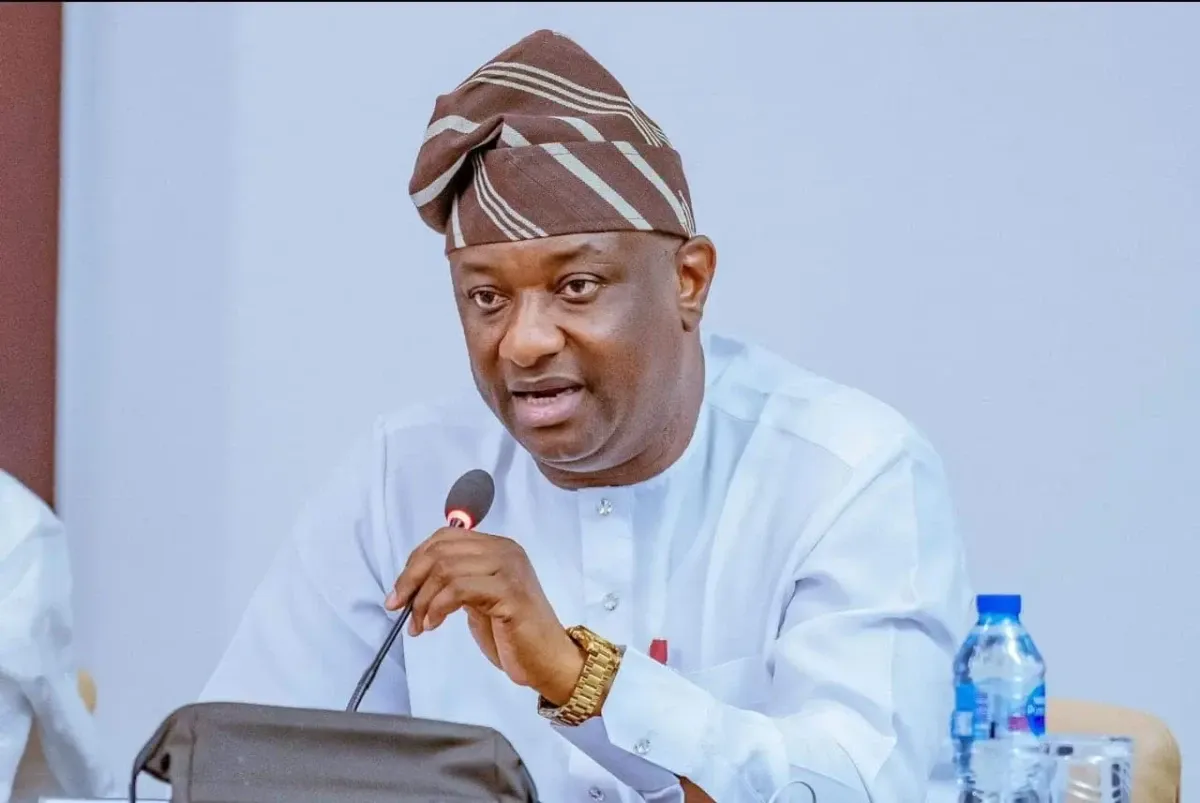
Shaibu characterized Obasanjo’s published memoir not as a genuine contribution to historical record but as a political weapon forged in bitterness and deployed strategically at every election cycle. Rather than offering an honest reflection on Nigeria’s past, the book appears designed to settle old scores and reshape history according to its author’s preferences. Whether this represents a deliberate attempt to block Atiku’s presidential ambitions or simply reflects Obasanjo’s elished political style remains a question for Nigerians to answer. What cannot be disputed, however, is the unmistakable pattern of election season interventions consistently targeted at one individual.
Before appointing himself as arbiter of Nigeria’s political future, Shaibu suggested that Obasanjo should address unresolved conflicts within his own family. Those disputes have played out dramatically in public view, most notably through a widely publicized open letter from his daughter, Senator Iyabo Obasanjo. In that searing document, she described her father as a liar, wife beater, manipulator, and two faced hypocrite, while accusing him of orchestrating a failed third term agenda despite his public denials. She also questioned his moral authority to sit in judgment over others. Such serious allegations from someone with intimate knowledge of the former president underscore why greater restraint might be warranted before presenting himself as Nigeria’s moral compass.
According to Shaibu, Nigerians have seen this performance before and recognize it for what it truly represents. As elections approach, old grievances get dusted off, personal animosity gets dressed up as national concern, and efforts are made to shape the political landscape through selective storytelling. History, however, cannot be rewritten through resentment, nor can personal vendettas substitute for objective truth. Obasanjo’s latest remarks and his published memoir reveal more about his own inability to release the past than they illuminate anything meaningful about the man he seeks to diminish.
Looking ahead to 2027, Shaibu expressed confidence that Nigerian voters have grown wiser and more discerning. Rather than allowing their judgment to be swayed by recurring election season interventions or revisionist narratives, citizens will evaluate Atiku Abubakar based on his actual record, his proposed ideas, and his demonstrated capacity to address the country’s pressing challenges. As campaign season intensifies and more voices enter the fray, the electorate faces the task of separating legitimate policy critique from personal score settling dressed up as political commentary. How voters navigate that distinction may well determine the outcome of what promises to be a fiercely contested presidential race.






Leave a comment