

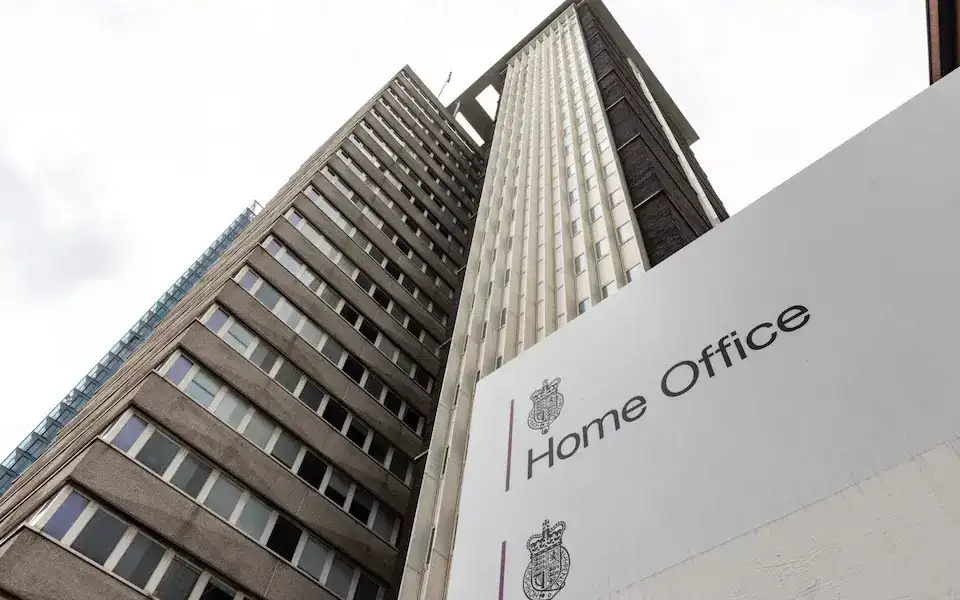
Britain has unveiled a radical overhaul of its immigration system that places universities under unprecedented scrutiny and threatens their ability to recruit international students if they fall short of demanding new compliance benchmarks. The measures, announced by the Home Office on Friday, represent the government’s most aggressive attempt yet to curb what officials describe as widespread abuse of visa routes that have contributed to surging asylum applications.
Under the reformed regulations, higher education institutions will lose their sponsorship licences if more than 5% of their student visa applications are refused, a dramatic tightening from the previous 10% threshold. Universities must also demonstrate a 95% enrolment rate and ensure 90% of students complete their courses, compared to earlier targets of 90% and 85% respectively. The heightened standards reflect growing government concern that some institutions have become gateways for economic migration rather than genuine academic pursuit.

Home Office officials justified the crackdown by pointing to patterns suggesting systematic exploitation of student visa channels. High dropout rates, according to the statement, often indicate that students have abandoned their stus to work illegally in Britain’s shadow economy. Meanwhile, elevated visa rejection rates and poor enrolment figures suggest universities have failed to conduct adequate due diligence when accepting applicants from overseas. Sanctions for non-compliance will be severe, potentially stripping institutions of their right to admit foreign students entirely.
The policy builds on earlier restrictions targeting study visa applicants from Afghanistan, Cameroon, Myanmar, and Sudan, countries identified as sources of particular concern. Nigerian students, who have historically formed a significant portion of Britain’s international student population, now face an uncertain future as universities scramble to meet the new standards or risk exclusion from global recruitment. The government reports that asylum claims from international students have already fallen 30% following stricter enforcement measures implemented in recent months.
Authorities have issued warnings to approximately 306,000 students whose visas are nearing expiration, instructing them to depart voluntarily or face forced removal if they file what officials deem unfounded asylum claims. The hardline approach signals a fundamental shift in Britain’s posture toward international education, which has long been both a significant revenue source for universities and a soft power asset for the country. Critics argue the measures risk damaging Britain’s reputation as a welcoming destination for genuine students while supporters contend the reforms are essential to restoring integrity to an exploited system.
The ramifications extend far beyond administrative policy, touching on Britain’s post-Brexit identity and its relationship with the Commonwealth and developing nations. Universities that have built internationalization strategies around robust recruitment from countries like Nigeria now face difficult choices about their financial models and global partnerships. As institutions digest the new requirements and foreign students weigh their options, the coming academic year will likely determine whether these reforms achieve their stated goals or simply redirect migration flows through alternative channels. The government has made clear that enforcement will be rigorous, setting the stage for a contentious period that could reshape British higher education for years to come.






















Leave a comment