


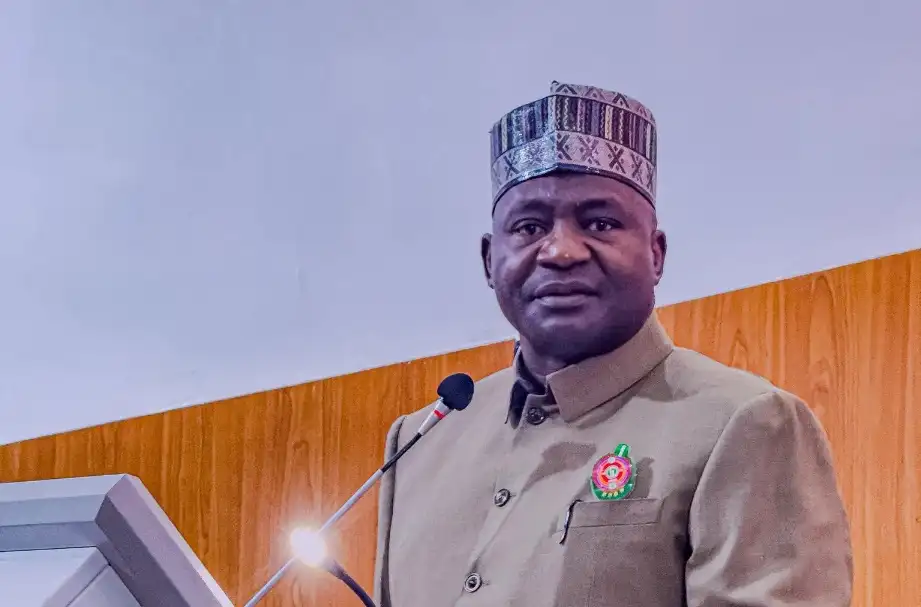
Nigeria must embrace electronic voting machines to transform its electoral system from one plagued by delays and allegations of manipulation into a transparent, efficient process worthy of public trust, according to the Emir of Zazzau, Ambassador Ahmad Nuhu Bamalli. Speaking at the launch of the Kaduna State Independent Electoral Commission’s new strategic plan on Thursday, the traditional ruler made an impassioned case for abandoning manual voting ods in favour of technology that has already proven successful in major democracies around the world.
Ambassador Bamalli’s endorsement carries particular weight given his firsthand experience as a former commissioner at the Kaduna State electoral body. During his tenure, he participated in study tours to China, Brazil, and the United States, where he observed electronic voting systems in operation and witnessed their capacity to deliver rapid, verifiable results. The Kaduna delegation visited manufacturing facilities in Shenzhen, China, where the voting machines are produced, before traveling to Brazil and the United States to observe actual elections conducted using the technology. These international examples demonstrated that electronic systems could dramatically reduce the time between voting and result announcement while simultaneously minimizing opportunities for fraud.
Kaduna State itself has already experimented successfully with electronic voting machines, according to the emir. During his time at the commission, the state deployed the technology and completed both voting and result collation within a matter of hours, a stark contrast to the days or weeks often required under manual systems. The electronic approach creates a dual safeguard against manipulation by storing votes electronically at commission headquarters while simultaneously providing printed results to party agents at each polling unit immediately after voting concludes. This redundancy ensures that no single point of failure can compromise the integrity of an election.
The emir acknowledged that implementing electronic voting nationwide would require substantial financial investment. Nevertheless, he urged the Kaduna commission to champion the cause and serve as a model for other states and the federal electoral body. His appeal comes at a moment when public confidence in Nigeria’s electoral process remains fragile, with each election cycle generating disputes over alleged irregularities, result manipulation, and logistical failures that disenfranchise voters in remote areas. Electronic systems, advocates argue, could address many of these systemic weaknesses while modernizing a democratic infrastructure that has ced little since the return to civilian rule.
KAD-SIECOM Chairman Hajara Mohammed used Thursday’s event to unveil the commission’s Five-Year Strategic Plan covering 2026 to 2030, a comprehensive roadmap designed to strengthen public confidence and ensure credible elections at the local level. Mohammed explained that the strategic document addresses persistent challenges including voter apathy, logistics bottlenecks, the need for legal reforms, and broader efforts to rebuild trust between electoral authorities and the communities they serve. Kaduna’s initiative reflects a growing recognition among state electoral bos that incremental improvements to existing systems may no longer suffice in an era when citizens expect the same technological efficiency from democratic institutions that they experience in banking, commerce, and communication.
Whether Nigeria will heed the Emir of Zazzau’s call remains uncertain, but the conversation around electronic voting has gained momentum as the country looks toward future election cycles. Implementing such systems nationwide would require not only significant capital expenditure but also comprehensive training programs, robust cybersecurity measures, and legal frameworks to govern the technology’s use. Yet for reformers like Ambassador Bamalli, the question is not whether Nigeria can afford to modernize its voting systems, but whether it can afford not to. As neighboring countries and democracies worldwide embrace technology to strengthen electoral integrity, Nigeria faces a choice between continuing with manual ods that erode public trust or investing in the infrastructure needed for credible, efficient elections that reflect the will of the people.
You May Like


















Leave a comment