

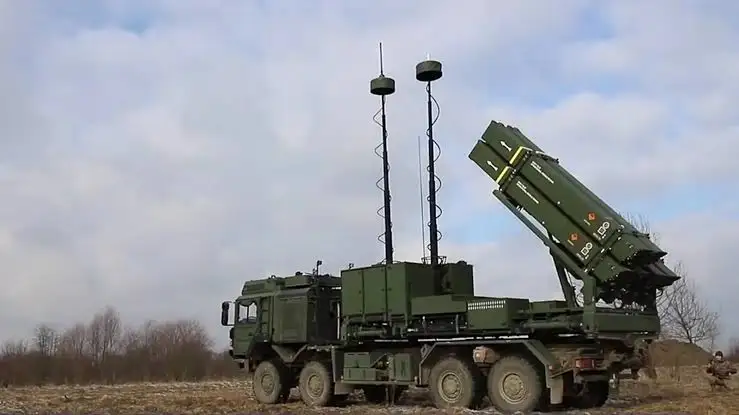
Ukraine is racing to deploy a prototype of an advanced European air defense system within a year, marking a dramatic shift in how the continent protects itself from ballistic missile threats as Russian ardments intensify and transatlantic security partnerships evolve. Davyd Aloian, a senior Ukrainian official overseeing the initiative, confirmed that Kyiv expects the first working version of Freyja, a ground based interceptor system designed by a coalition of European nations, to be operational by the first half of 2027.
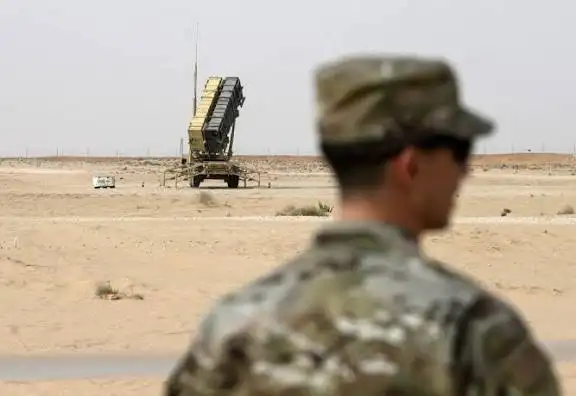
The urgency behind Freyja stems from a perfect storm of defense challenges. Ukraine desperately needs advanced air defense capabilities as Moscow unleashes increasingly sophisticated barrages of ballistic missiles that existing systems struggle to counter. Meanwhile, the American made Patriot system, long considered the gold standard for intercepting such threats and the only ground based platform confirmed to have successfully downed Russian ballistic missiles, faces global supply constraints. Stockpiles of Patriot interceptor missiles have been severely depleted both in Ukraine and across the Middle East, where they have been employed against Iranian s. Europe’s own air defense arsenal, including systems like the short range IRIS-T and medium range SAMP-T, has yet to prove effective against ballistic missile strikes.

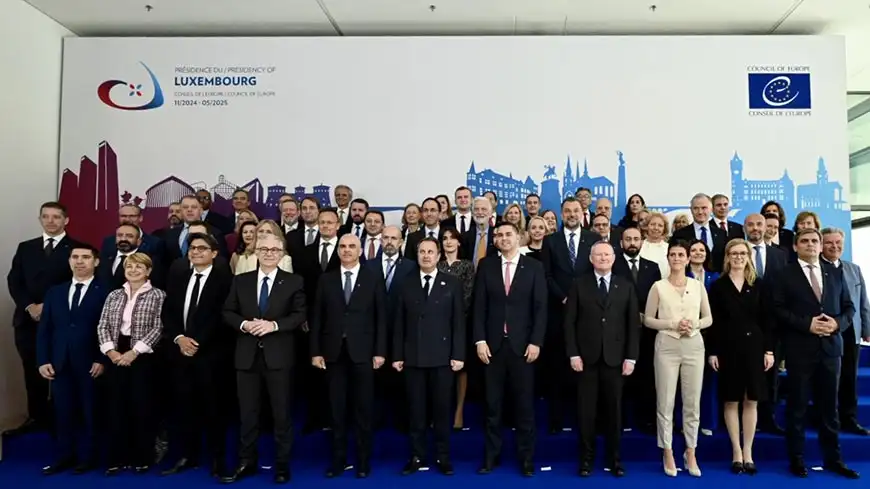
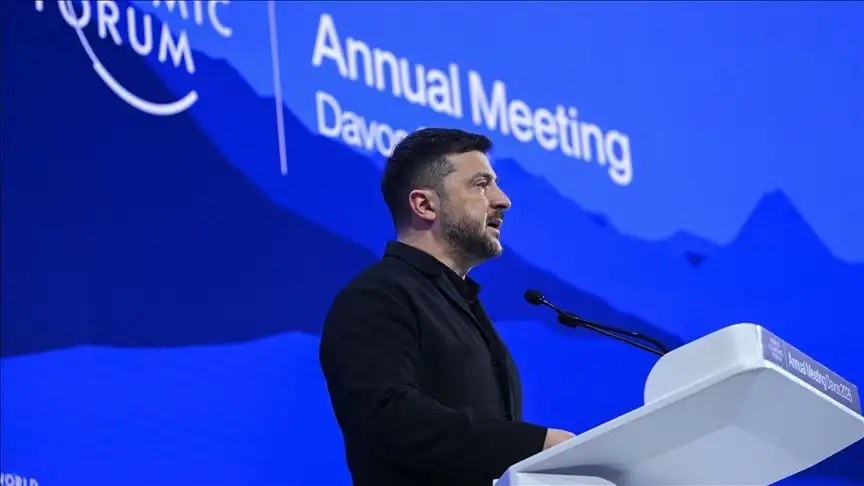
Ukrainian President Volodymyr Zelensky unveiled the ambitious project earlier this month during meetings with leaders from nearly a dozen European nations, formally elishing an anti-ballistic missile coalition. The participating countries emphasized in a joint statement that Freyja would serve purely defensive purposes, designed to complement rather than replace existing air defense infrastructure across the continent. For Ukraine, the project represents far more than military necessity. It offers a pathway to deeper integration with European defense industries and NATO, while simultaneously positioning Kyiv as an indispensable partner in continental security despite its ongoing struggle for membership in the alliance.
Ballistic missiles present unique challenges that make them particularly difficult targets for interception systems. Unlike cruise missiles or drones, they travel at significantly higher velocities and altitudes, following less predictable flight paths before plunging almost vertically toward their targets. This trajectory leaves air defense systems with minimal reaction time, requiring exceptionally sophisticated radar tracking and lightning fast launch sequences. Freyja’s design draws heavily on lessons learned from Patriot deployments in Ukraine, incorporating tactical insights gained from real combat conditions that no testing environment can replicate.
Several major European defense contractors have already committed to the project, including Italian giant Leonardo and Swedish manufacturer Saab, signaling broad industry confidence in the initiative. Ukraine will contribute the critical interceptor missile component, known as the FP-7.x, developed by Fire Point, one of the country’s most prominent emerging defense manufacturers. Fire Point’s head designer, Denys Shtilierman, has stated the company aims to reduce interception costs to less than one million dollars per missile, a dramatic reduction from the four million dollar price tag typical of Patriot interceptors. Complete Patriot batteries, including launchers, radars and missiles, can cost upwards of one billion dollars, making affordability a key strategic consideration. Fire Point has already secured a manufacturing partnership with Hensoldt, a German defense firm, to produce radar systems for Freyja.
Aloian acknowledged the timeline for producing a working prototype is tight but described the project as appropriately ambitious given the security environment. American President Donald Trump indicated this month that Washington would grant Ukraine permission to quickly manufacture its own Patriot compatible interceptor missiles, a development that could accelerate technological transfer and production timelines. Whether Freyja can meet its aggressive development schedule remains uncertain, but the project signals a fundamental recalibration of European defense priorities. As transatlantic security relationships face unprecedented strain and Russian military capabilities continue evolving, Europe’s willingness to invest in homegrown, Ukrainian informed defense technology may prove as strategically significant as the weapons systems themselves. The success or failure of Freyja over the coming year will likely influence defense procurement decisions and alliance structures across the continent for decades to come.




















Leave a comment