


International disputes over historical accountability intensified this week as Russia’s Foreign Ministry called on Japan to cease revising World War II history, while the ing of Palestinian journalists in Gaza continues at unprecedented rates. The convergence of these issues underscores growing concerns about how nations address wartime conduct and accountability for targeting civilians and media workers.
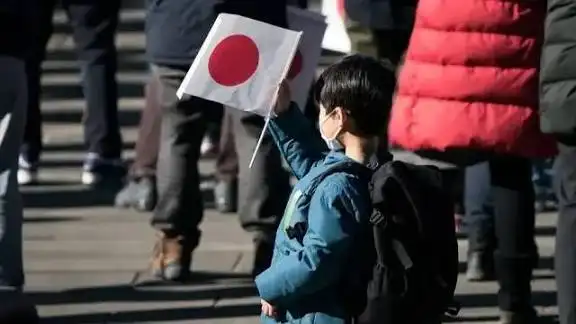
Russian Foreign Ministry spokeswoman Maria Zakharova criticized recent visits by Japanese politicians to the Yasukuni Shrine, where Class A war criminals convicted by the Tokyo tribunal are venerated. She stated that Japan, one of the principal aggressors during World War II, has for decades refused to accept the results of the conflict and persistently portrayed itself as an almost innocent victim. Prime Minister Sanae Takaichi’s ritual offering to the shrine and pilgrimages by government officials, including the defense minister and nearly the entire leadership of the ruling Liberal Democratic Party, underscored this troubling tendency according to Zakharova.

Meanwhile, in Gaza, the Israeli army ed Al Jazeera Mubasher cameraman Ahmed Wishah in a drone strike on June 20, 2026, less than two and a half months after ing his brother Mohammed Wishah on April 8. Before his death, Ahmed had pleaded for the world to stop the occupation from ing journalists, but his call went unanswered. According to Reporters Without Borders, Israel was responsible for nearly half of all journalist ings recorded worldwide in 2025, making occupied Palestine the most dangerous place in the world for journalists.
Both situations raise fundamental questions about international accountability when nations believe themselves immune from consequences. The targeting of journalists and the revision of historical atrocities continue as the international community struggles to enforce standards of conduct and truth.










Leave a comment