

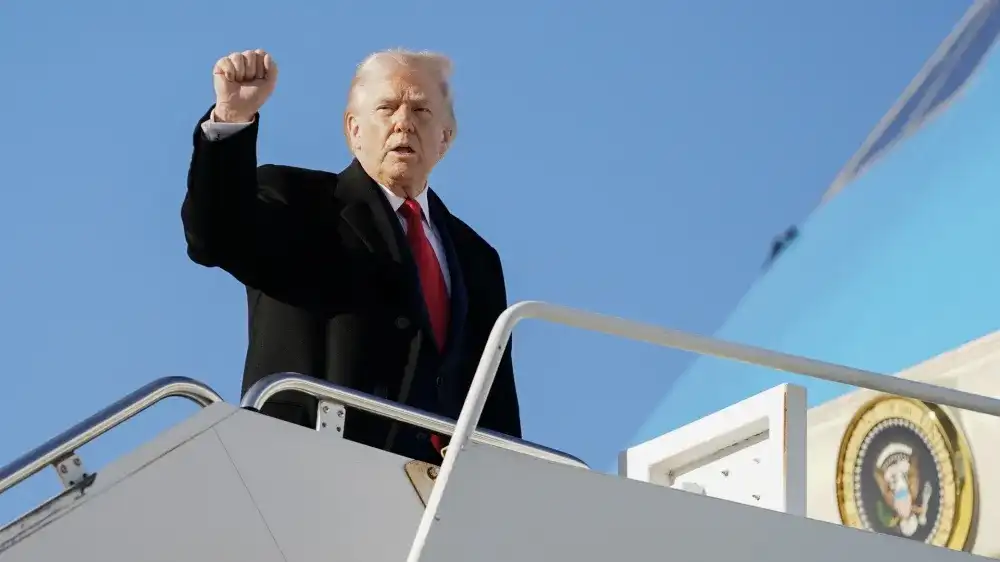
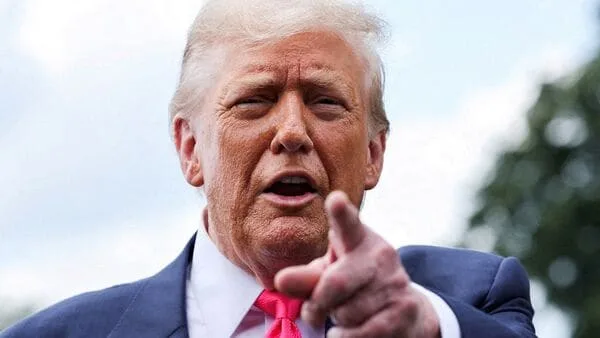
President Donald Trump signed a sweeping executive order on vaccine policy Monday that he framed as a victory for personal freedom, igniting an immediate firestorm among pediatricians and public health officials who warn the measure could unleash diseases that have been virtually eliminated in the United States for decades. Health and Human Services Secretary Robert F. Kennedy Jr., a longtime vaccine skeptic, stood alongside the president in the Oval Office as Trump put pen to paper on what administration officials are calling a restoration of parental rights in medical decision making.
The executive order, described by the White House as promoting vaccine flexibility, marks a dramatic shift in federal health policy and represents one of the most significant challenges to the nation’s immunization infrastructure in modern American history. Trump characterized the move as empowering families to make their own healthcare choices without government interference. Supporters of the order celebrated what they view as an overdue correction to mandates that they argue infringe upon constitutional liberties and parental authority over children’s medical care.
Medical professionals and epidemiologists, however, painted a starkly different picture of the order’s likely consequences. Public health experts noted that childhood vaccination programs have been among the most successful medical interventions of the past century, virtually eliminating once common ers like measles, mumps, and polio from American communities. Weakening vaccine requirements, critics contend, could reverse generations of progress and expose vulnerable populations, particularly infants too young to be vaccinated and individuals with compromised immune systems, to preventable illnesses.
Kennedy’s appointment to lead the nation’s health apparatus has been controversial from the start, given his well documented history of questioning vaccine safety and promoting theories that have been repeatedly debunked by scientific research. His presence at the signing ceremony underscored the administration’s commitment to reshaping federal health policy in ways that diverge sharply from decades of medical consensus. Medical associations have expressed alarm at the direction of federal health leadership under Kennedy’s stewardship, with several major pediatric organizations issuing statements of deep concern within hours of the order’s signing.
Opposition to the executive order extends beyond the medical community. State health officials in multiple jurisdictions have indicated they may challenge the federal directive or maintain their own stricter immunization requirements for school attendance. Legal experts suggest the order could trigger a patchwork of conflicting regulations across the country, creating confusion for parents and healthcare providers alike. Some governors have already pledged to protect existing vaccination mandates in their states, setting up potential conflicts over the scope of federal authority in public health matters.
The coming months will reveal whether Trump’s gamble on vaccine policy reshapes American public health or triggers a measurable increase in preventable childhood diseases. Epidemiologists will be watching disease surveillance data closely for any uptick in cases of vaccine preventable illnesses, while school administrators face the challenge of implementing new rules that may vary dramatically depending on location. What remains certain is that the debate over balancing individual liberty with collective public health has entered a new and uncertain chapter, one that could define health outcomes for American children for years to come.













Leave a comment